

Nigerians Struggle with Rising Costs Ahead of Elections
As Nigeria approaches elections in January, the cost of living is significantly impacting citizens, particularly highlighted by the experiences of a health NGO worker earning 135,000 naira ($99) monthly, nearly double the minimum wage. Despite this, she reports that her salary only lasts a week due to soaring prices for essentials.
Under President Bola Tinubu's administration, reforms such as the removal of fuel subsidies, naira devaluation, and cuts to electricity subsidies have led to a dramatic increase in living costs. For instance, the price of jollof rice has more than doubled since Tinubu took office, and petrol prices have surged sixfold.
The World Bank estimates that over half of Nigeria's population was living in poverty last year, up from approximately 42% in 2022. While investors express optimism about Nigeria's economic prospects, citizens like Adama face stark realities, struggling to afford basic necessities and relying on loans to manage expenses.
Tinubu's government argues that these reforms are necessary for long-term economic stability.
Plus234Feed summary based on reporting from Daily Trust. Read the original report below.
Read full article
Continue on Daily Trust
Enjoy this article?
Get the weekly Nigerian roundup — top stories, NPFL, naira. One email, Sunday morning.
Related Stories

Rising Cost of Living to Shape 2027 Presidential Election
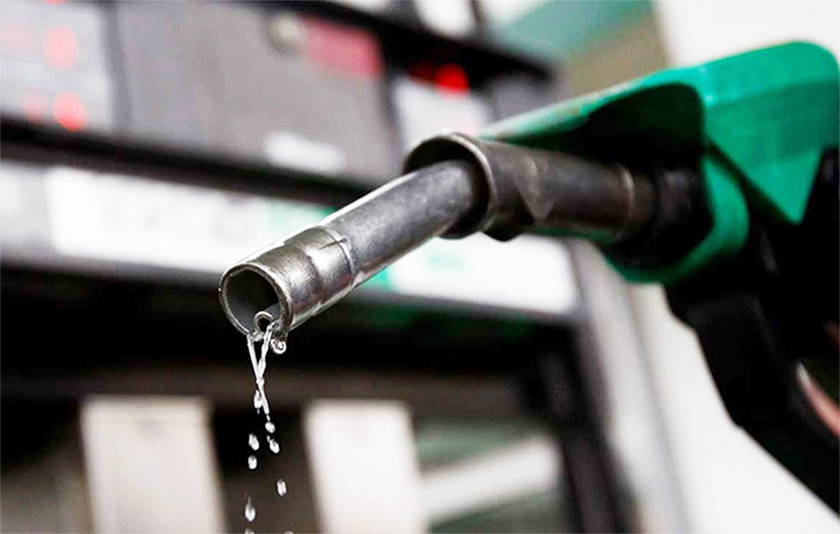
Fuel Subsidy Removal Sparks Economic Struggles in Nigeria
Atiku Abubakar Warns Against Misinterpreting Economic Relief
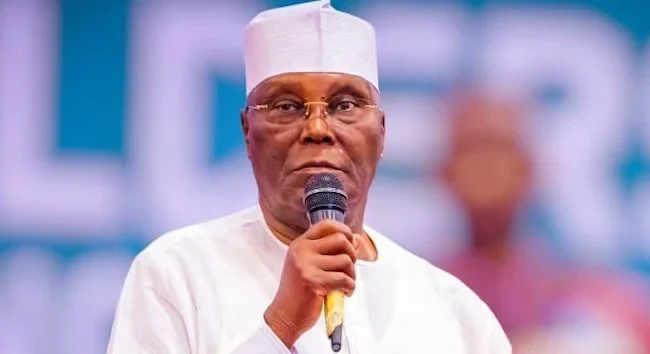
Atiku Abubakar Critiques Tinubu's Economic Policies

Tinubu's Reforms Fail to Enhance Nigerians' Living Standards
Makinde Critiques Tinubu's Economic Reforms in Ogun
Get Plus234Feed on messaging apps
Same headlines, delivered where you already scroll.


