

Fuel Subsidy Removal Sparks Economic Struggles in Nigeria

The removal of the fuel subsidy by President Bola Tinubu on May 29, 2023, has significantly impacted the economic landscape in Nigeria, particularly for commercial drivers like Musa in Kano. Musa faces rising fuel costs that consume a larger portion of his earnings, while passengers resist fare increases due to their own financial struggles.
President Tinubu argues that eliminating the subsidy was necessary to avoid fiscal collapse and promote recovery, citing improved public revenues and investor confidence. In contrast, Atiku Abubakar promises a targeted production subsidy, appealing to citizens suffering from high living costs.
The gap between macroeconomic improvements and the daily experiences of Nigerians remains a critical issue, potentially influencing the 2027 presidential election. The unresolved economic challenges highlight the need for tangible benefits for citizens, such as affordable transport and essential services, to bridge the reform legitimacy gap between political promises and reality.
Plus234Feed summary based on reporting from This Day. Read the original report below.
Read full article
Continue on This Day
Enjoy this article?
Get the weekly Nigerian roundup — top stories, NPFL, naira. One email, Sunday morning.
Related Stories

Tinubu's Fuel Subsidy Removal Worsens Nigerians' Lives
Nigeria's Petrol Subsidy Debate: Atiku's 2027 Pledge
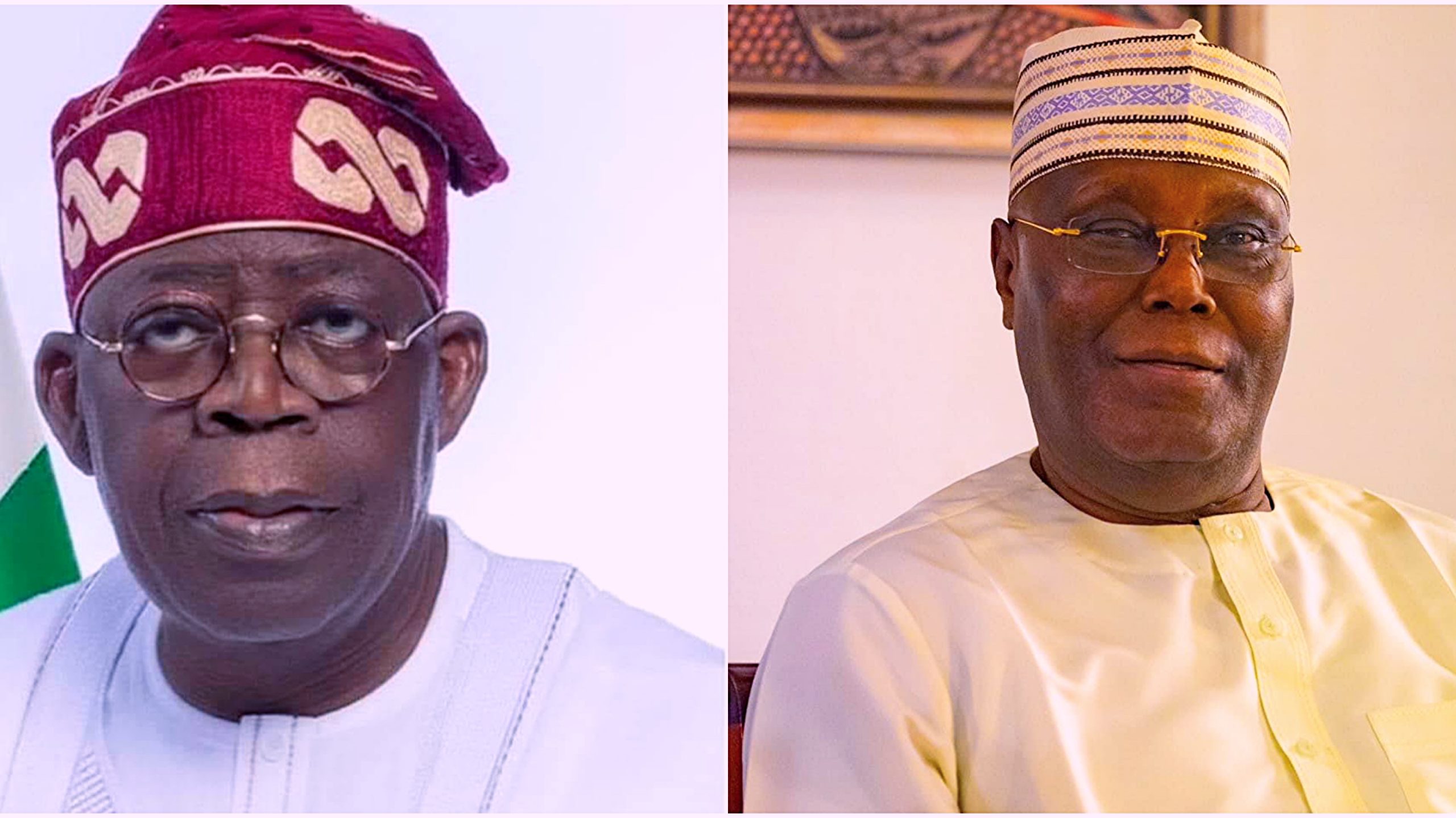
Atiku Abubakar Advocates for Fuel Subsidy Restoration
Atiku Abubakar Challenges Tinubu on Fuel Subsidy Debate

Atiku Abubakar Critiques Tinubu's Economic Policies

Atiku Accuses Tinubu of Favoring Rich in Fuel Subsidy
Get Plus234Feed on messaging apps
Same headlines, delivered where you already scroll.


