

Nigeria's AfCFTA Strategy: Ambition and Economic Goals
Nigeria's engagement with the African Continental Free Trade Area (AfCFTA) reflects its ambition to reshape trade across the continent and reduce non-tariff barriers. The AfCFTA agreement was signed on March 21, 2018, in Kigali, Rwanda, and commenced commercial trade in January 2021.
Nigeria signed the agreement in July 2019 and ratified it in November 2020. The National Action Committee on AfCFTA (NAC), established by former President Muhammadu Buhari, is chaired by Dr. Jumoke Oduwole, the Minister of Industry, Trade, and Investment.
The strategy aims to eliminate tariffs on 90% of goods, liberalize services, and deepen economic cooperation among African nations. Nigeria, with a population of 220 million, seeks to become a trade hub in West Africa and aims to capture at least 10% of Africa's global imports by 2035.
The strategy aligns with national development objectives and leverages Nigeria's comparative advantages, including its vast resources and growing digital economy.
Plus234Feed summary based on reporting from Premium Times. Read the original report below.
Read full article
Continue on Premium Times
Get the week in one email
Top stories, NPFL results, the naira — every Friday morning. Free, one email a week.
Related Stories
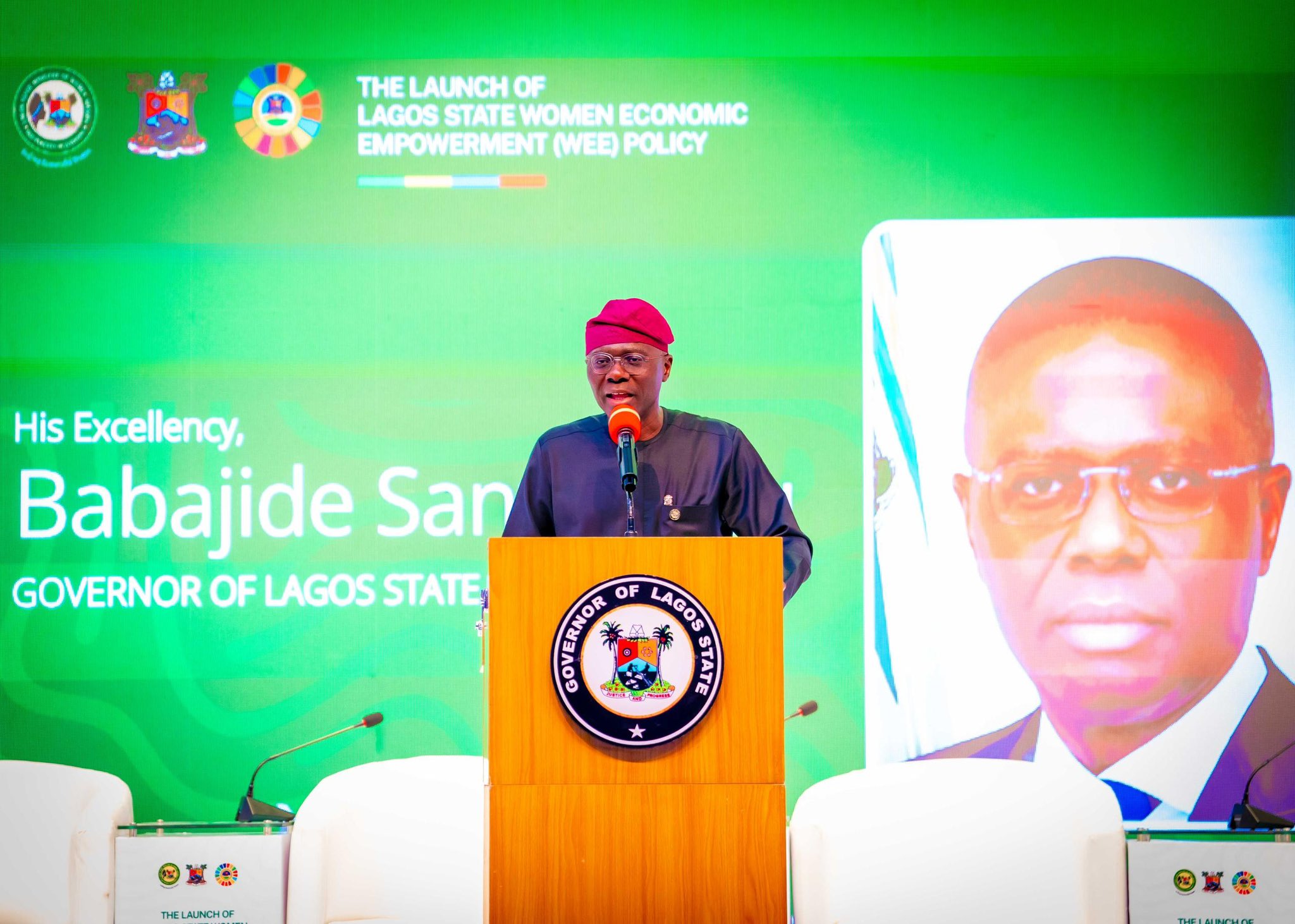
AfCFTA Targets $250 Billion Trade by 2026 in Lagos
Nigeria Urges Faster AfCFTA Implementation for Growth
Nigeria's Intra-African Trade Grows 21% to $9.02bn

Nigeria Advocates for $180bn Digital Trade Growth
Nigeria Launches Air Cargo Corridor, Cuts Export Costs

Adeniyi Advocates Interoperable Customs for AfCFTA Success
Get Plus234Feed on messaging apps
Same headlines, delivered where you already scroll.


