

Nigeria's Budgeting System Faces Urgent Reform Needs

Nigeria's budgeting system has been criticized for its inefficiency in delivering development and public services. Ministries, Departments, and Agencies (MDAs) are struggling with the release of budgeted funds, leading to the simultaneous implementation of the 2024, 2025, and 2026 budgets.
This situation creates confusion, delays project execution, and erodes public confidence in government planning. Numerous projects remain unexecuted due to funding constraints, affecting critical infrastructure like roads, schools, and hospitals.
Allegations of budget padding and the inclusion of unrelated projects in the national budget have emerged, undermining the credibility of the budgeting process. Reports indicate that some agencies receive funds for projects outside their statutory mandates, wasting public resources.
The budgeting process has become bloated, necessitating a leaner approach that focuses on essential items. A recent statement from a principal member of the House of Representatives mentioned about one billion naira inserted into the budget for youth engagement and community outreach, raising further concerns about political motivations behind budget allocations.
Plus234Feed summary based on reporting from This Day. Read the original report below.
Read full article
Continue on This Day
Get the week in one email
Top stories, NPFL results, the naira — every Friday morning. Free, one email a week.
Related Stories
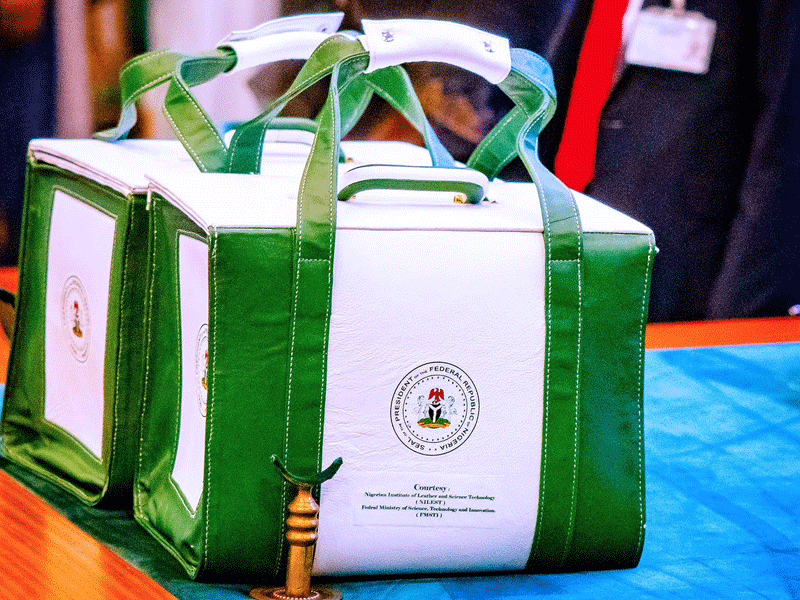
Nigeria's 2026 Budget Faces Scrutiny Over Allegations

Nigeria's 2026 Budget Implementation Faces Serious Challenges
Nigeria's 2026 Budget Exposed for Corruption and Frivolities

US Report Critiques Nigeria's Fiscal Transparency Efforts
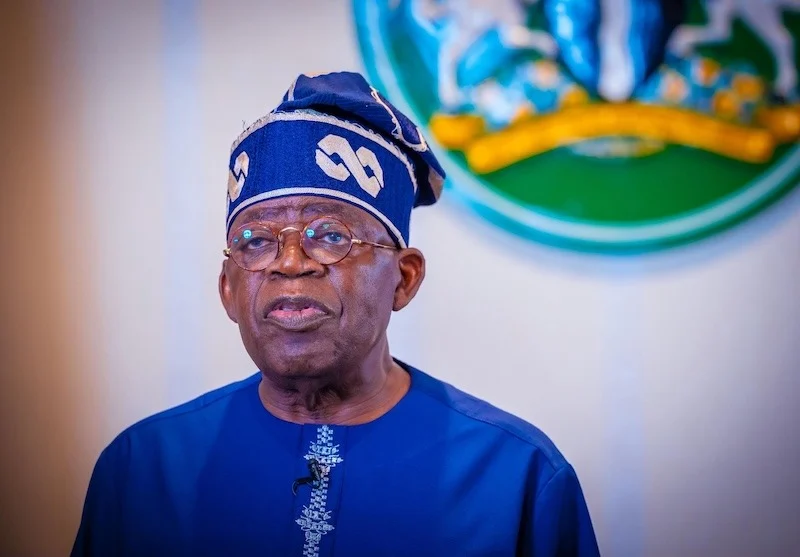
Nigeria's 2026 Fiscal Deficit Exceeds Legal Limit
Nigeria's Fiscal Risks Rise Ahead of 2027 Elections
Get Plus234Feed on messaging apps
Same headlines, delivered where you already scroll.


