

Nigeria's Revenue Crisis Fuels Debt Challenges Ahead

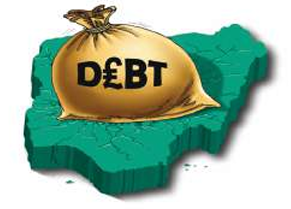
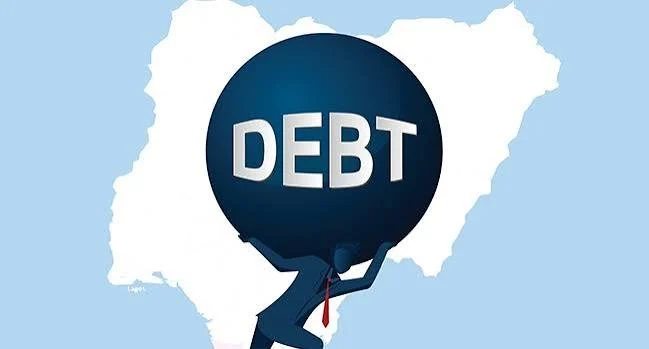
Nigeria's economic challenges stem from a weak revenue base rather than the debt itself, with general government revenue at 9-11% of GDP over the past decade. Public debt is expected to sharply rise to 159 trillion Naira by the end of 2025, with debt servicing costs projected at 11.6 billion dollars in 2026, consuming almost half of the projected revenue.
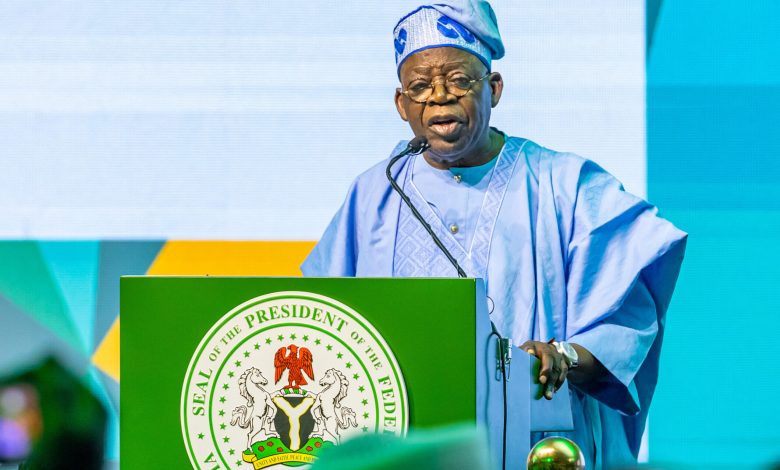
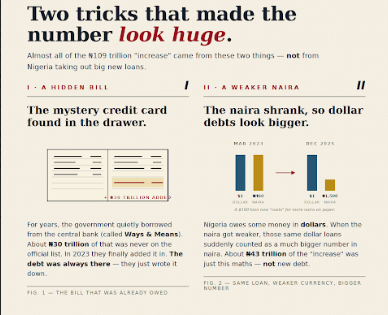
President Bola Tinubu addressed these issues at the Africa Forward Summit in Nairobi, Kenya, emphasizing that the funds allocated for debt servicing will not contribute to essential services like education and healthcare. The reliance on central bank financing has led to inflation and a weakened Naira, further straining the economy.
Despite some progress in debt management, Nigeria's budget deficit is projected at 13.08 trillion Naira for 2025. The country must implement reforms to enhance revenue generation and reduce reliance on borrowing to avoid a fiscal crisis.
Plus234Feed summary based on reporting from This Day. Read the original report below.
Read full article
Continue on This Day
Enjoy this article?
Get the weekly Nigerian roundup — top stories, NPFL, naira. One email, Sunday morning.
Related Stories
IMF Warns Nigeria on Rising Public Debt Concerns
Nigeria's Debt Surges Under Tinubu's Administration
Nigeria's Debt Crisis: New $1.25 Billion Loan Request
Nigeria's Debt Hits ₦49.8 Trillion Amid Naira Devaluation
Nigeria's Fiscal Risks Rise Ahead of 2027 Elections
Nigeria's Public Debt Reaches N159.35 Trillion in March
Get Plus234Feed on messaging apps
Same headlines, delivered where you already scroll.


