

Nigeria's Allocation Dependence Hinders National Development

At a national conference organized by the Department of Religious and Cultural Studies at Kaduna State University, Prof. Toba Alabi from the Nigerian Defence Academy criticized Nigeria's dependence on monthly federal allocations, stating it undermines productivity and national development. He highlighted that the reliance of 774 local governments and 36 states on allocations from Abuja weakens their incentive to develop local economies.
Alabi urged states to focus on enhancing their productive sectors and diversifying revenue sources, asserting that no state should depend solely on one income source. He pointed out that Nigeria's challenges, including economic dependence, unemployment, insecurity, poor infrastructure, and over-reliance on crude oil, are interconnected.
Alabi also called for a return to agriculture and support for local production to revive domestic industries and create jobs. He raised concerns about the 15 million Nigerian children currently out of school, linking this issue to human capital development.
Prof. Abdullahi Ibrahim Musa, Vice-Chancellor of KASU, defended the Nigerian educational system's competitiveness globally.
Plus234Feed summary based on reporting from Blueprint. Read the original report below.
Read full article
Continue on Blueprint
Enjoy this article?
Get the weekly Nigerian roundup — top stories, NPFL, naira. One email, Sunday morning.
Related Stories

Nigeria's Development Hindered by Wealth-Driven Politics

Oyedele Urges States to Boost IGR at Finance Retreat
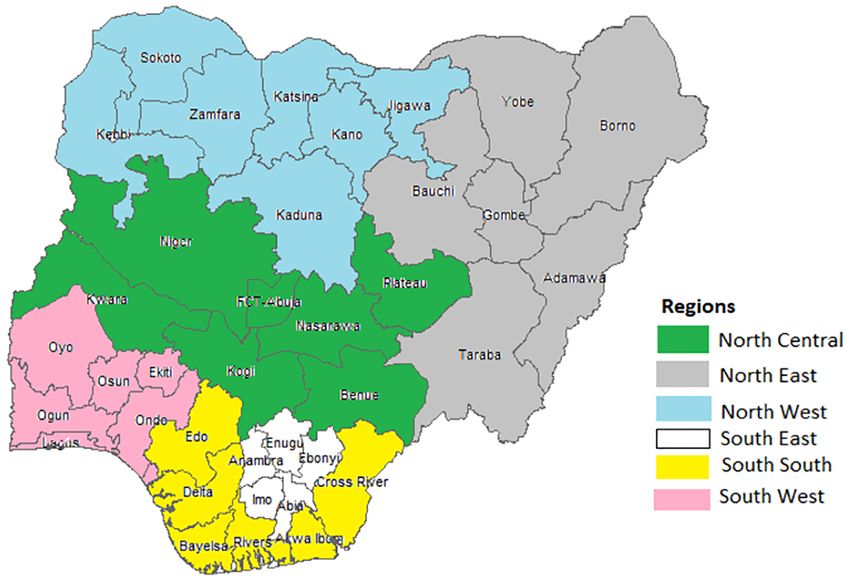
Nigeria's FAAC Allocations Surge: A Call for Development

AfDB Warns Nigeria on Revenue and Infrastructure Needs
Nigeria's Fiscal Federalism and Development Incentives
Senate Calls N2.9bn NCDC Allocation Inadequate for 2026
Get Plus234Feed on messaging apps
Same headlines, delivered where you already scroll.


