

Nigeria's Economic Vulnerability Amid Global Tensions

Nigeria's deep integration into the global economy, estimated at 60%, heightens its vulnerability to geopolitical tensions, according to Bismarck Rewan, Managing Director of Financial Derivative Company Ltd. He noted that while this integration offers advantages, particularly in the agricultural sector, it also increases exposure to external shocks, such as disruptions in the Strait of Hormuz.
At the Agrofood Plastprintpack Nigeria exhibition in Lagos, stakeholders discussed partnerships to enhance agricultural development despite current pressures. Rewan projected a positive outlook beyond the US-Iran crisis, urging structural reforms to maximize local agricultural strengths.
He highlighted that Nigeria's agricultural base must insulate itself from external shocks, with policies aligning with long-term food security goals. Franci Meshioy warned of escalating global hunger, particularly in Africa, where Nigeria's reliance on small-scale subsistence farming is insufficient for achieving world-class food security.
The country faces a significant food trade deficit, with imports estimated at $5.5 billion against exports of $2.3 billion, necessitating collaboration with Dutch experts to improve cold chain logistics and reduce waste.
Plus234Feed summary based on reporting from This Day. Read the original report below.
Read full article
Continue on This Day
Get the week in one email
Top stories, NPFL results, the naira — every Friday morning. Free, one email a week.
Related Stories
Nigeria's Economic Growth Projected at 1.5% by IMF for 2026

Nigerian Economy Faces Challenges Amid Global Instability
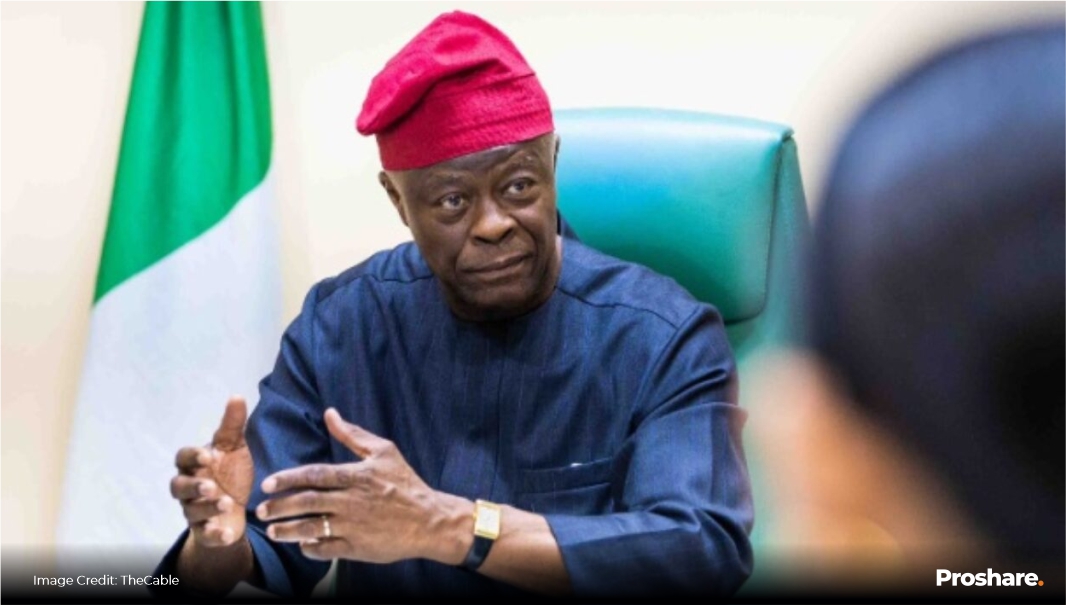
Nigeria's Economy: Resilience and Focus on Growth
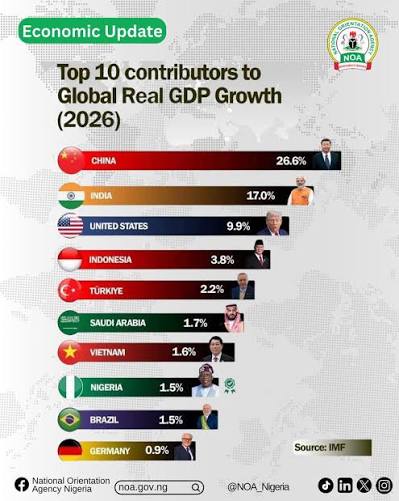
Nigeria to Rank Sixth in Global GDP Growth by 2026
Nigeria's Economic Model Needs Urgent Reorganization
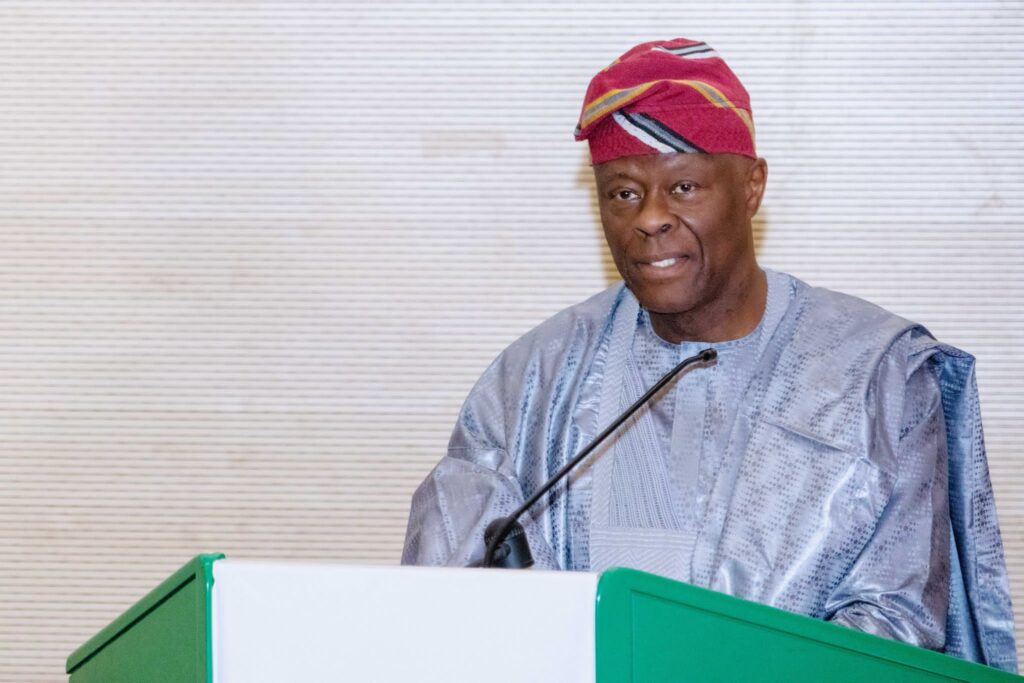
Nigeria's Stability Amid Global Economic Challenges
Get Plus234Feed on messaging apps
Same headlines, delivered where you already scroll.


