

Nigeria's Economy: Resilience and Focus on Growth

During the IMF World Bank Spring Meeting, Nigeria's Minister of Finance, Wale Edun, highlighted the country's resilience to global economic shocks and its commitment to inclusive growth through ongoing reforms. He stated that Nigeria's reform program is designed to enhance macroeconomic stability and improve investor confidence, with a focus on sustainable growth.
The government aims to maintain a debt-to-GDP ratio below 40% while targeting a medium-term growth rate of 7%, driven by sectors such as power, agriculture, transport, and digital innovation. Edun noted that recent fiscal policies, including targeted tariff adjustments, aim to alleviate inflationary pressures on households and businesses.
The Nigerian government, under President Bola Ahmed Tinubu, is committed to creating a conducive environment for private sector investment, as evidenced by significant commitments from companies like Dangote and Shell. The overall message from Nigeria at the meeting was one of stability and a clear reform agenda to foster economic growth and job creation.
Plus234Feed summary based on reporting from This Day. Read the original report below.
Read full article
Continue on This Day
Get the week in one email
Top stories, NPFL results, the naira — every Friday morning. Free, one email a week.
Related Stories
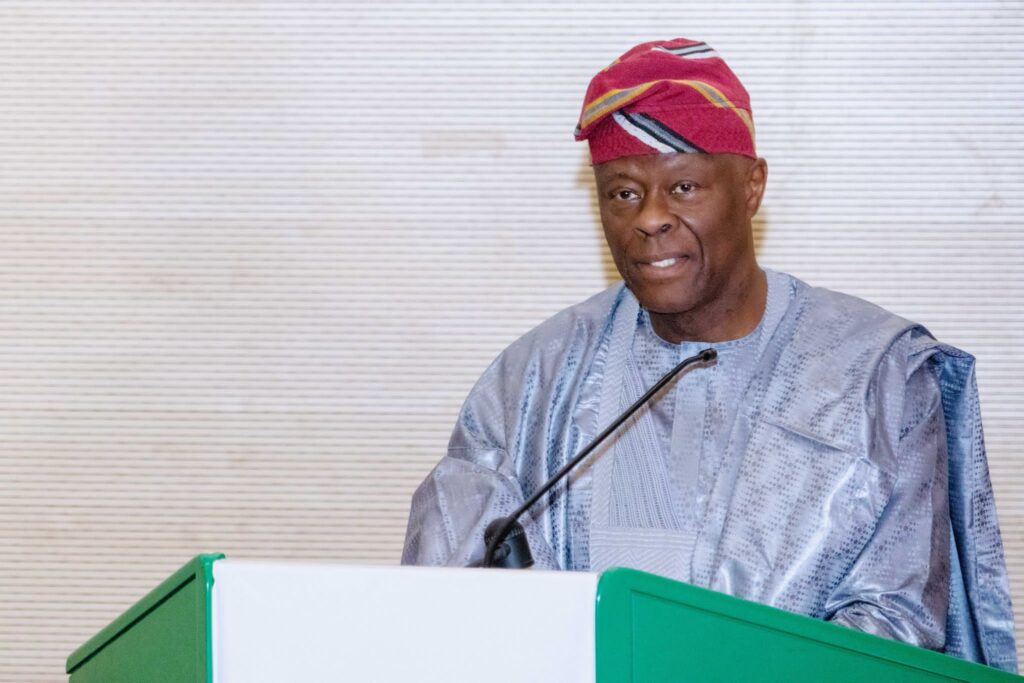
Nigeria's Stability Amid Global Economic Challenges

Nigeria's Economic Outlook for 2026: Growth and Stability
World Bank Reports Nigeria's Economic Stability Progress
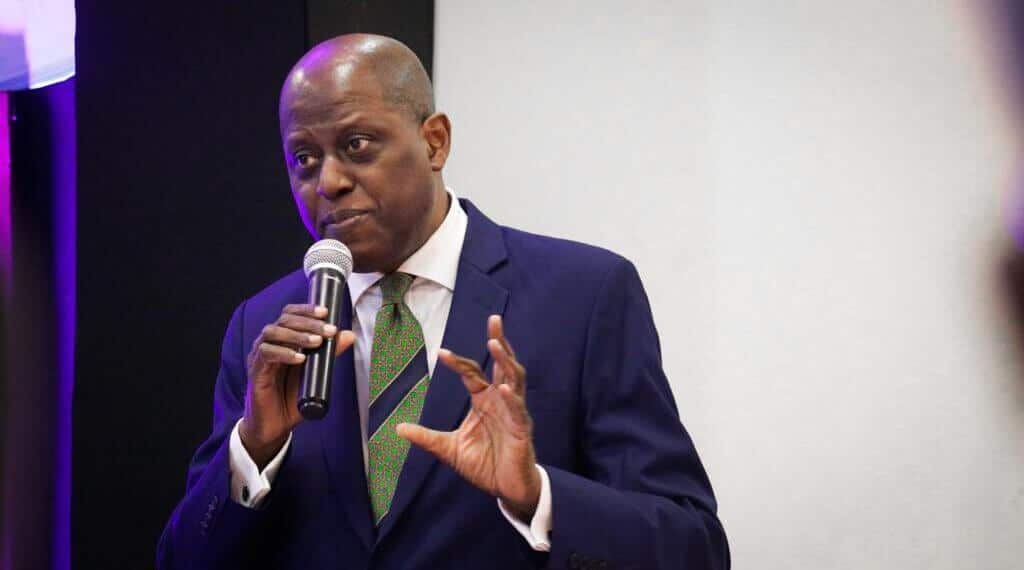
Nigeria's Economy Strengthened to Withstand Global Shocks
World Bank Reports Nigeria's Economic Growth and Challenges
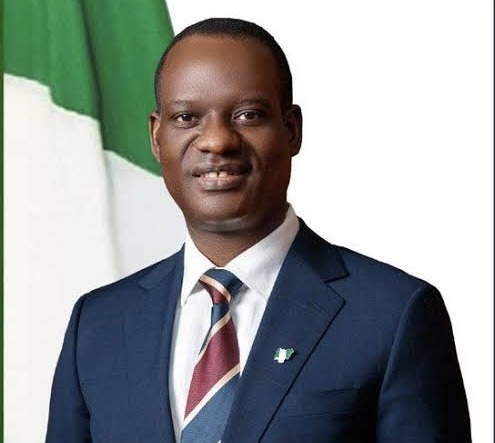
Nigeria's Reforms Position It as Africa's Economic Model
Get Plus234Feed on messaging apps
Same headlines, delivered where you already scroll.


