
Nigeria's Transport System Fails Persons with Disabilities

In Nigeria, the transport system inadequately serves millions of people with disabilities, as illustrated by Adebolu Adejobi, who experienced rejection from bus drivers due to his cerebral palsy. He waited two hours at a bus stop, only to be denied entry multiple times, forcing him to resort to an expensive taxi ride.
The Joint National Association of Persons with Disabilities (JONAPWD) estimates that 35 million Nigerians live with disabilities, yet public transport services remain largely inaccessible. Vincent Okoh, an educator and disability rights advocate, faces communication barriers when traveling, often being dropped at incorrect locations due to a lack of signage and understanding from drivers.
Uzoamaka Stella, a wheelchair user in Anambra State, encounters challenges at bus stops and terminals that are not designed for mobility disabilities. The overall infrastructure, including poor signage, lack of wheelchair locks, and inaccessible bus stops, exacerbates the difficulties faced by persons with disabilities, compelling them to rely on more costly private transport options.
Plus234Feed summary based on reporting from BusinessDay. Read the original report below.
Read full article
Continue on BusinessDay
Get the week in one email
Top stories, NPFL results, the naira, every Friday morning. Free, one email a week.
Related Stories
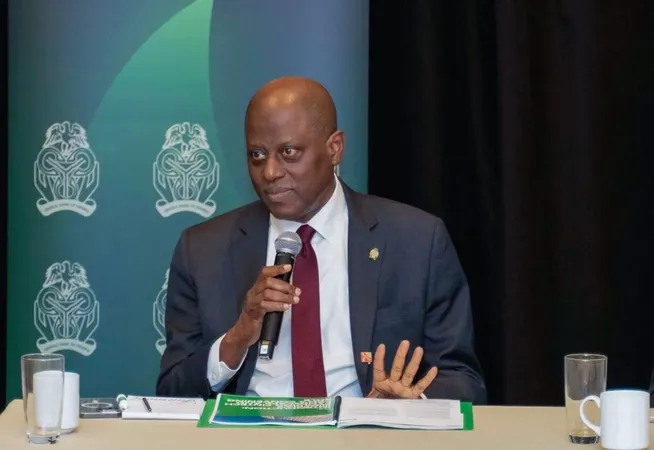
CBN Targets 40 Million Disabled Nigerians for Fintech Solutions
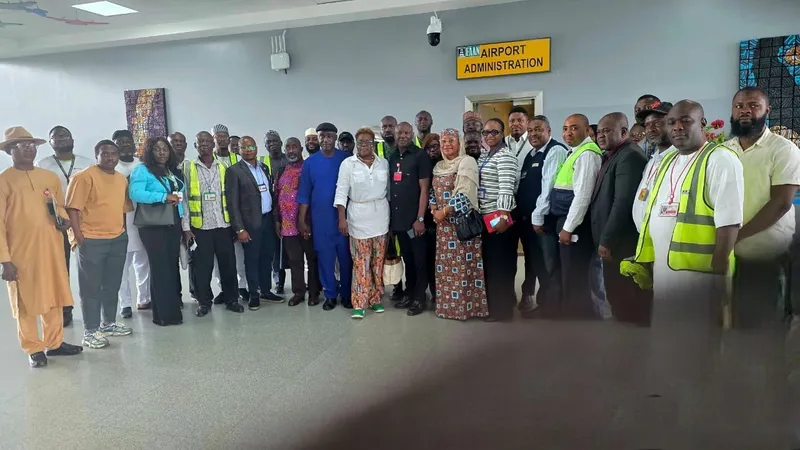
FAAN and Stakeholders Address Aviation Accessibility Issues

NCC Advocates for Digital Inclusion of Persons with Disabilities

FG Advocates Multi-Modal Transport Integration in Nigeria

Nigerian Railway Corporation Advocates Transport Integration

Digital Tools Revolutionize Nigerian Transport Choices
Get Plus234Feed on messaging apps
Same headlines, delivered where you already scroll.