

Women's Leadership in Law and Politics: A Historical Overview
The article outlines the historical context of women's roles in law and politics, particularly focusing on the 1970s in South Asia. It mentions Yahya Khan, who was the Commander-In-Chief of Pakistan's army and later its president, and Indira Gandhi, who became Prime Minister of India on 24 January 1966.
The narrative details the political landscape following the 1970 elections in Pakistan, where the Awami League, led by Sheikh Mujibur Rahman, won a majority but was denied power by Yahya Khan, who instead imposed Martial Law. This led to military actions against the Awami League and the rise of tensions with India.
Indira Gandhi's response to the situation is noted, including her determination to act against Pakistan's military aggression, culminating in her statement on 25 November 1971, asserting her readiness for conflict. The article reflects on the broader implications of women's leadership in traditionally male-dominated fields.
Plus234Feed summary based on reporting from Premium Times. Read the original report below.
Read full article
Continue on Premium Times
Get the week in one email
Top stories, NPFL results, the naira — every Friday morning. Free, one email a week.
Related Stories
Nigeria Aims for Gender Parity in Politics by 2035
Women Lead Nigeria's Top Legal Institutions in Historic Shift
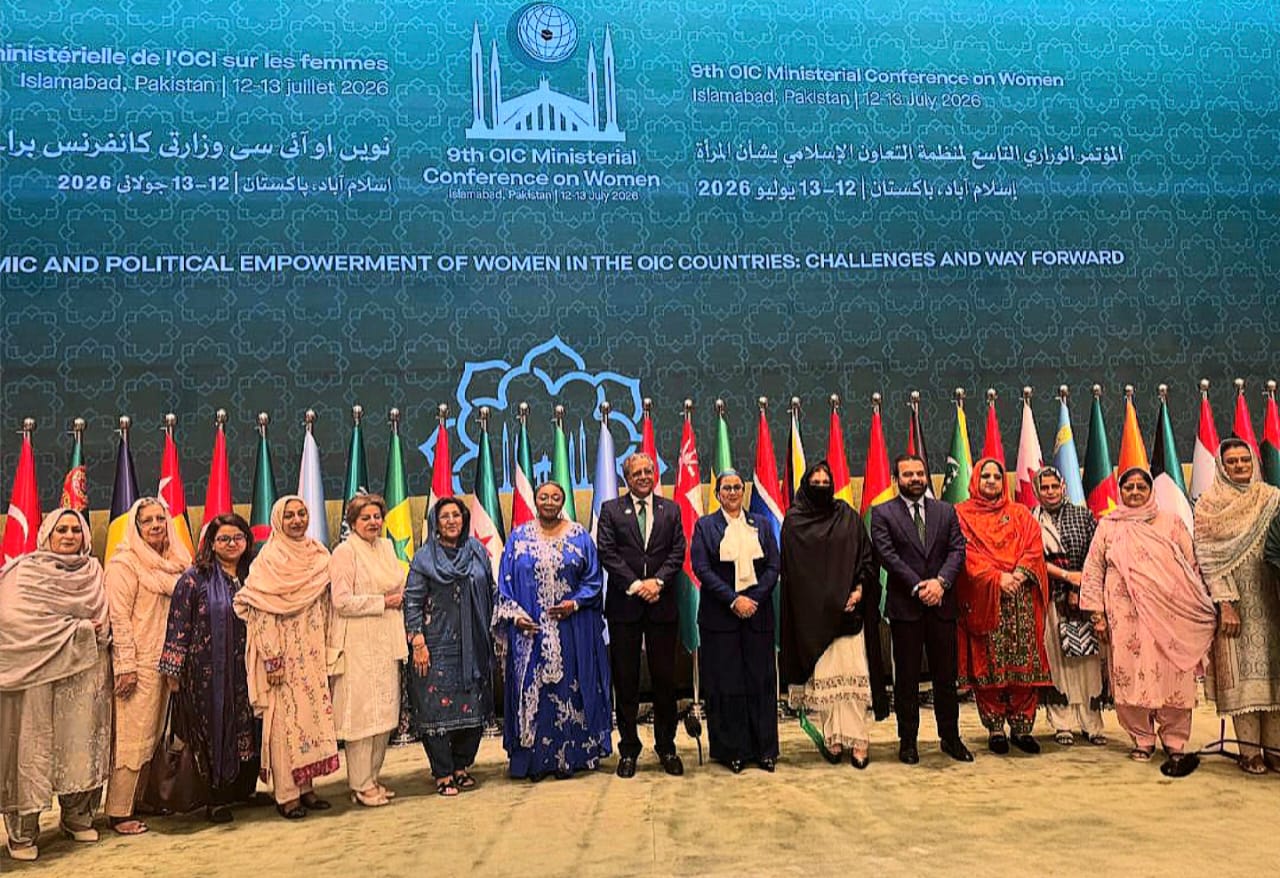
Nigeria Strengthens Global Partnerships for Women's Empowerment

INEC Urges Political Parties to Boost Women's Participation

IPC and EJS Center Promote Women's Leadership Coverage

Critique of Nigeria's Legal System and Judicial Reform
Get Plus234Feed on messaging apps
Same headlines, delivered where you already scroll.


