

NNPC Reveals Reasons for Shutting Down Refineries; Dangote Plans Expansion

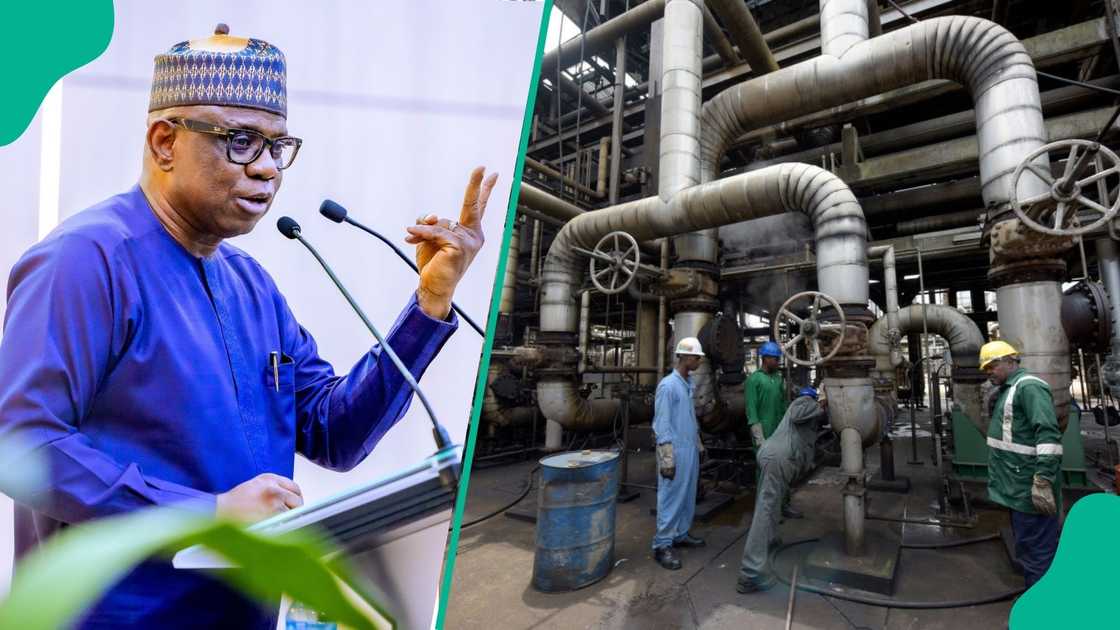
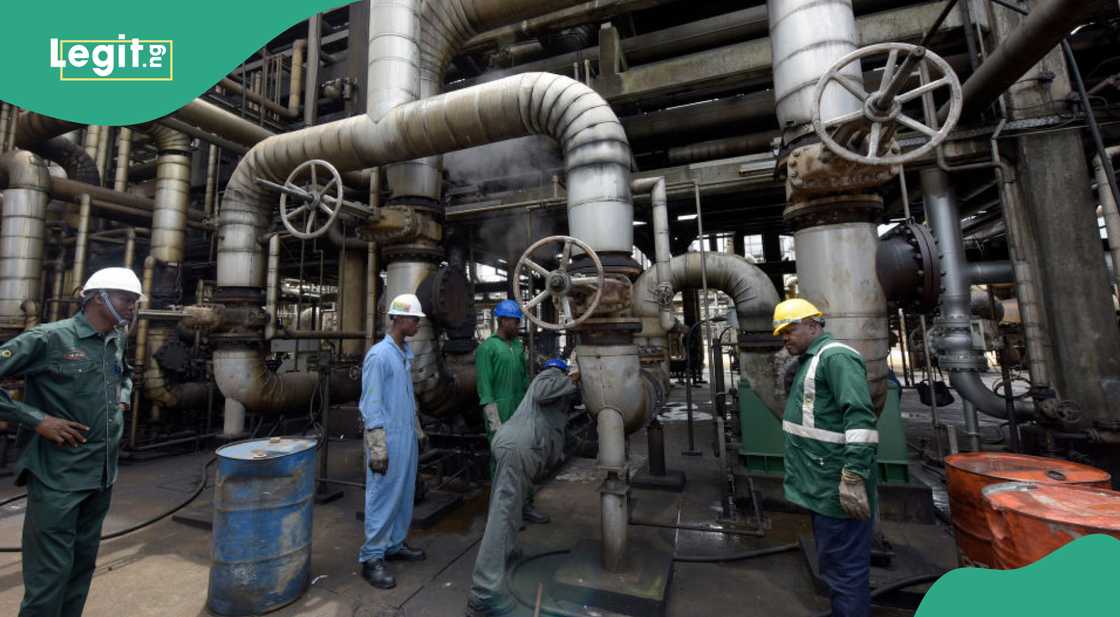
The Nigerian National Petroleum Corporation (NNPC) has disclosed reasons for the shutdown of Nigeria's four government-owned refineries, citing commercial losses, low utilization rates, and increasing operational costs. The combined installed capacity of the refineries in Warri and Kaduna is 445,000 barrels per day (bpd), with the Warri refinery designed for 125,000 bpd and the Kaduna refinery for 110,000 bpd.
NNPC's Group Chief Executive Officer, Bayo Ojulari, explained that the refineries are no longer commercially viable under current conditions, operating at only 50-55% capacity, leading to significant financial losses. The decision to halt operations aims to prevent further losses and reassess future options for the refineries.
Additionally, Dangote Refinery plans to expand its capacity from 650,000 bpd to 1.4 million bpd to meet Africa's increasing fuel demand, reduce import dependence, and create 65,000 jobs.
Plus234Feed summary based on reporting from Legit.ng. Read the original report below.
Read full article
Continue on Legit.ng
Get the week in one email
Top stories, NPFL results, the naira — every Friday morning. Free, one email a week.
Related Stories

NNPC's Ojulari Explains Refinery Revamp and Post-PIA Transformation
NNPC CEO Reveals Reasons for Continued Operation of State Refineries Despite Losses
NNPC in Talks With Chinese Firm to Revive Nigerian Refineries

NNPC Chief Reveals Unsustainability of Nigerian Refineries, Decides to Halt Operations

NNPC's Bayo Ojulari: Refinery Shutdown Part of Long-Term Energy Strategy, Not Cost-Cutting

Port Harcourt Refinery Continues Diesel Supply Despite Shutdown, Transparency Concerns Arise
Get Plus234Feed on messaging apps
Same headlines, delivered where you already scroll.


