

Deisseroth, Hegemann, and Nagel Win Nobel for Optogenetics

The 2026 Nobel Prize in Physiology or Medicine has been awarded to American scientist Karl Deisseroth and German researchers Peter Hegemann and Georg Nagel for their groundbreaking discoveries in light-gated ion channels and optogenetics. The Nobel Assembly at the Karolinska Institutet announced the laureates, recognizing their contributions to a method that enables the control and study of nerve cells using light.
Their work has laid the foundation for a new era in neuroscience, allowing researchers to explore neural circuits linked to specific memories, feelings, and behaviors associated with neurological and psychiatric disorders. Hegemann and Nagel discovered channelrhodopsin, a light-sensitive protein, while Deisseroth later developed it into a light-controlled switch for nerve cells, establishing optogenetics.
This technique has transformed the understanding of brain functions and the implications of disrupted neural circuits in conditions like blindness, depression, addiction, and dementia. The Nobel Committee emphasized the profound impact of optogenetics on both healthy brain research and the understanding of various neurological conditions.
Plus234Feed summary based on reporting from Leadership Newspaper. Read the original report below.
Read full article
Continue on Leadership Newspaper
Get the week in one email
Top stories, NPFL results, the naira — every Friday morning. Free, one email a week.
Related Stories
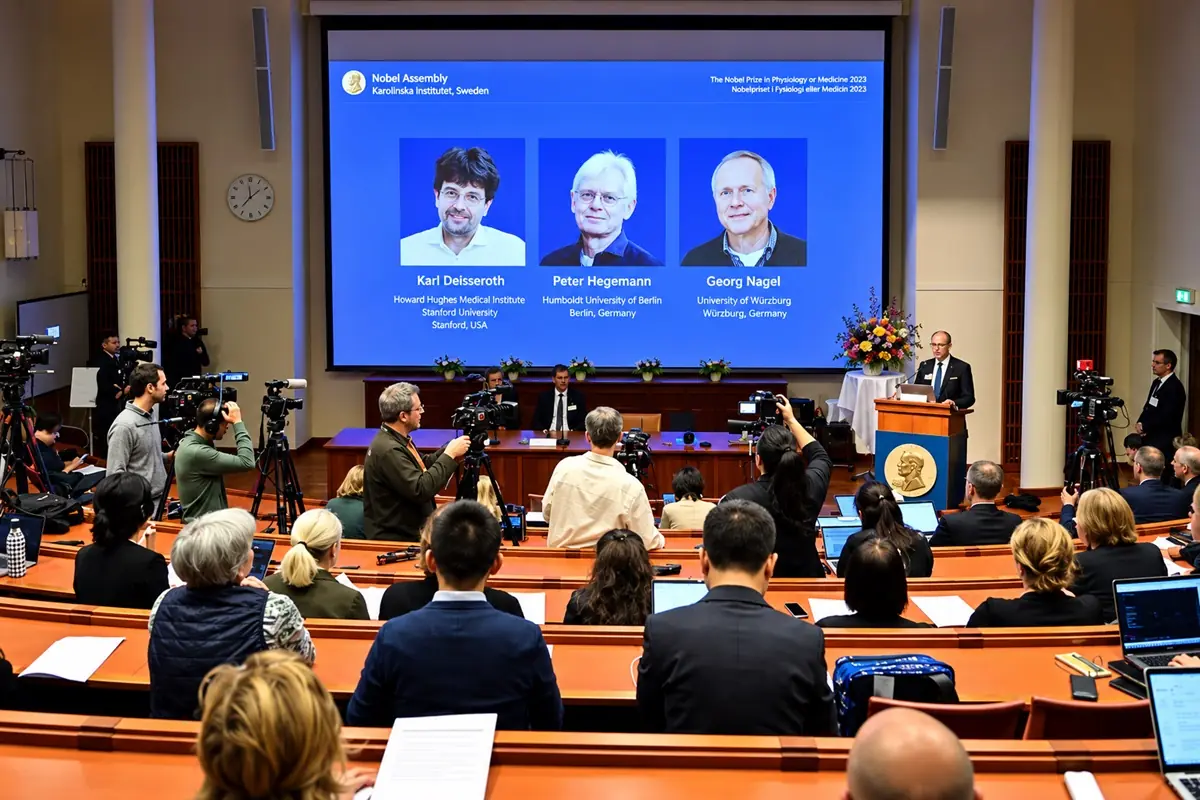
Scientists Deisseroth, Hegemann, and Nagel Win Nobel Prize
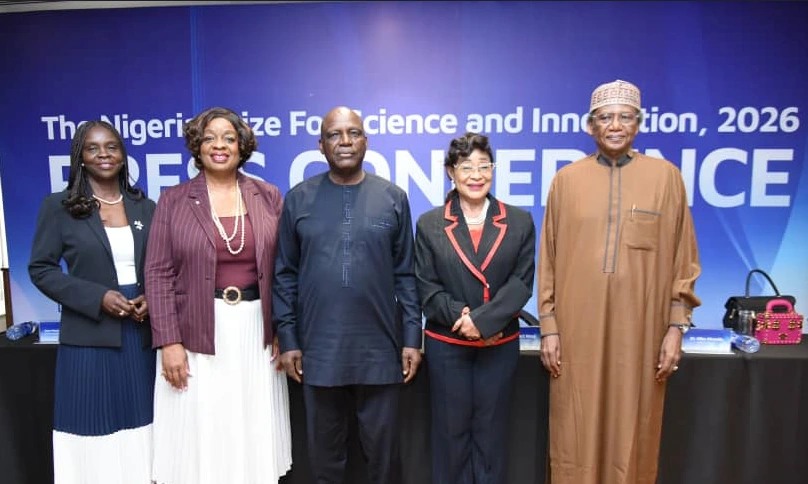
Nigerian Scientist Wins $100,000 for AI MRI Innovation

Nigeria's Finance Minister Advocates Healthcare Investment

Federal Government Launches 10 MedServe Centres Nationwide
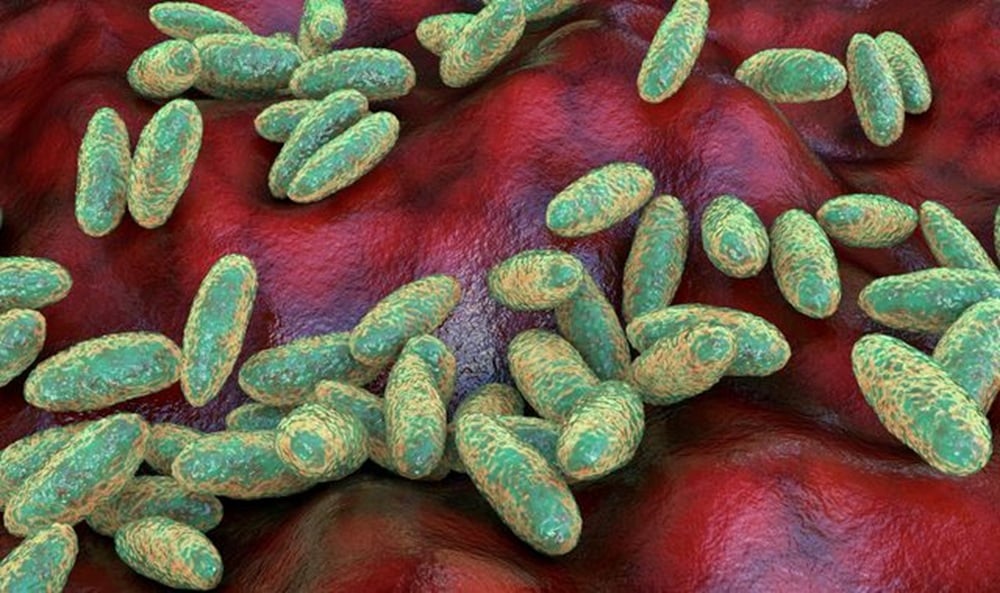
Researcher dies from unknown pneumonia in Russia
UN's Simon Stiell Warns of Extreme Heat Risks to Mothers
Get Plus234Feed on messaging apps
Same headlines, delivered where you already scroll.


