

Nigeria Aims for 30% Sodium Reduction in Five Years

The Federal Government of Nigeria has announced a plan to reduce sodium consumption by 30% over the next five years as part of efforts to address the growing burden of non-communicable diseases (NCDs). Femi Stephen, the lead for food safety at the Federal Ministry of Health and Social Welfare, revealed that the average daily sodium intake in Nigeria currently stands at 3.9 grams, nearly double the World Health Organization's recommended limit of 2 grams.
The newly developed sodium reduction guidelines are part of a broader national food safety quality policy aimed at addressing nutritional risks. The government plans to achieve at least a 15% reduction in high-salt products and will implement multiple interventions, including setting sodium benchmarks for different food categories and promoting product reformulation.
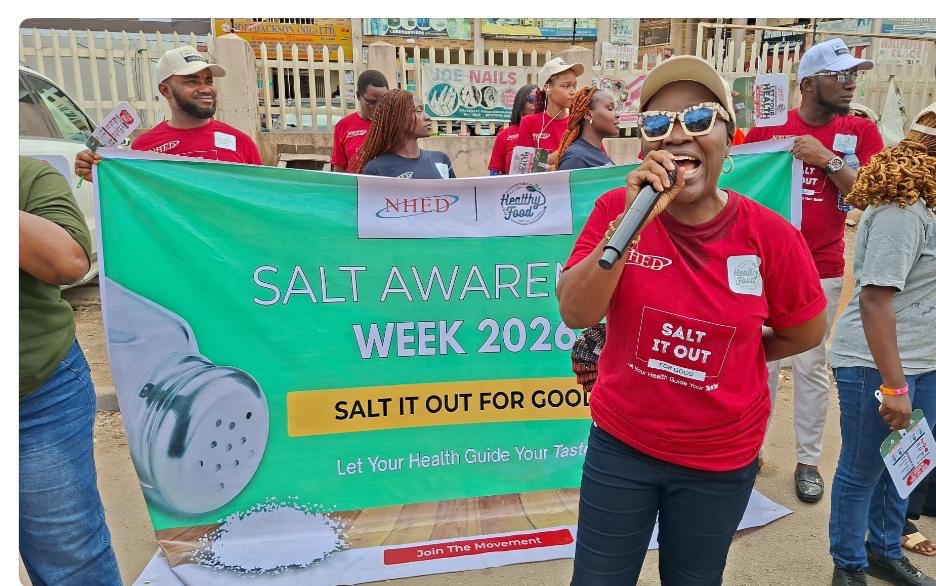
Akinbod Oluwafemi, Executive Director of Corporate Accountability and Public Participation Africa, emphasized the need for stronger sodium reduction policies and public awareness to combat health risks associated with excessive salt consumption, particularly hypertension.
Plus234Feed summary based on reporting from Blueprint. Read the original report below.
Read full article
Continue on Blueprint
Get the week in one email
Top stories, NPFL results, the naira — every Friday morning. Free, one email a week.
Related Stories
NAFDAC Warns Against Excess Sodium Intake in Nigeria
Nigerians Urged to Reduce Dangerous Salt Consumption

NAFDAC Sets Sodium Limits to Combat Hypertension in Nigeria
CSOs Urge Nigerian Government to Tighten Food Regulations

Nigeria Advances Food Safety and Healthier Diet Initiatives

CAPPA Backs NAFDAC's Sodium Reduction Regulations
Get Plus234Feed on messaging apps
Same headlines, delivered where you already scroll.


