

Global Study Reveals Longevity Comes with Poor Health

A study published in The Lancet Public Health indicates that although global life expectancy rose from 64.6 years in 1990 to 73.8 years in 2023, healthy life expectancy only increased from 55.9 years to 63.1 years. The average morbidity gap, which measures years lived in poor health before death, has widened from 8.8 years in 1990 to 10.7 years in 2023.
People now spend an average of 14.5% of their lives living with disease or disability, compared to 13.6% three decades ago. This issue affects not just the elderly but spans much of adulthood.
The United States has the largest morbidity gap at 14 years, followed by Australia at 13.9 years and Canada at 13.7 years. The study also reveals a gender divide, with women living an average of 12.1 years in poor health compared to 9.3 years for men.
The findings suggest that longevity is an incomplete measure of progress if accompanied by increasing disability.
Plus234Feed summary based on reporting from Nigerian Tribune. Read the original report below.
Read full article
Continue on Nigerian Tribune
Get the week in one email
Top stories, NPFL results, the naira — every Friday morning. Free, one email a week.
Related Stories

Democrats Outlive Republicans: Health Disparity Revealed
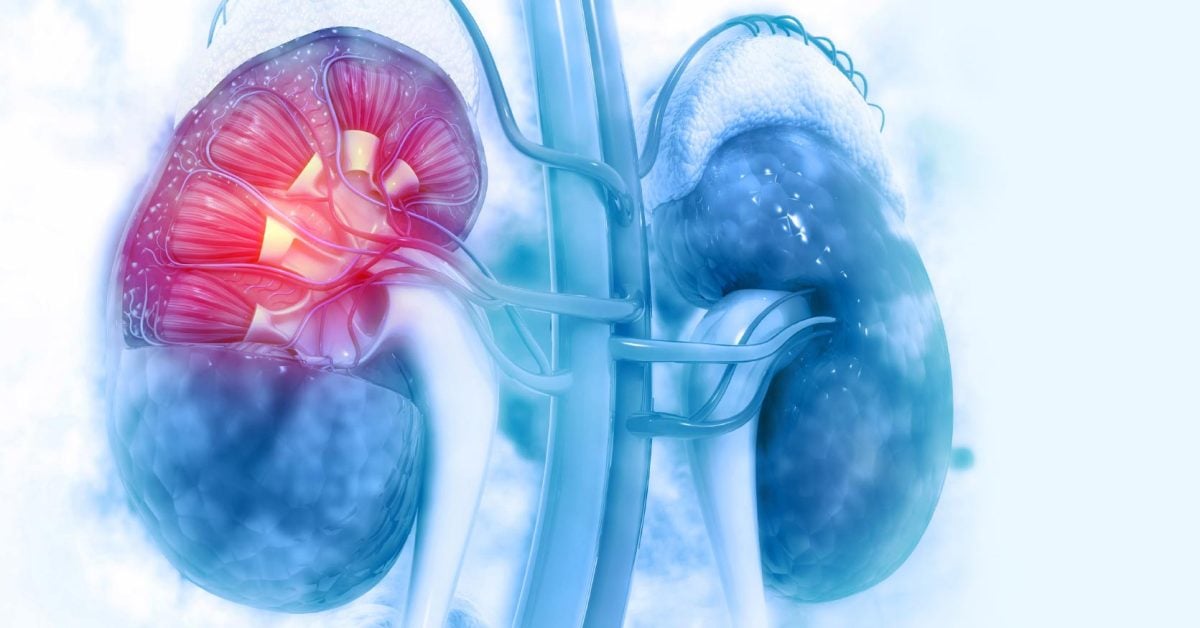
Chronic Kidney Disease Becomes Ninth Leading Cause of Death

Global Cancer Cases Rise to 20.6 Million in 2024

Nigeria Aims for 70% Local Health Product Production by 2030

Bauchi's Family Planning Needs Highlighted in New Survey

Optimus Bank Launches Blood Donation Drive in Lagos
Get Plus234Feed on messaging apps
Same headlines, delivered where you already scroll.


