

Challenges and Lessons from Nigeria's Power Sector Privatization

The article delves into Nigeria's power sector privatization initiated in 2013, emphasizing the need for substantial capital infusion and strategic investments in technology for the newly privatized companies. It criticizes the acquisition model heavily reliant on debt rather than equity, resulting in operational challenges for both distribution and generation companies.
The lack of technical expertise and financial capacity among new owners has led to revenue collection struggles, payment issues, and inefficiencies across the value chain. The sector remains plagued by chronic liquidity crises and technical inefficiencies, perpetuating a cycle of debt and energy losses, as highlighted by the Nigerian Electricity Regulatory Commission (NERC).
Plus234Feed summary based on reporting from This Day. Read the original report below.
Read full article
Continue on This Day
Get the week in one email
Top stories, NPFL results, the naira — every Friday morning. Free, one email a week.
Related Stories

Analysis of Electricity Tariff Governance in Nigeria's Power Sector

Nigeria's Power Sector Sees $2bn Investments Amid Reforms
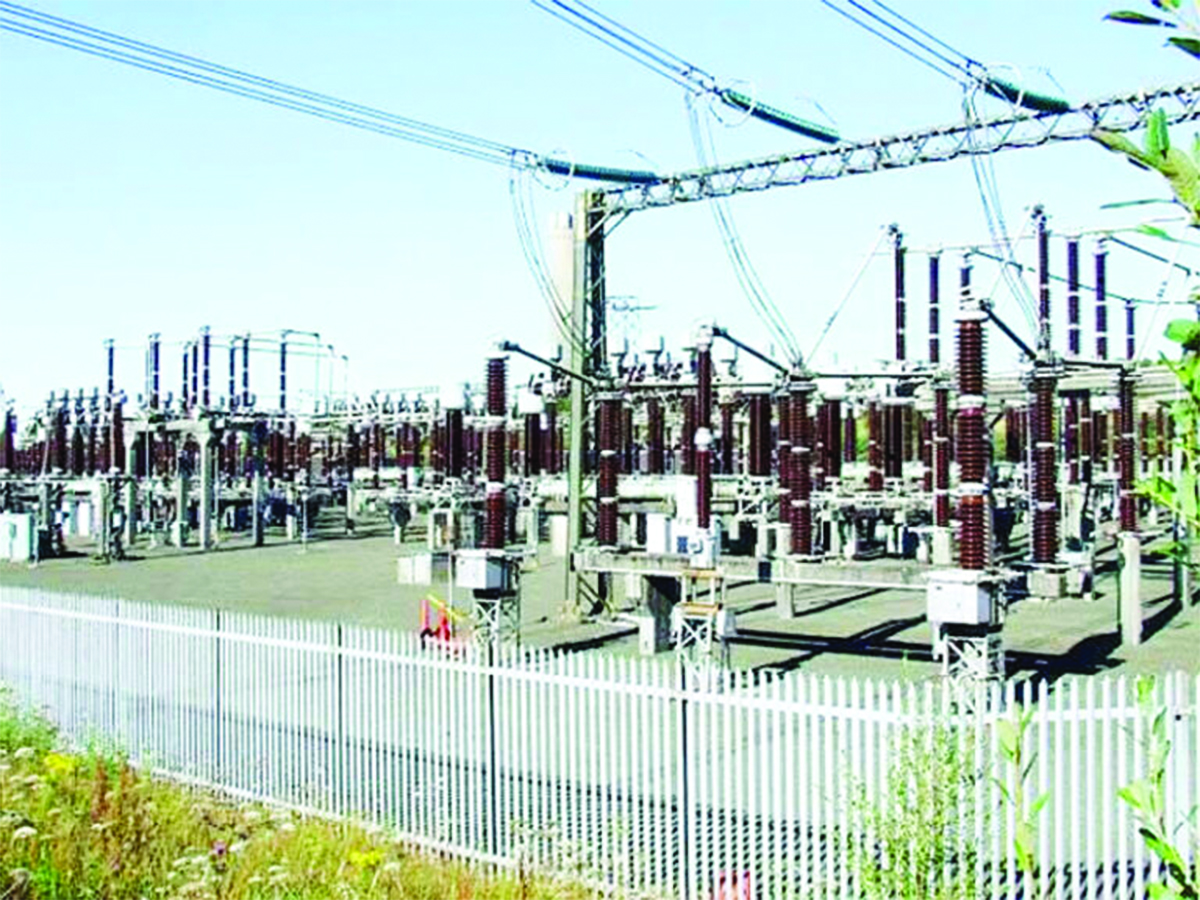
Nigerian States Push for Decentralized Electricity Market to Improve Power Supply

Experts Discuss Benefits of Decentralizing Electricity Regulation in Nigeria at LCCI Power Conference
Power Minister Threatens License Revocation for Underperforming DisCos in Nigeria

Central Bank of Nigeria Raises Monetary Policy Rate to 23%
Get Plus234Feed on messaging apps
Same headlines, delivered where you already scroll.


