
President Tinubu's Governance and the Role of Opposition
The article critiques President Tinubu's governance, highlighting the negative consequences of poor political practices on Nigeria's development and governance structures. It discusses the transition to democracy in 1999, where expectations for improved governance were high.
The author emphasizes that democracy requires more than just electoral processes; it should facilitate a democratic ethos and sustainable development policies. The importance of oppositional politics is underscored, as it serves to hold the government accountable and introduce diverse ideas for governance.
The article references Benjamin Disraeli, noting that a government cannot be secure without a strong opposition. This opposition includes a shadow cabinet, civil society, and media, all of which play crucial roles in ensuring government accountability and promoting good governance for the benefit of citizens.
Plus234Feed summary based on reporting from This Day. Read the original report below.
Read full article
Continue on This Day
Get the week in one email
Top stories, NPFL results, the naira, every Friday morning. Free, one email a week.
Related Stories
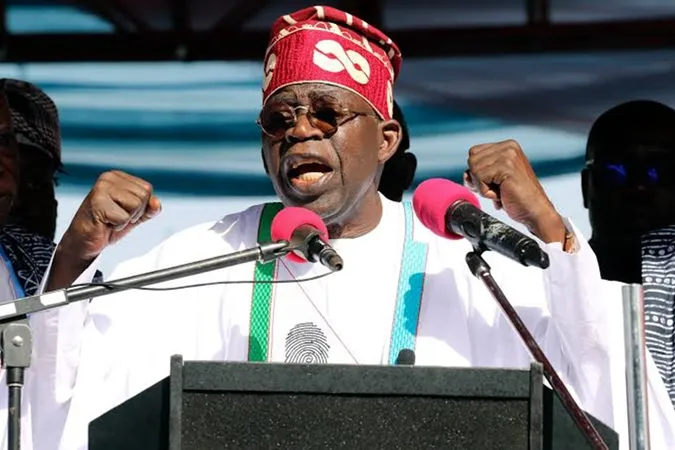
Analyst Warns Opposition Division May Aid Tinubu's 2027 Bid
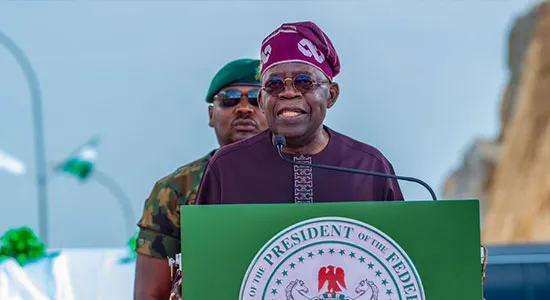
Tinubu Seeks Re-election in 2027 Presidential Race

Tinubu's Reforms Urged for Accountability in Nigeria
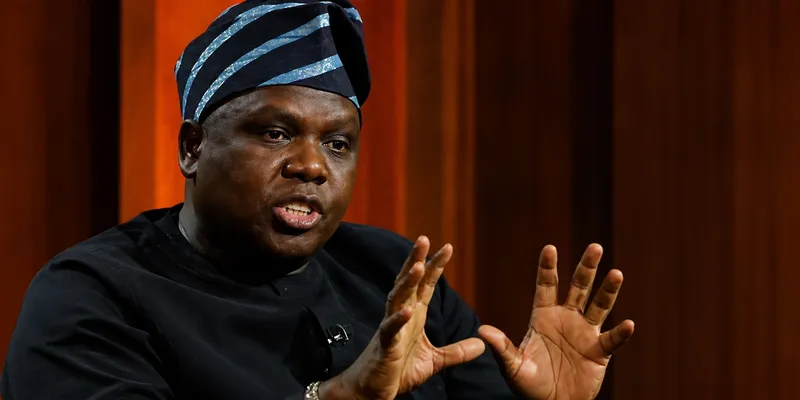
Tinubu Gains Political Edge with Governors' Support Ahead of 2027
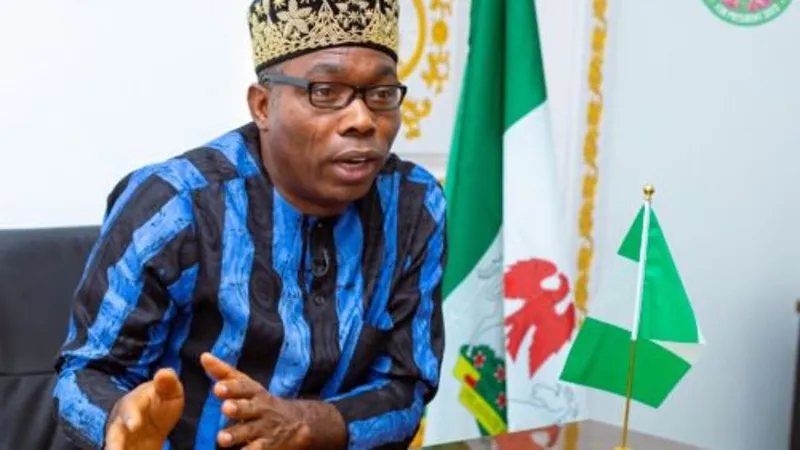
Adebayo Warns Tinubu's Rule Threatens Nigeria's Democracy

Nigeria's Future: Insights from 2006 Scenario Building
Get Plus234Feed on messaging apps
Same headlines, delivered where you already scroll.