

Nigerian Banks Enter New Era with Recapitalization Success
The Central Bank of Nigeria (CBN), under Governor Olayemi Cardoso, has successfully completed a recapitalization program aimed at redefining the future of Nigeria's financial system and raising an estimated ₦4.65 trillion within two years. This initiative is crucial for banks to confront the challenges of maintaining a minimum capital base of ₦500 billion for commercial banks, ₦200 billion for national banks, and ₦50 billion for regional banks.
The recapitalization is the largest capital mobilization effort in Nigeria's financial sector history, allowing lenders to tap into equity markets and retain earnings. Analysts indicate that the post-recapitalization era will test banks' ability to convert their stronger financial positions into measurable economic impacts.
The International Monetary Fund (IMF) has acknowledged the importance of this recapitalization, emphasizing that stronger capital buffers are essential for financial stability during economic stress. The recapitalization is expected to enhance banks' appetite for lending to the real sector, particularly in infrastructure development, which remains a significant area for growth.
Plus234Feed summary based on reporting from Daily Trust. Read the original report below.
Read full article
Continue on Daily Trust
Get the week in one email
Top stories, NPFL results, the naira — every Friday morning. Free, one email a week.
Related Stories
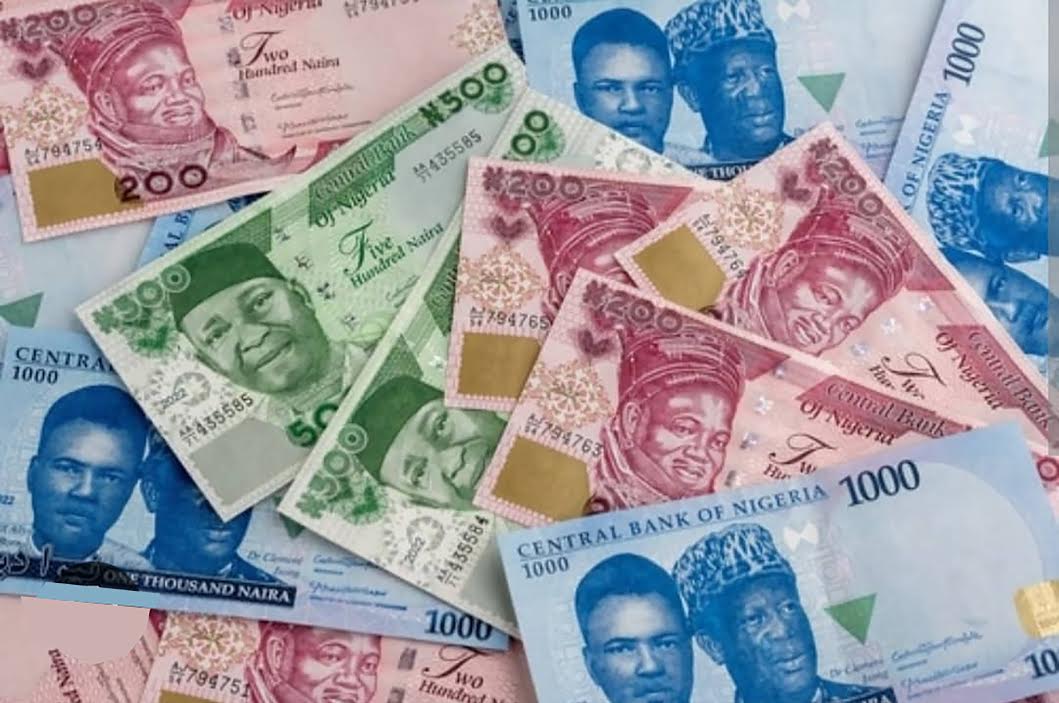
CBN's Recapitalization Program to Boost Lending in Nigeria
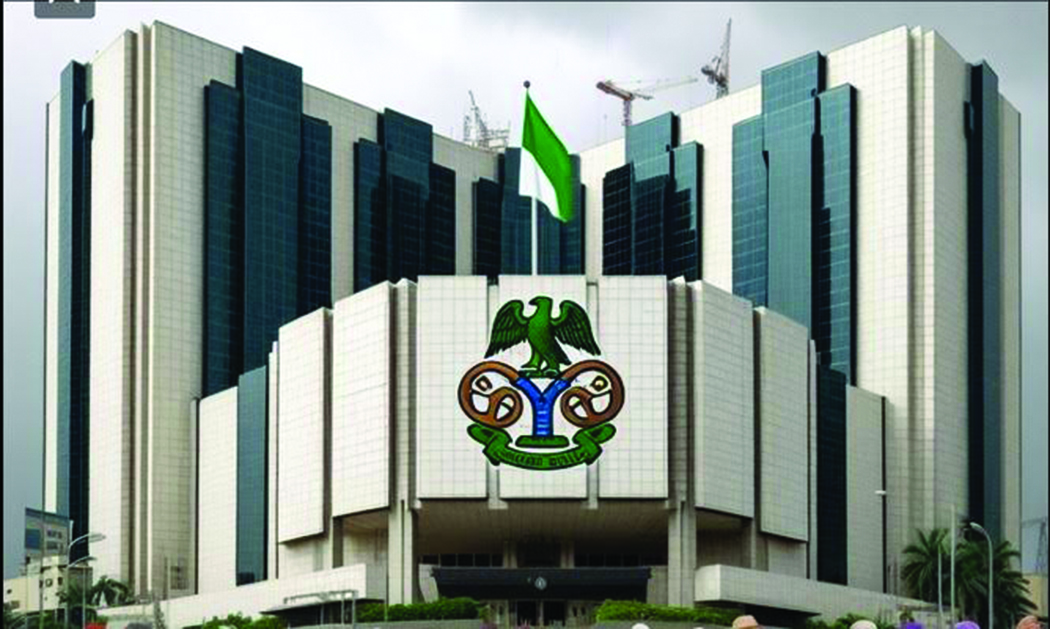
CBN Reports Foreign Investment Boosting Bank Recapitalization
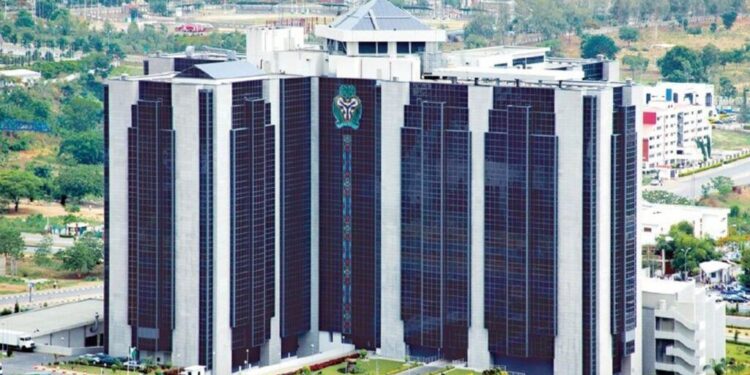
CBN Reports 33 Banks Meet Recapitalization Targets
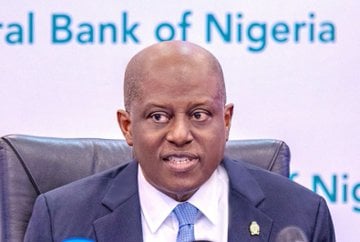
CBN Advocates Stronger Governance in Bank Recapitalization

IMF Supports CBN Recapitalization to Strengthen Banks
CBN Confirms 33 Banks Meet Recapitalization Requirements
Get Plus234Feed on messaging apps
Same headlines, delivered where you already scroll.


