

Nigerian Farmers' Profits Plunge 41% Due to Soaring Input Costs

The article highlights the significant financial challenges faced by Nigerian farmers, with a 41% decrease in profits due to surging costs of key agricultural inputs. This has led to a widening gap between production expenses and market returns, forcing smallholder farmers to scale back production and shift to less input-intensive crops.
The rise in input costs, including fertilizers, fuel, pesticides, and animal feed, has made locally grown products less competitive compared to imports, increasing reliance on foreign food supplies. If this trend continues, Nigeria may experience reduced food production, higher market prices, and potential food shortages.
Plus234Feed summary based on reporting from The Will. Read the original report below.
Read full article
Continue on The Will
Get the week in one email
Top stories, NPFL results, the naira — every Friday morning. Free, one email a week.
Related Stories
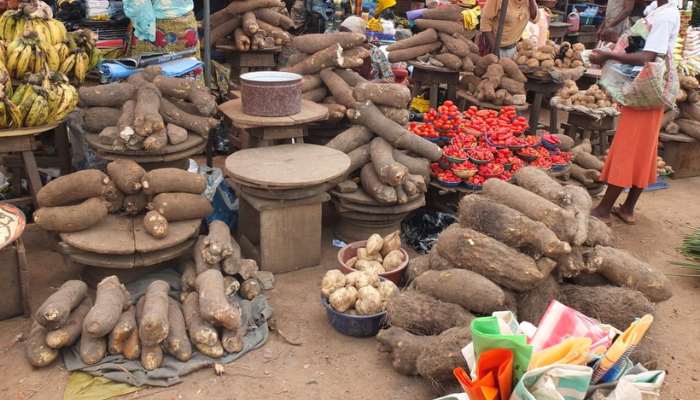
Nigerian Food Prices Drop Significantly Due to Favorable Climate and Improved Harvests

Nigerian Government Implements Strategic Interventions to Lower Food Prices and Boost Agriculture Sector

Nigeria's Input Cost Inflation Slows to Weakest Rate in Five Years - Stanbic IBTC Report

Nigerian ADC Party Accuses Government of Manipulating Food Prices for Political Gains

Nigeria at Risk of Food Shortage Despite Fertilizer Boom, Report Warns
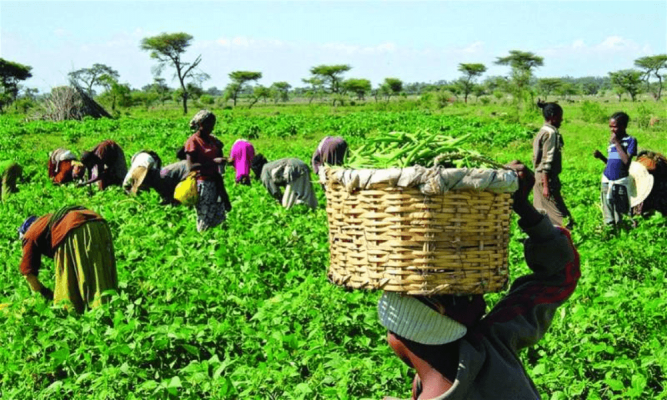
Nigerian Economy Struggles Despite Bumper Harvest, Farmers Face Challenges
Get Plus234Feed on messaging apps
Same headlines, delivered where you already scroll.


