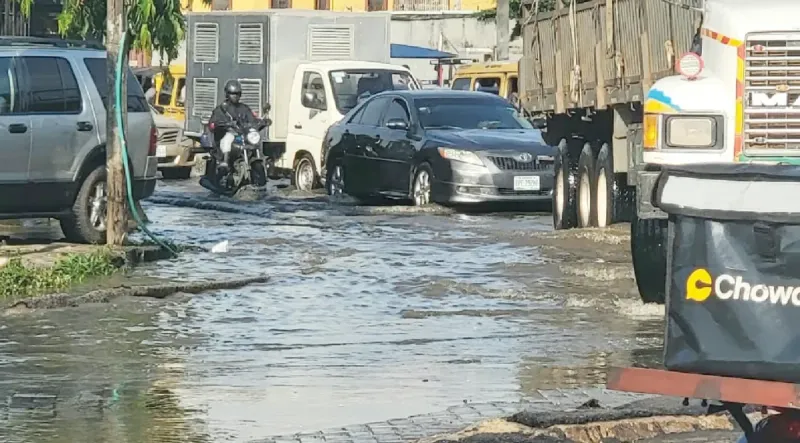

Nigerian Middle Class Struggles with Economic Insecurity

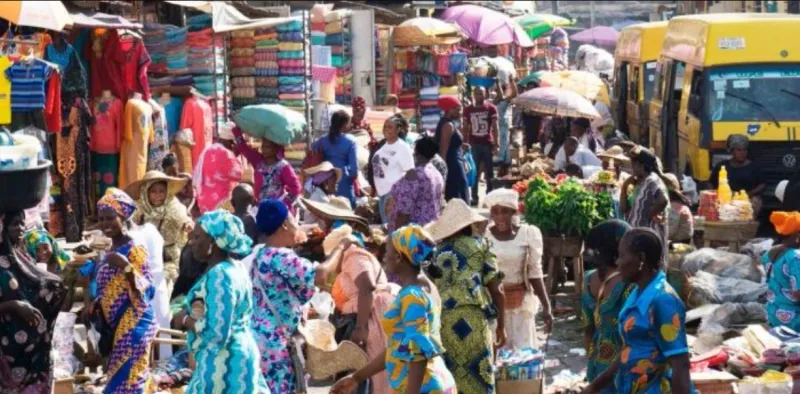
The article discusses the challenges faced by the Nigerian middle class, which is increasingly anxious about financial stability. A couple at the end of the month finds themselves calculating expenses for school fees, rent, and utilities, revealing the pressure of rising costs.
Although they are educated and employed, their salaries no longer provide the purchasing power they once did. The middle class, which includes salaried workers, professionals, and small-business owners, is experiencing a decline in economic security, making it difficult to save, manage emergencies, and afford basic living expenses.
The pressures from food, transport, housing, electricity, healthcare, and education are relentless, forcing families to defer expenses and rethink their financial planning. Economic reforms in Nigeria, such as the removal of the petrol subsidy and changes to the foreign-exchange regime, are noted as necessary but have contributed to the challenges faced by this demographic.
Plus234Feed summary based on reporting from This Day. Read the original report below.
Read full article
Continue on This Day
Get the week in one email
Top stories, NPFL results, the naira, every Friday morning. Free, one email a week.
Related Stories

CARE Nigeria's Abdu Calls for Middle Class Action Ahead of 2027
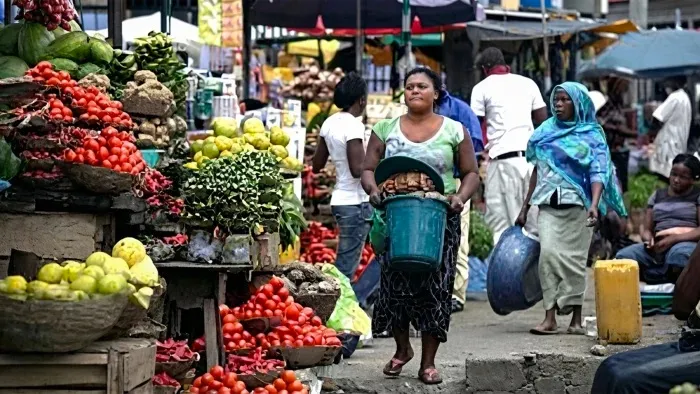
Nigeria Faces Deepening Cost-of-Living Crisis Amid Price Hikes
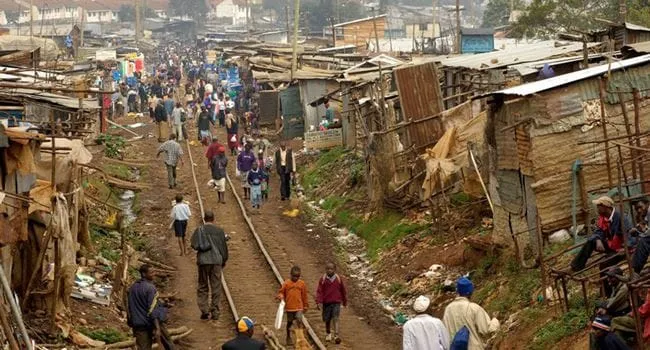
Nigeria's Poverty Crisis: N33.75 Billion Mismanaged Funds
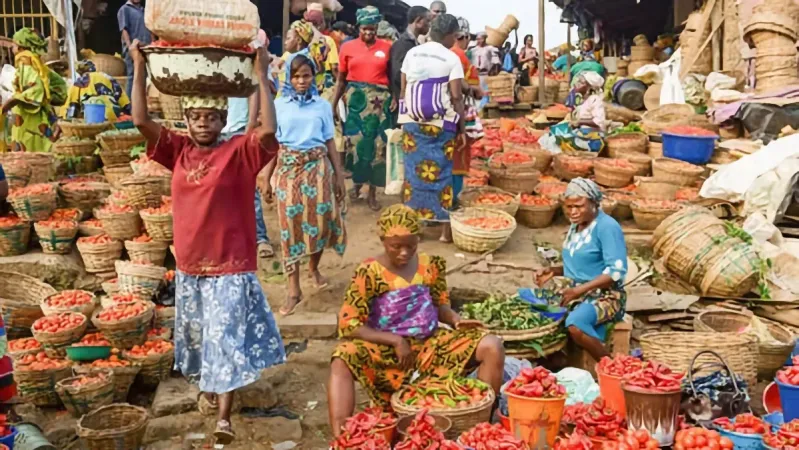
Nigeria's Inflation Drops, Yet Households Struggle in 2026
CBN Reports Decline in Nigerian Consumer Sentiment in 2026
IMF warns of rising poverty risks in Nigeria amid stability
Get Plus234Feed on messaging apps
Same headlines, delivered where you already scroll.