

Growing Informal Waste Economy in Ajegunle-Ikorodu

A study conducted by the African Cities Research Consortium in Ajegunle-Ikorodu, Lagos State, reveals a thriving informal waste economy despite significant environmental and public health challenges. The research involved a quantitative household survey of 400 families across three communities and focused on waste disposal patterns and sanitation conditions.
It found that many residents lack access to formal waste collection services, leading to open burning and indiscriminate disposal of refuse. The study identified plastic and food waste as dominant components of household refuse, with a small proportion consisting of recyclable materials.
Health concerns linked to unsanitary conditions, including malaria, cholera, and rodent infestations, were reported. However, the study also highlighted a vibrant informal recycling network that provides supplementary income for households.
Residents expressed a willingness to adopt improved waste management practices if access to systems is introduced. Proposed interventions include establishing community waste collection points and educational campaigns led by women and youth groups.
Plus234Feed summary based on reporting from This Day. Read the original report below.
Read full article
Continue on This Day
Get the week in one email
Top stories, NPFL results, the naira — every Friday morning. Free, one email a week.
Related Stories
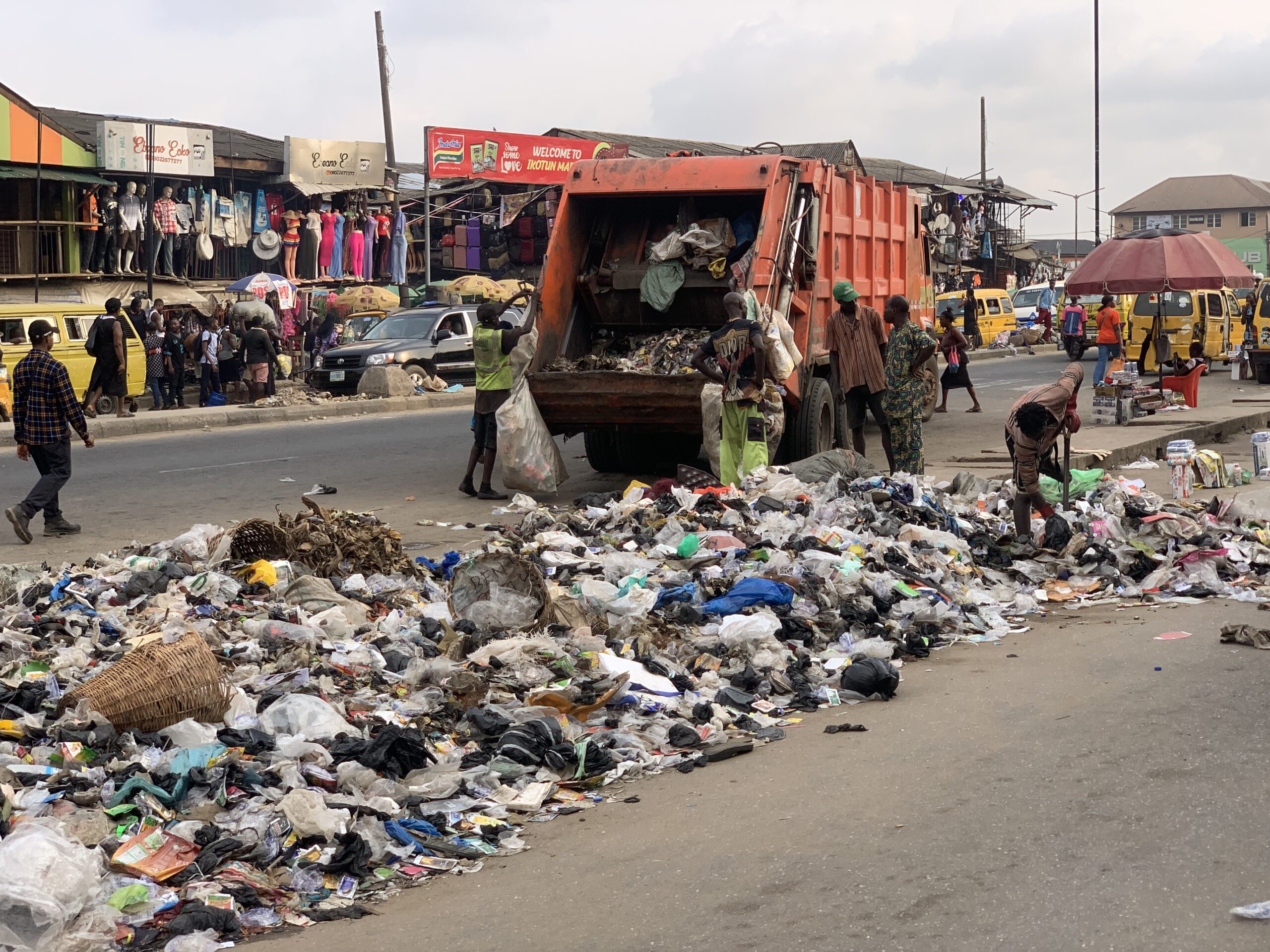
Lagos Waste Crisis: 13,000 Tons Generated Daily
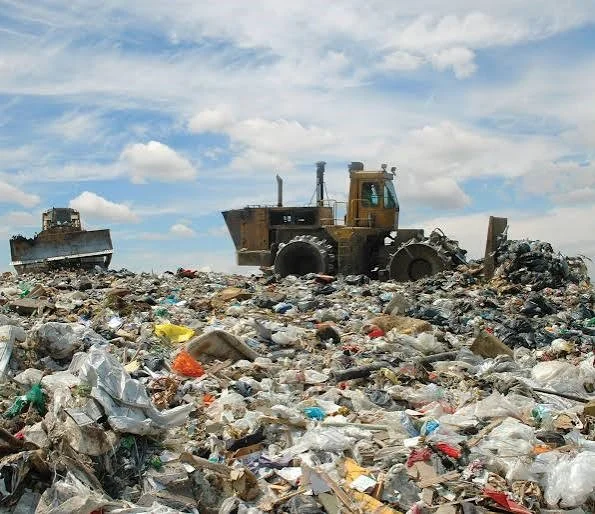
Lagos Waste Management Faces Challenges Amid Urban Growth
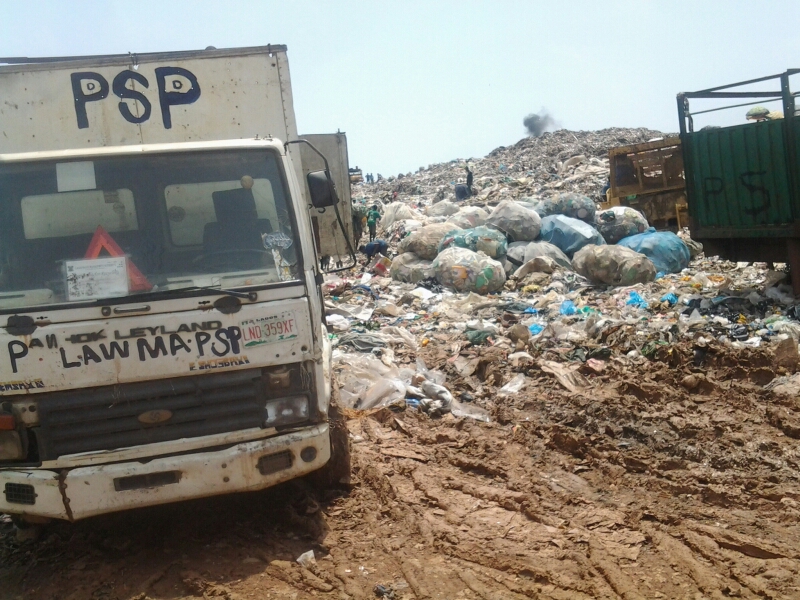
Lagos Communities Face Health Risks from Pollution Crisis
Apapa-Iganmu LCDA Launches Waste-to-Wealth Initiative
Waste Pickers in Lagos Demand Recognition on Workers' Day

Lagos Waste Disposal Crisis Worsens Under Sanwo-Olu
Get Plus234Feed on messaging apps
Same headlines, delivered where you already scroll.


