

Nigeria's Governors Tackle Power Issues Post-Subsidy Removal

The article continues a series on the implementation of the 2023 electricity law across Nigeria's 36 states, highlighting the fiscal implications of petrol subsidy removal savings since President Bola Tinubu's administration began in 2023. The legal framework now allows shared responsibility for power generation, transmission, and distribution between the federal government and the states.
The series aims to assess the delivery of Sustainable Development Goal 7 at the subnational level, particularly in the context of electricity sector liberalization. It emphasizes that judicious use of public resources can resolve Nigeria's power challenges and enhance productivity for industries and households.
The article profiles states including Ogun, Niger, Enugu, Gombe, Delta, and Kano, alongside previously mentioned states like Abia, Ekiti, and Kaduna. It questions whether these states have effectively utilized public resources to improve power supply over the past three years, supported by graphical illustrations summarizing their performance.
Plus234Feed summary based on reporting from This Day. Read the original report below.
Read full article
Continue on This Day
Get the week in one email
Top stories, NPFL results, the naira — every Friday morning. Free, one email a week.
Related Stories
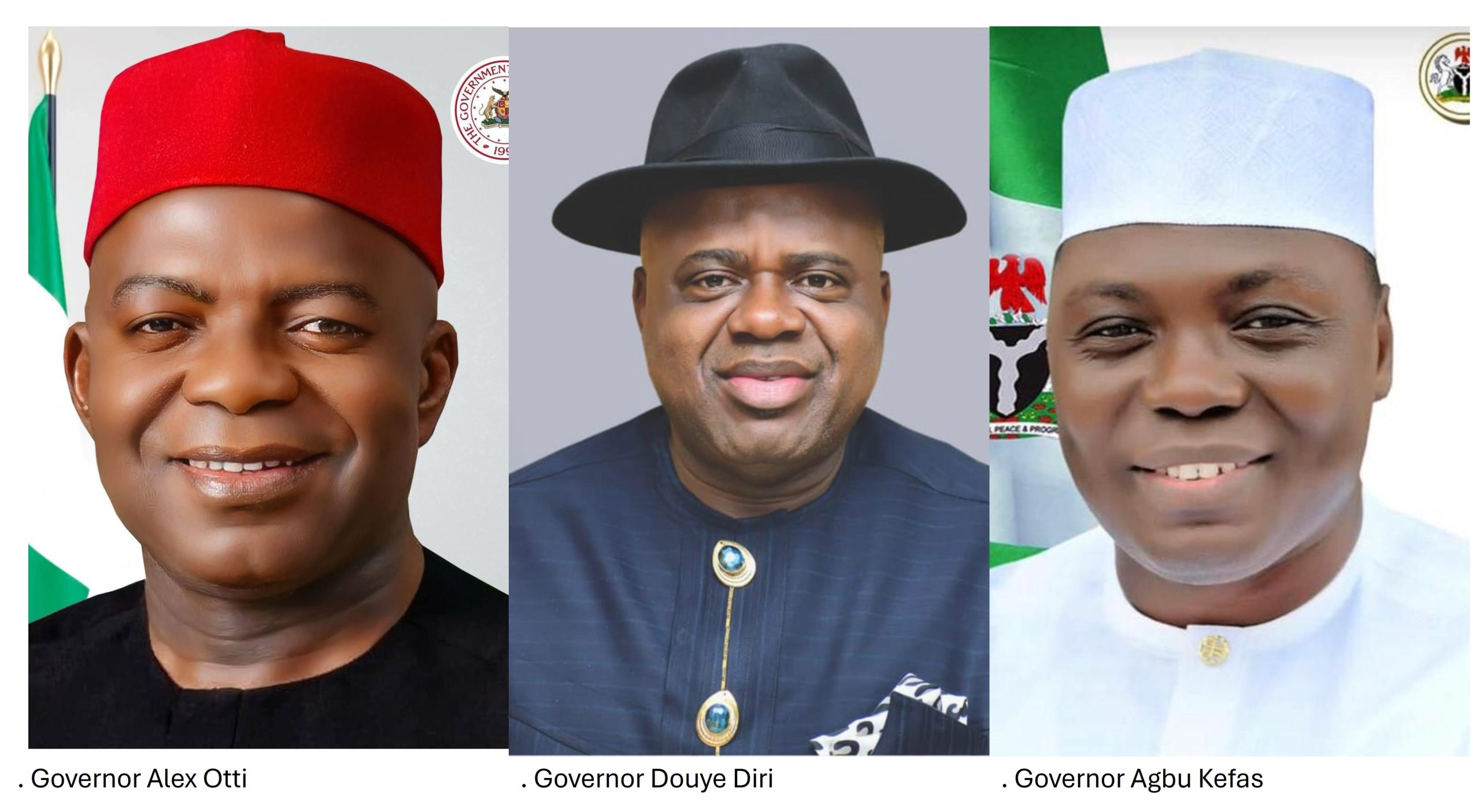
Governors' Accountability in Nigeria's Power Sector Post-Subsidy
Nigeria's Fuel Subsidy Removal: A Call for Accountability
Nigeria's N15.8tn Subsidy Savings Distribution Explained
Lokpobiri Reports N2.1 Trillion in Subsidy Savings for States
Nigeria's Fuel Prices Surge Post-Subsidy Removal
Nigeria's Fuel Subsidy Debate: Atiku vs. Tinubu
Get Plus234Feed on messaging apps
Same headlines, delivered where you already scroll.


