

Nigeria's Fuel Subsidy Removal: A Call for Accountability

The article examines Nigeria's historical context regarding fuel subsidy removal, referencing the establishment of the Petroleum Trust Fund (PTF) after the 1993 fuel-price increase and the introduction of the Reinvestment and Empowerment Programme (SURE-P) during the Goodluck Jonathan administration in 2012. It highlights that despite various reforms in 1993, 2012, 2016, and 2020, the fundamental issues of domestic refining, energy infrastructure, and mass poverty persist.
The article raises critical questions about public policy and accountability, urging for transparent accounting of savings from subsidy removal and how these funds are reinvested into infrastructure and social protection. It calls for a serious conversation about the politics of accountability, emphasizing that Nigerians have repeatedly faced rising costs without seeing the promised benefits of subsidy removal.
The article concludes by questioning when Nigerians will stop receiving excuses regarding subsidy removal.
Plus234Feed summary based on reporting from This Day. Read the original report below.
Read full article
Continue on This Day
Get the week in one email
Top stories, NPFL results, the naira — every Friday morning. Free, one email a week.
Related Stories
Public Support Grows for Fuel Subsidy Restoration in Nigeria
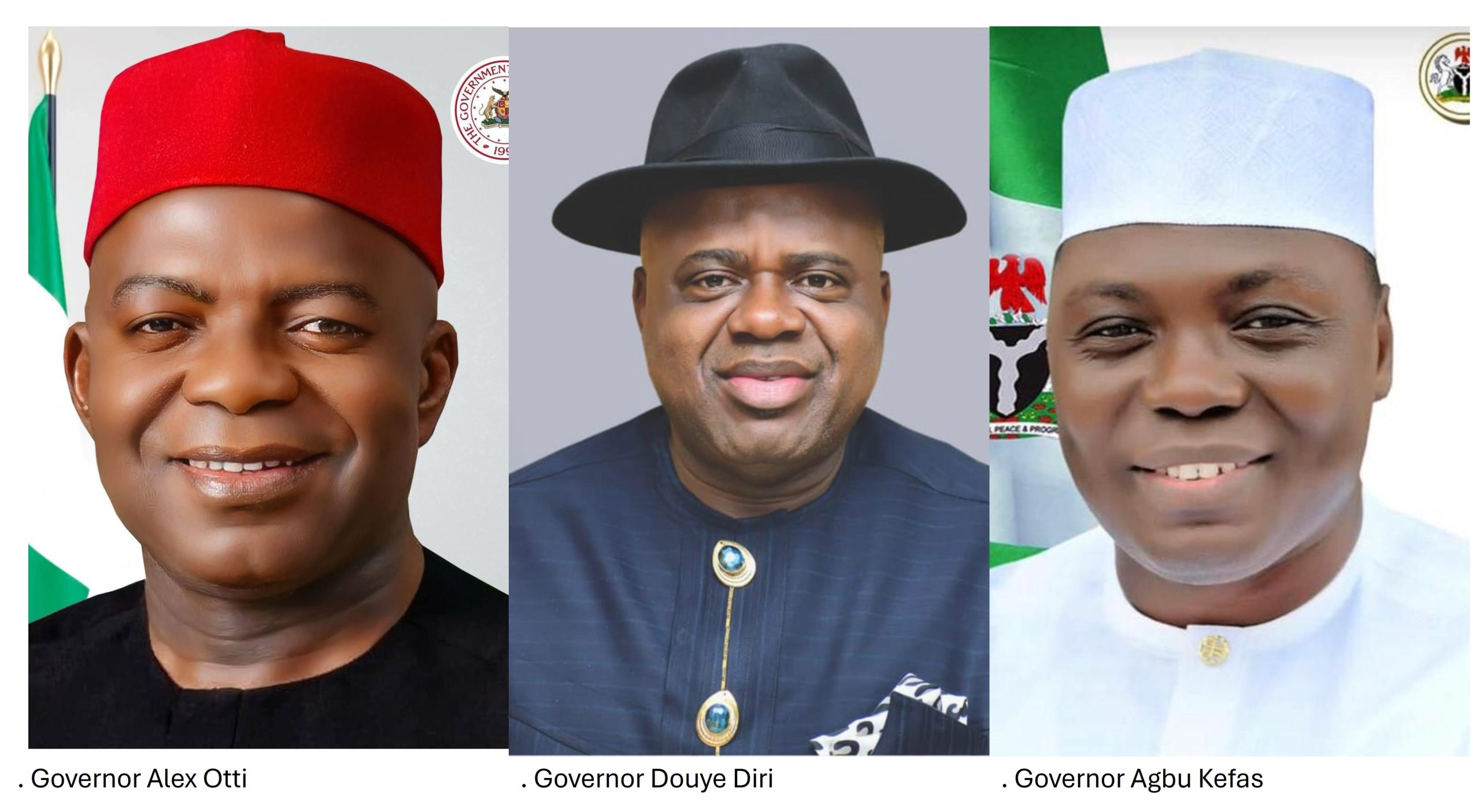
Governors' Accountability in Nigeria's Power Sector Post-Subsidy
Nigeria's Petrol Subsidy Removal Sparks Controversy
Nigeria's Fuel Subsidy Debate: Atiku vs. Tinubu
Oyintiloye Supports Tinubu's Fuel Subsidy Removal
Tinubu's Fuel Subsidy Removal: Economic Reform Praised
Get Plus234Feed on messaging apps
Same headlines, delivered where you already scroll.


