

Middle East Conflict Disrupts Global Oil Supply and Prices

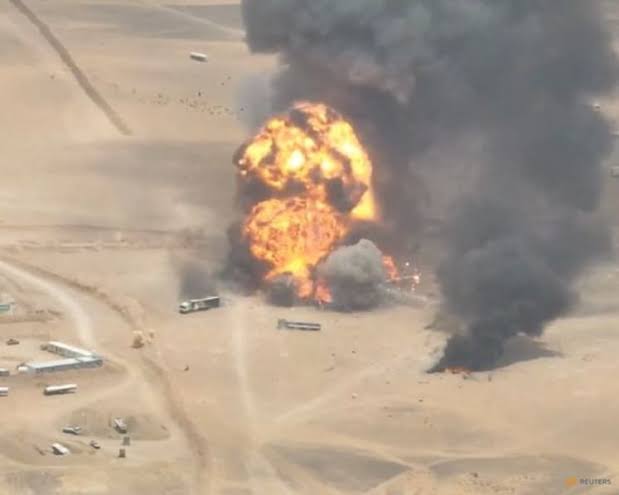
The conflict in the Middle East has escalated, affecting global oil supply and prices. Saudi Arabia has shut its East–West pipeline, which typically transports 4–5 million barrels of oil daily, due to drone attacks.
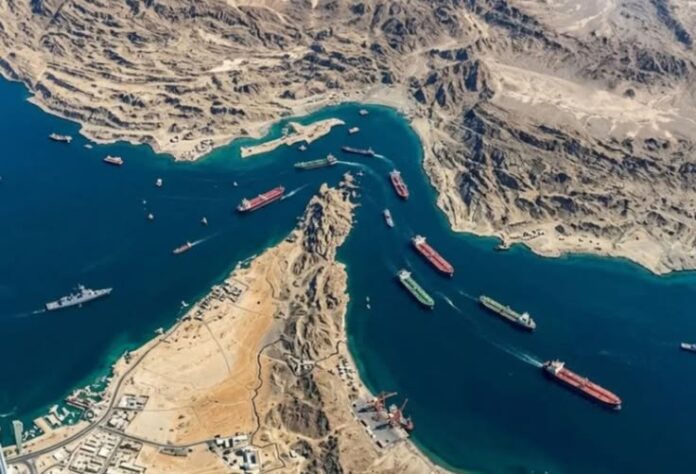
This pipeline was crucial for bypassing the Strait of Hormuz, where Iran-backed Houthi fighters have seized the strategic Perim Island, threatening Saudi oil exports. The Strait of Hormuz is vital for global oil and liquefied natural gas trade, handling about one-fifth of it.
Brent crude prices have surged past $100 a barrel, with analysts predicting further increases if disruptions continue. Countries without domestic refining capacity, particularly in Africa and parts of Asia, will feel the impact quickly, as rising energy costs will exacerbate already climbing food prices.
The situation may force shipping lines to avoid the Red Sea–Suez corridor, leading to longer routes around the Cape of Good Hope.
Plus234Feed summary based on reporting from NTA News. Read the original report below.
Read full article
Continue on NTA News
Get the week in one email
Top stories, NPFL results, the naira — every Friday morning. Free, one email a week.
Related Stories
Renewed Tensions in Middle East Impact Global Energy Markets
Oil Prices Near $100 Amid Middle East Conflict Escalation
Saudi Pipeline Outage Could Cut Global Oil Supply by 4%
Oil Prices Exceed $100 Amid Middle East Tensions

Houthi Movement Strikes Saudi Arabia, Escalating Tensions
Brent Crude Prices Fall to $103 Amid Easing Supply Concerns
Get Plus234Feed on messaging apps
Same headlines, delivered where you already scroll.


