

Renewed Tensions in Middle East Impact Global Energy Markets

The Middle East is once again at the center of global attention due to escalating tensions between the United States and Iran, significantly impacting shipping, energy markets, and security across the Gulf. On Tuesday, Iran-backed Houthi forces attacked energy facilities and cities in Saudi Arabia, prompting Tehran to warn that U.S. energy interests in the Gulf could be targeted if American attacks continue.
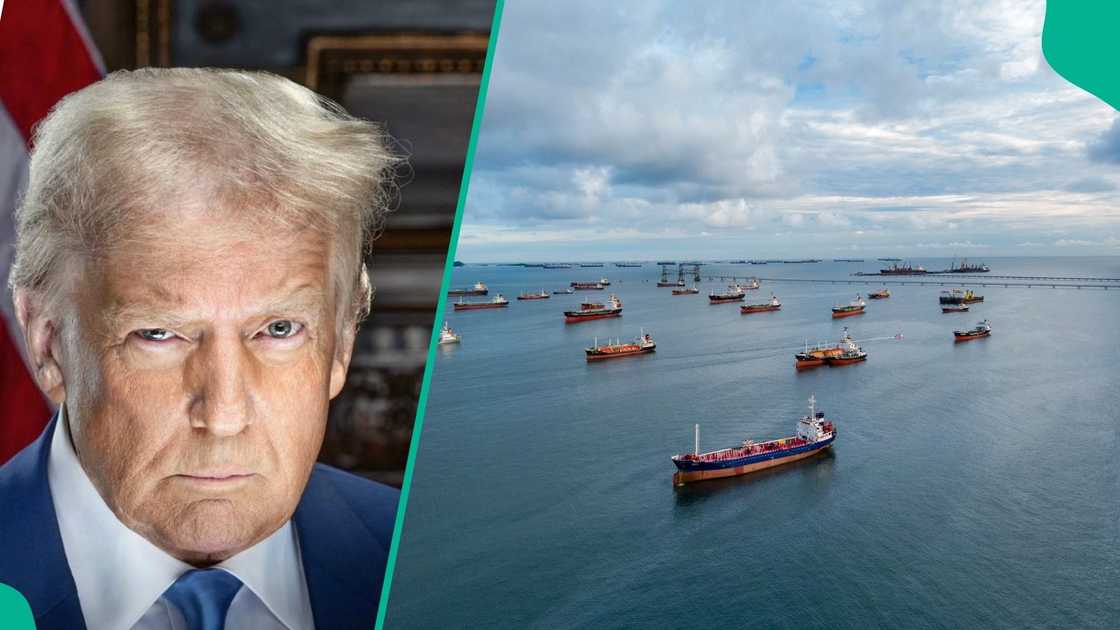
This situation raises concerns that the conflict may extend beyond U.S.-Iran tensions to a wider regional war, with Saudi Arabia becoming increasingly involved. The Strait of Hormuz, a critical waterway for global oil transport, has already seen disruptions, with only seven commodity vessels passing through on Monday, down from eight the previous day.
The International Energy Agency has labeled the disruption to oil flows through Hormuz as the largest in the history of the global oil market. While military escalation is a possibility, previous ceasefires and negotiations indicate that diplomatic efforts may also be pursued, although the current climate suggests a challenging path ahead.
Plus234Feed summary based on reporting from Uhurutimes. Read the original report below.
Read full article
Continue on Uhurutimes
Enjoy this article?
Get the weekly Nigerian roundup — top stories, NPFL, naira. One email, Sunday morning.
Related Stories

Houthi Movement Strikes Saudi Arabia, Escalating Tensions
Iran Warns US of Retaliation Amid Gulf Tensions
Iran Strikes US Targets Amid Escalating Tensions
US Embassies Warn Americans in Middle East to Evacuate

Oil Prices Surge 8% Amid US-Iran Tensions
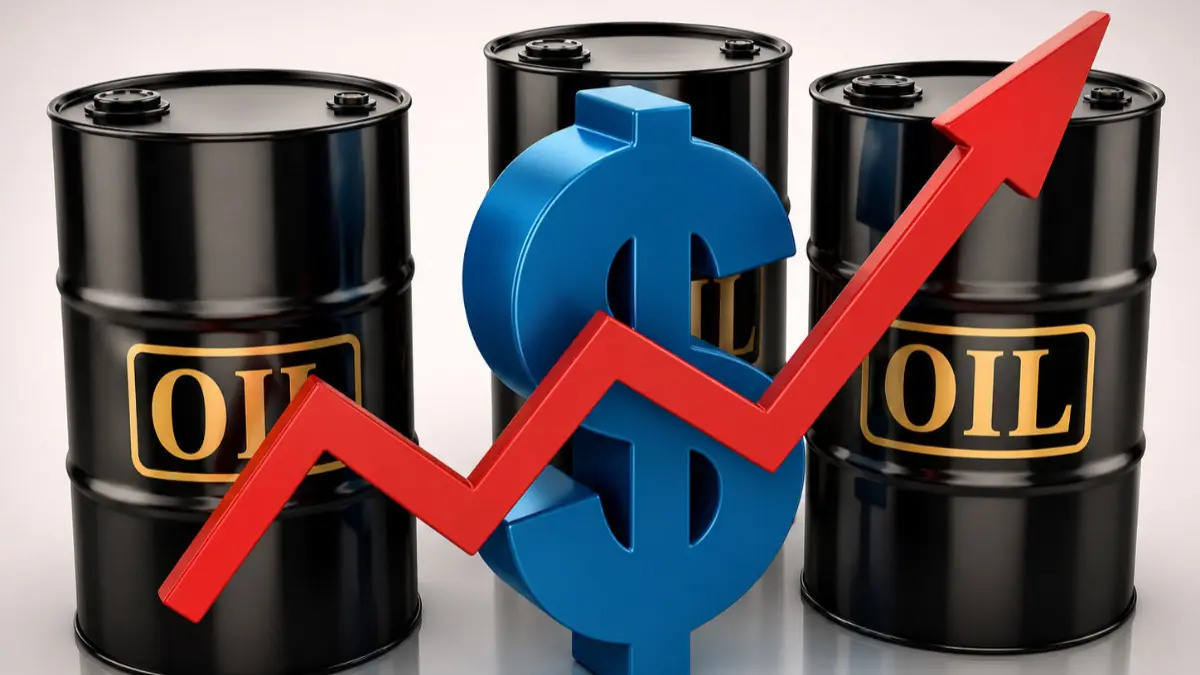
Oil Prices Near $100 Amid Middle East Conflict Escalation
Get Plus234Feed on messaging apps
Same headlines, delivered where you already scroll.


