

Nigeria's Petrol Subsidy Debate: Atiku's 2027 Pledge
The ongoing debate regarding petrol subsidy in Nigeria has gained traction after former Vice President Atiku Abubakar announced his intention to restore the subsidy if he is elected president in 2027. The removal of the subsidy has resulted in significant economic challenges, including increased transport costs, rising production expenses, and weakened household purchasing power.
Scholarly research, including studies by Okorie and Wesseh (2024) and Shittu et al. (2024), confirms that the removal of the subsidy has led to higher prices and reduced economic welfare. The discourse surrounding this issue is framed as an economic question rather than a partisan issue, reflecting a growing maturity in Nigeria's democracy as voters engage with competing economic ideas.
The article emphasizes the importance of evaluating economic reforms over time, considering both immediate costs and long-term benefits, and distinguishing between the costs of maintaining an inefficient system versus the costs of reform.
Plus234Feed summary based on reporting from Premium Times. Read the original report below.
Read full article
Continue on Premium Times
Enjoy this article?
Get the weekly Nigerian roundup — top stories, NPFL, naira. One email, Sunday morning.
Related Stories
Petrol Subsidy Debate Heats Up Ahead of 2027 Elections
Public Support Grows for Fuel Subsidy Restoration in Nigeria
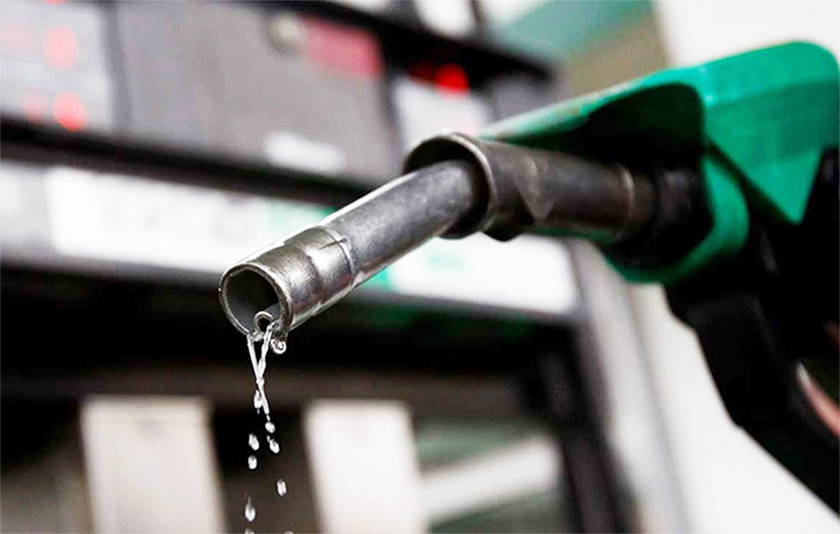
Fuel Subsidy Removal Sparks Economic Struggles in Nigeria
Atiku Abubakar Reaffirms Commitment to Fuel Subsidy
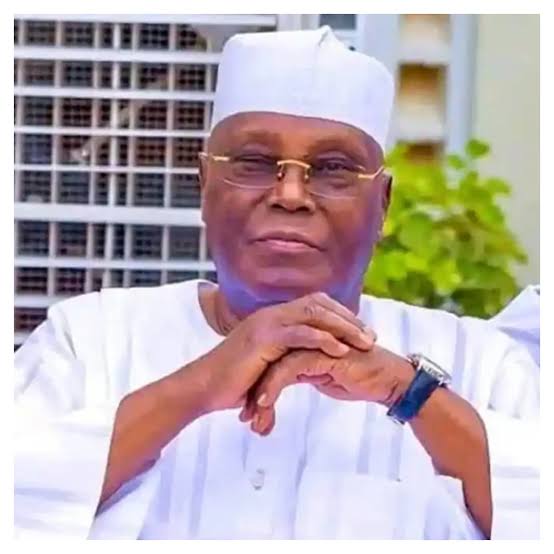
Presidency Accuses Atiku of Political Opportunism on Subsidy
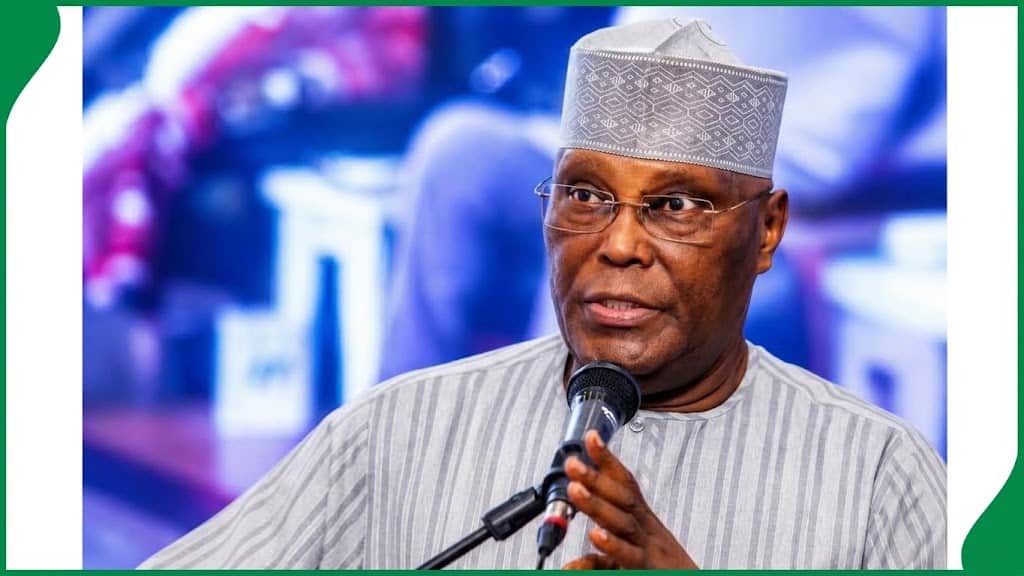
Atiku Abubakar Proposes Fuel Subsidy Restoration Plan
Get Plus234Feed on messaging apps
Same headlines, delivered where you already scroll.


