

Tinubu's Economic Reforms: Gains and Ongoing Hardships

As Bola Ahmed Tinubu's administration commemorates three years since his inauguration, the economic reforms implemented have resulted in stronger government revenues but have also led to rising public debt and ongoing hardship for many Nigerians. Key reforms include the removal of fuel subsidies and foreign exchange reforms, which have significantly altered Nigeria's fiscal structure.
While these changes have improved some macroeconomic indicators and restored investor confidence, they have also triggered immediate increases in fuel prices, transport costs, and food inflation, exacerbating the cost of living for households and small businesses. According to Dr. Muda Yusuf of the Centre for the Promotion of Private Enterprise, the rising public debt is partly due to the discontinuation of certain financing methods.
Despite the fiscal improvements, experts warn that inflation remains a significant threat to economic stability and household welfare. The long-term impacts of these reforms are expected to be central to Nigeria's political and economic discussions as the next electoral cycle approaches.
Plus234Feed summary based on reporting from Nairametrics. Read the original report below.
Read full article
Continue on Nairametrics
Get the week in one email
Top stories, NPFL results, the naira — every Friday morning. Free, one email a week.
Related Stories
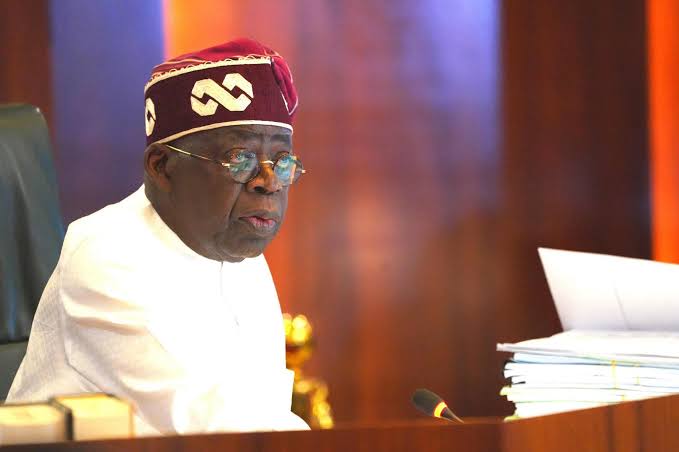
Tinubu's Three-Year Reforms: Economic Impact in Nigeria

Nigeria's Economic Crisis: Tinubu's Debt and Inflation Woes
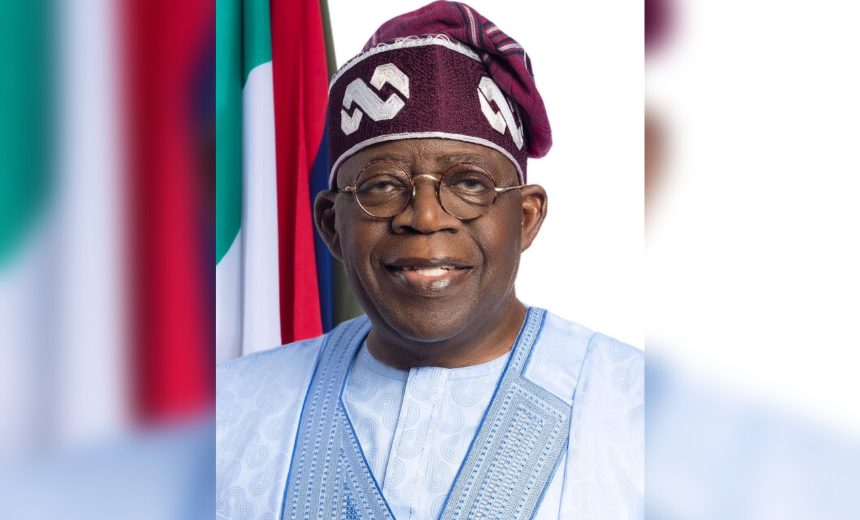
Tinubu's Economic Reforms Show Mixed Results, Says CPPE
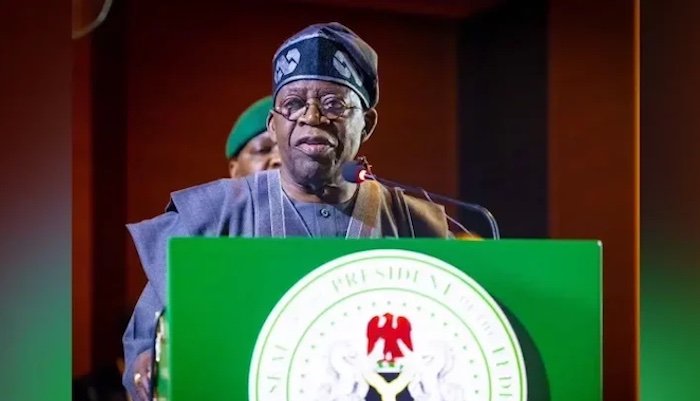
Tinubu Marks Third Anniversary, Highlights Economic Reforms
Tinubu: Fuel Subsidy and Tax Reforms Essential for Economy
Tinubu Addresses Economic Challenges in Anniversary Speech
Get Plus234Feed on messaging apps
Same headlines, delivered where you already scroll.


