

Uber Exits Nigeria, Impacting MSME Sector Significantly

Uber, the global ride-hailing company, shut down its Nigerian operations on September 2, 2026, after 12 years of service that began in Lagos in 2014. The decision followed a review of its evolving business priorities and investment focus across Africa, although Uber did not specify any particular Nigerian policy or regulatory action as the cause for its exit.
The departure is significant for Nigeria's micro, small, and medium enterprise (MSME) sector, which is heavily impacted by the challenges of building sustainable businesses in the digital economy. Factors contributing to this situation include rising fuel costs, inflation, vehicle maintenance expenses, currency instability, and regulatory pressures.
In March 2026, Lagos drivers protested against these rising costs. Uber's model allowed individuals to operate as small transportation entrepreneurs, generating income through their vehicles.
Despite Uber's exit, competitors like Bolt and inDrive remain operational, but the broader implications for the MSME ecosystem are concerning.
Plus234Feed summary based on reporting from The Will. Read the original report below.
Read full article
Continue on The Will
Enjoy this article?
Get the weekly Nigerian roundup — top stories, NPFL, naira. One email, Sunday morning.
Related Stories
Uber Exits Nigeria After 12 Years of Operation

Uber to End Operations in Nigeria by September 2026

Uber Exits Nigeria After 12 Years Amid Rising Costs

Uber to Exit Nigeria by September 2026 Amid Competition
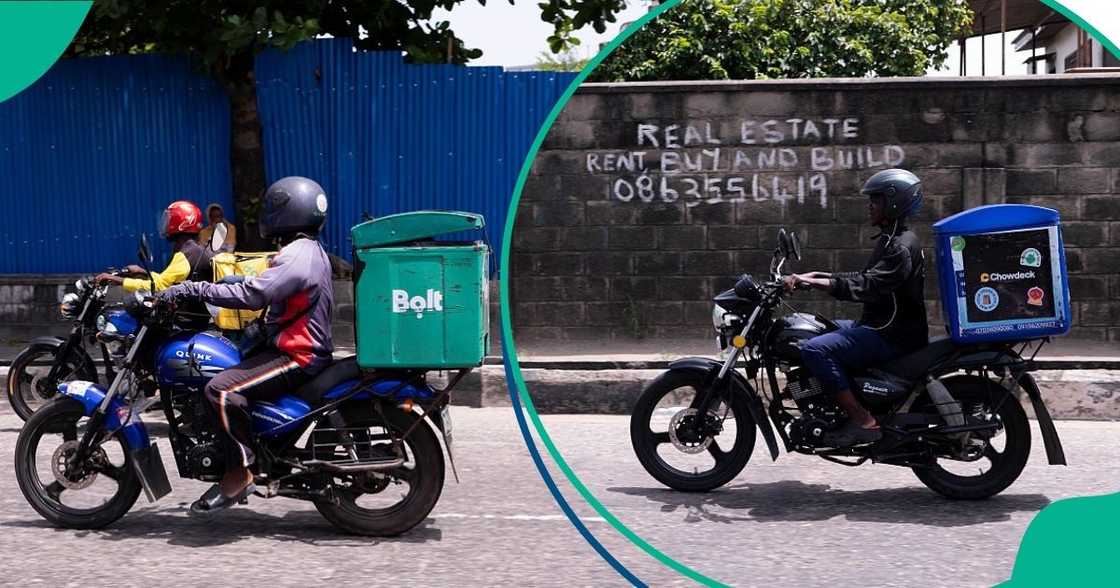
Alternatives to Uber for Nigerian SMEs' Delivery Needs

Uber Exits Nigeria: Local Ride-Hailing Market Opens Up
Get Plus234Feed on messaging apps
Same headlines, delivered where you already scroll.


