

Nigeria Proposes Global Debt-for-Education Swap at UNESCO

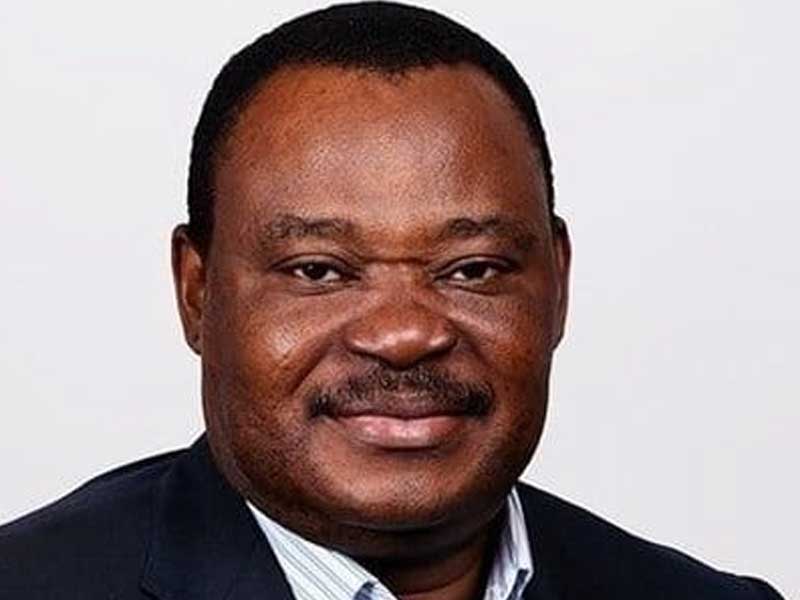
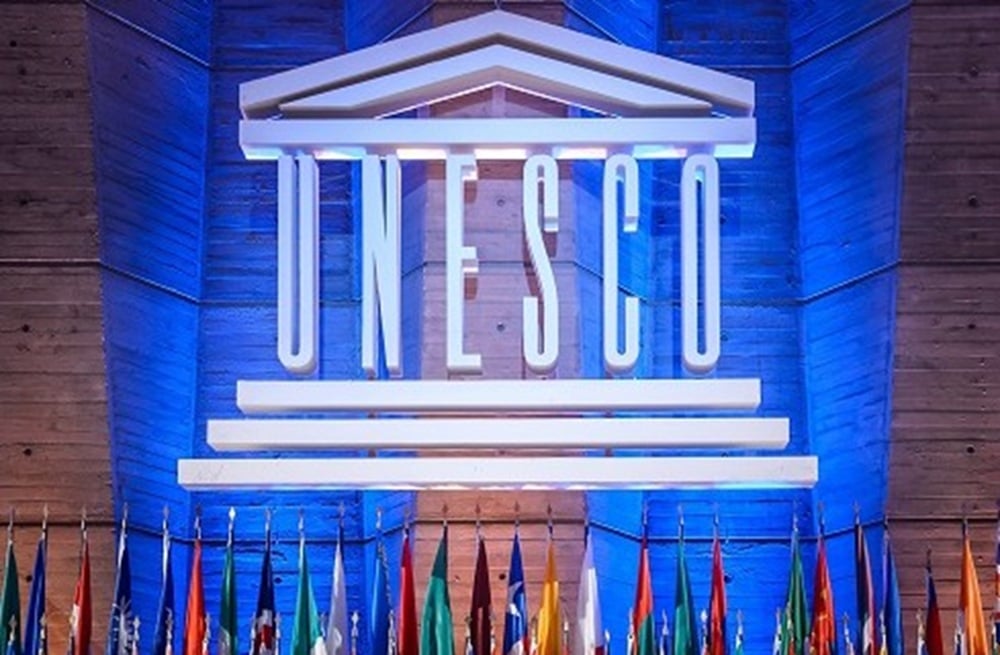
At the UNESCO Conference in Paris, Jimoh Ibrahim, Nigeria's Permanent Representative to the United Nations, proposed a bold global debt-for-education swap initiative. This initiative aims to allow developing countries to invest in education without undermining their debt obligations.
Ibrahim highlighted the increasing debt burden on developing nations, which erodes their ability to invest in education, compelling them to allocate scarce resources to debt servicing instead of building schools and improving educational infrastructure. He expressed concern over the declining levels of development assistance and the challenges faced by low and middle-income countries in strengthening their educational systems.
The proposed debt-for-education swap framework would enable debtor nations to suspend interest payments and redirect those funds towards educational projects. Ibrahim warned that many countries are committing 70% of government revenue to debt servicing, making progress toward achieving Sustainable Development Goal 4 (SDG 4) difficult without innovative financing mechanisms.
The conference gathered representatives from 113 countries, collectively affecting a population of six billion people.
Plus234Feed summary based on reporting from Nigerian Tribune. Read the original report below.
Read full article
Continue on Nigerian Tribune
Get the week in one email
Top stories, NPFL results, the naira — every Friday morning. Free, one email a week.
Related Stories

Nigeria Proposes Global Debt-for-Education Swap at UNESCO
Nigeria’s UN Envoy to Keynote Maritime Summit in China
Nigeria's UN Envoy to Keynote Maritime Summit in China
Nigeria’s UN Envoy to Keynote Maritime Summit in Beijing
Japan and UNESCO Collaborate to Enhance Nigeria's Education
86 Nigerians Awarded UNESCO-UNICAF Scholarships
Get Plus234Feed on messaging apps
Same headlines, delivered where you already scroll.


