

Legal Complexities in Trying Alleged Coup Plotters in Nigeria

The article discusses the intricate legal pathways in prosecuting individuals accused of coup plotting in Nigeria. It emphasizes the dual justice systems established by Nigeria's 1999 constitution, with civilian courts handling treason cases while the military justice system deals with offenses against the state.
The case of businessman Muhammadu Mandara, who was tried in a civilian court for allegedly mobilizing soldiers to overthrow the government during the Second Republic, serves as a legal precedent. Legal expert Femi Falana argues for trying suspects, including soldiers, in civilian courts for offenses against democracy.
The article underscores the delicate balance between civilian supremacy and military discipline, with past court rulings upholding the military's authority to try its members. Recent coup plot allegations involving military personnel have reignited the debate on the appropriate legal venue for such trials, reflecting the ongoing legal and constitutional challenges in Nigeria's justice system.
Plus234Feed summary based on reporting from This Day. Read the original report below.
Read full article
Continue on This Day
Get the week in one email
Top stories, NPFL results, the naira — every Friday morning. Free, one email a week.
Related Stories
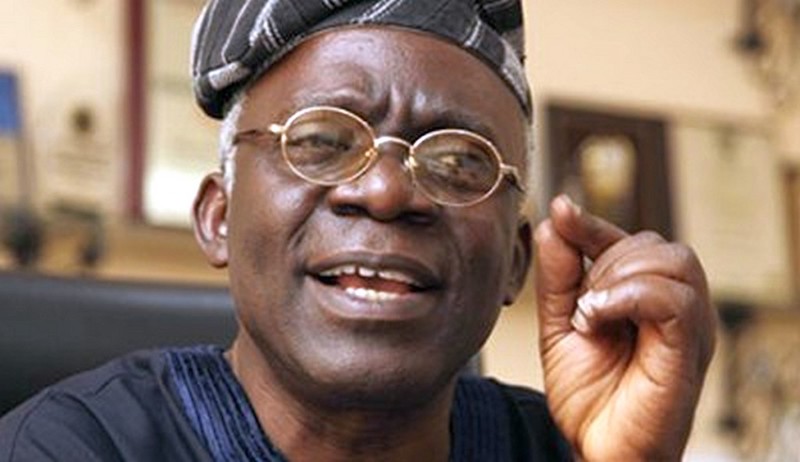
Legal Implications of Trying Coup Suspects in Nigerian Military Tribunals
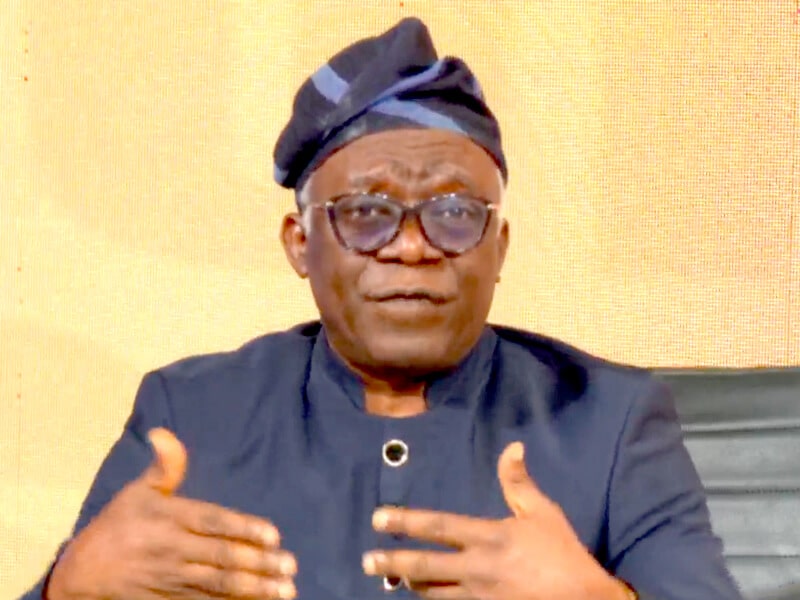
Falana: Coup Plotters Must Face Civilian Courts, Not Court-Martial
Confusion Over Fate of Nigerian Coup Plotters Persists
Nigerian Journalist Richard Akinnola Cautions Media on Coup Plot Reporting
Nigerian Air Force Chief Vows to Prosecute Coup Plotters
Nigerian Military Officers Face Death Penalty for Alleged Coup Plot
Get Plus234Feed on messaging apps
Same headlines, delivered where you already scroll.


