

Insecurity Crisis in Nigeria's Middle Belt: Benue and Plateau
The article examines the complex insecurity in Nigeria's Middle Belt, focusing on Benue and Plateau states. It outlines the historical roots of conflict, including land rights issues stemming from British colonial policies that institutionalized ethnic identities.
The article notes that the region, home to over 230 ethnic groups, has seen increasing violence, mass casualties, and displacement due to clashes between farmers and herders. Contributing factors include ecological pressures from climate change, such as erratic rainfall and shrinking pastures, which exacerbate competition for land.
The Nigerian police force, with only 371,800 officers for a population of 237 million, is overstretched, particularly in rural areas, leading to a security vacuum. Analyst Bulama Bukarti describes the violence in North Central Nigeria as symptomatic of state failure, with inadequate intelligence gathering and rare prosecution of perpetrators.
The article calls for urgent policy attention to address these interconnected issues threatening food security and stability in the region.
Plus234Feed summary based on reporting from The Authority. Read the original report below.
Read full article
Continue on The Authority
Get the week in one email
Top stories, NPFL results, the naira — every Friday morning. Free, one email a week.
Related Stories
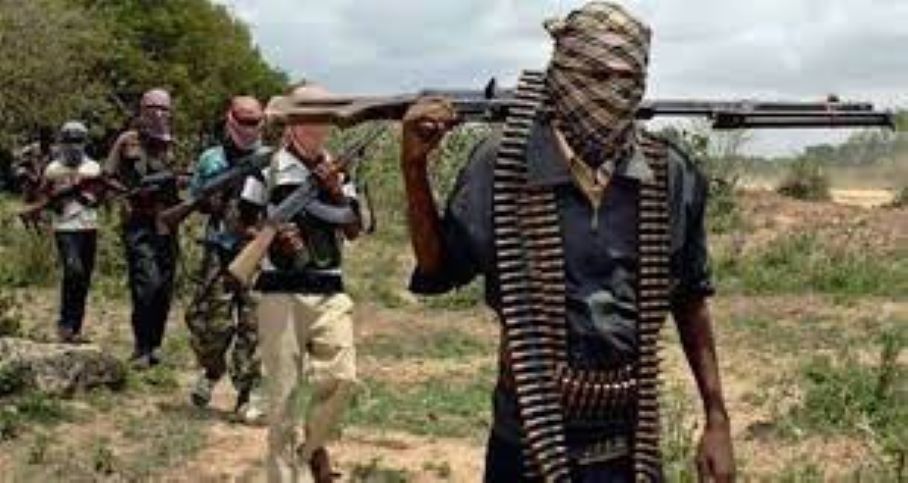
Violence in Benue, Plateau States Escalates Middle Belt Crisis
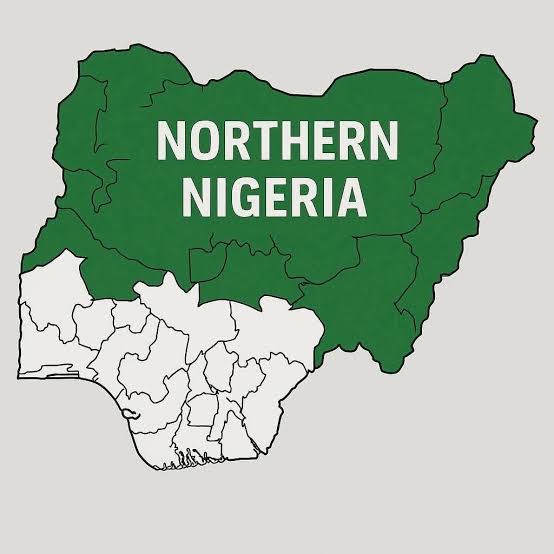
Insecurity and Poverty Crisis in Northern Nigeria

Ongoing Violence and Ethnic Tensions in Plateau State
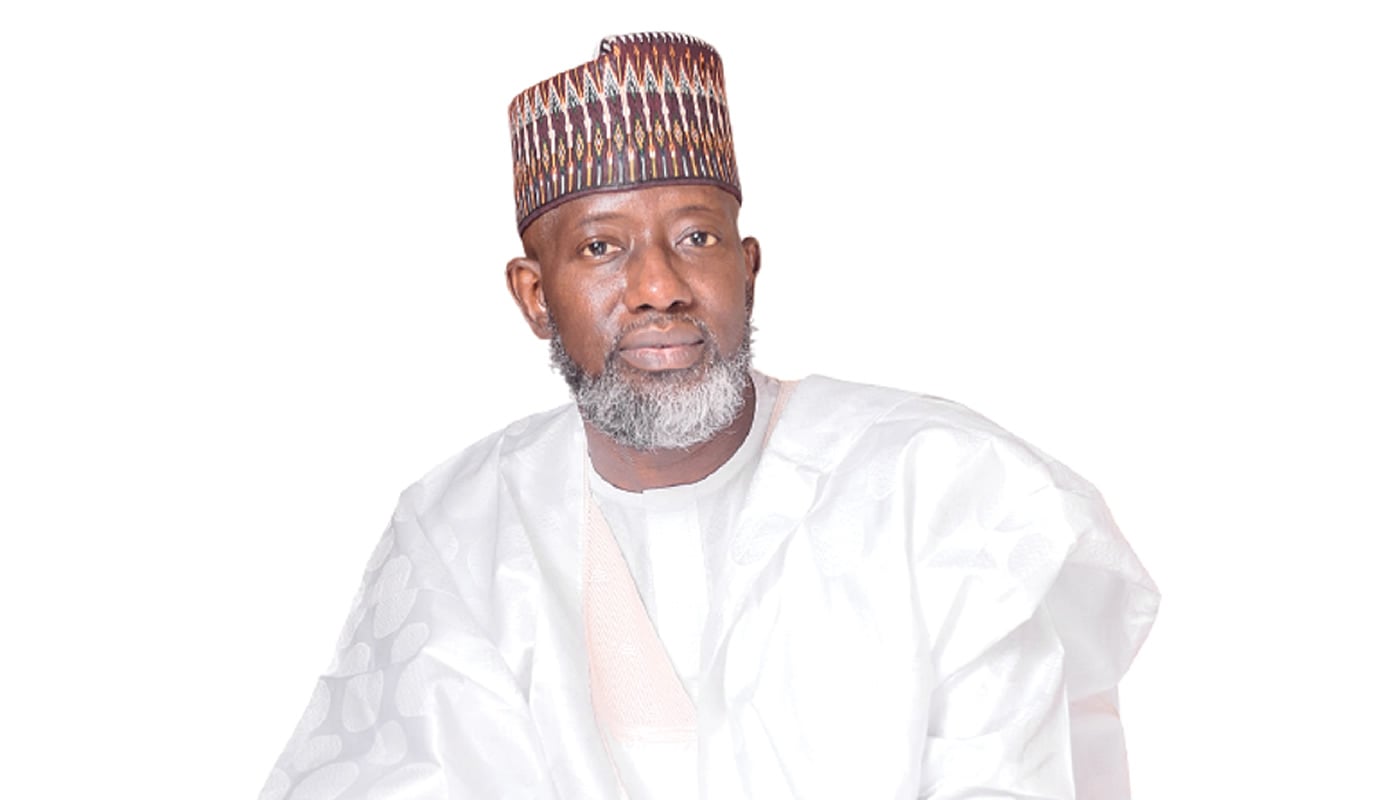
Ex-lawmaker attributes Northern Nigeria's insecurity to lack of education and political will
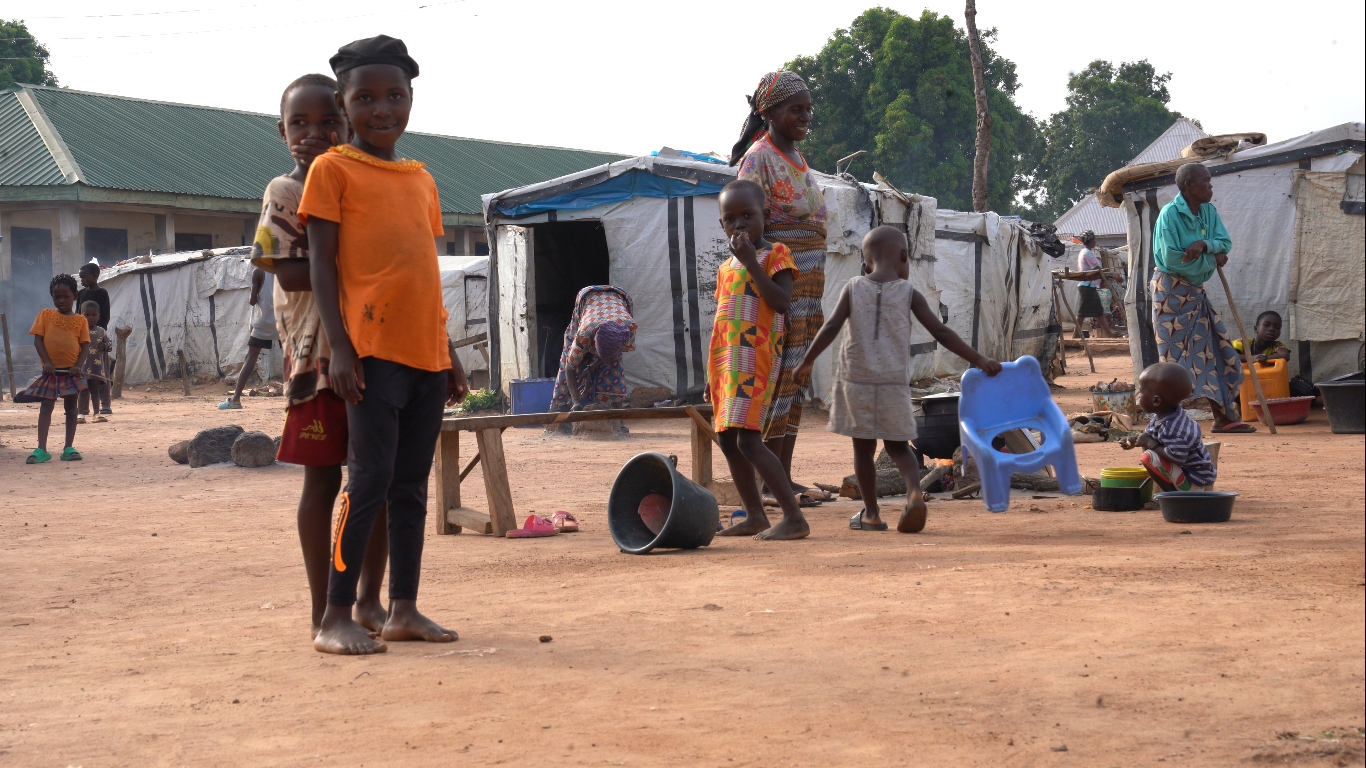
Child Survivors of Violence in Plateau and Benue States

Addressing Violence and Exclusion in Plateau, Nigeria
Get Plus234Feed on messaging apps
Same headlines, delivered where you already scroll.


