

Ongoing Violence and Ethnic Tensions in Plateau State

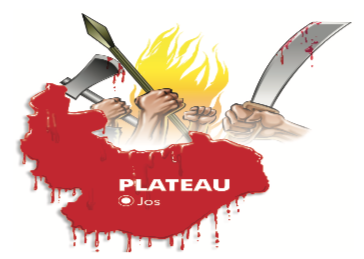
The article addresses the persistent violence in Plateau State, Nigeria, which has resulted in significant loss of life, with estimates suggesting around 50,000 deaths since the crisis began in September 2001. The conflict is characterized by brutal killings, often attributed to the tensions between indigenous groups, predominantly Christians such as the Berom, Ngas, and Tarok, and the predominantly Muslim Fulani settlers.
The historical context dates back to the 18th century when nomadic herders transitioned to agro-pastoralism. The article notes that the conflict is deeply rooted in ethno-religious divisions, making resolution challenging.
The situation is described as a cycle of attacks and reprisals, with no clear end in sight. The author compares the Plateau conflict to the Israel-Palestine situation, emphasizing the difficulty of achieving peace.
The article also mentions the ineffectiveness of security responses due to the rural nature of the violence, which complicates swift intervention.
Plus234Feed summary based on reporting from This Day. Read the original report below.
Read full article
Continue on This Day
Get the week in one email
Top stories, NPFL results, the naira — every Friday morning. Free, one email a week.
Related Stories

Addressing Violence and Exclusion in Plateau, Nigeria

Palm Sunday Attacks in Plateau State Kill 30 Christians

Plateau State Government Condemns Recent Violent Attacks
Plateau State Faces Renewed Violence Amid Security Concerns
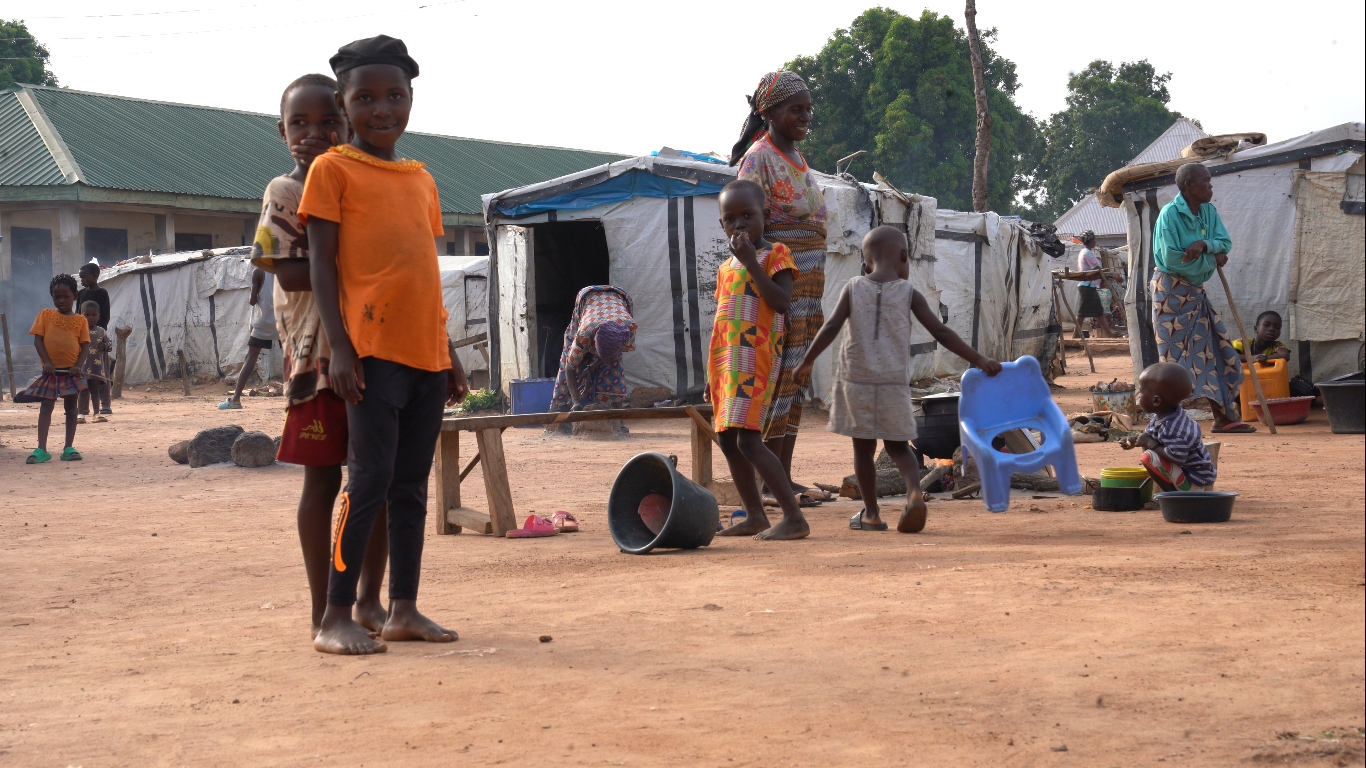
Child Survivors of Violence in Plateau and Benue States
Muslim and Christian Leaders Unite for Peace in Plateau
Get Plus234Feed on messaging apps
Same headlines, delivered where you already scroll.


