

US-Iran Conflict: Impacts on Nigeria's Oil Economy

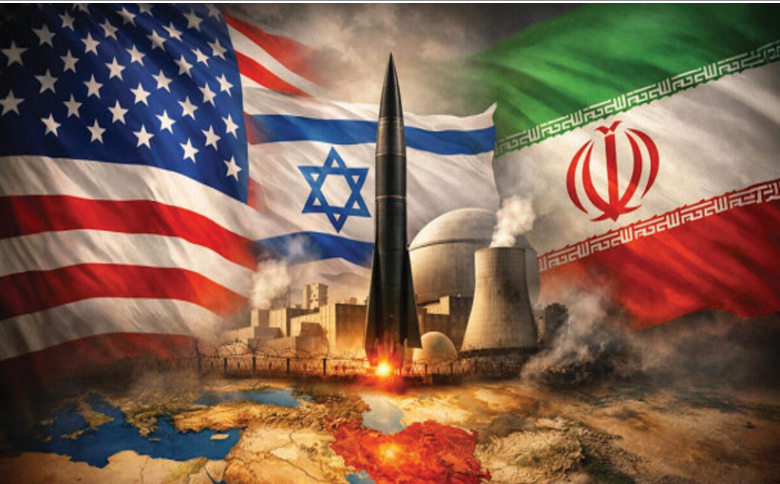
The article discusses the implications of the US-Iran conflict on Nigeria's economy, particularly regarding oil prices. As tensions in the Middle East escalate, the risk of supply disruptions around the Strait of Hormuz is pushing crude oil prices higher.
This situation could provide Nigeria, Africa's largest crude producer, with a significant fiscal boost, as higher oil prices strengthen government revenue and improve foreign exchange earnings. However, Nigeria faces structural challenges, including difficulties in meeting OPEC production quotas due to operational disruptions and oil theft.
While rising oil prices could enhance cash flow for Nigerian oil companies, the domestic economy remains vulnerable to global shocks. Additionally, the country struggles with high costs for petroleum products, which could lead to inflation and weaken household purchasing power.
The Dangote Petroleum Refinery is positioned to reshape Nigeria's downstream landscape by reducing dependence on imported refined products, but analysts caution that local prices will still be influenced by global market trends.
Plus234Feed summary based on reporting from This Day. Read the original report below.
Read full article
Continue on This Day
Get the week in one email
Top stories, NPFL results, the naira — every Friday morning. Free, one email a week.
Related Stories
Israel-Iran Conflict Triggers Economic Strain in Nigeria

US Strikes on Iran: Impacts on Nigeria's Economy

Nigeria Faces Fuel Price Hike Amid US-Iran Tensions
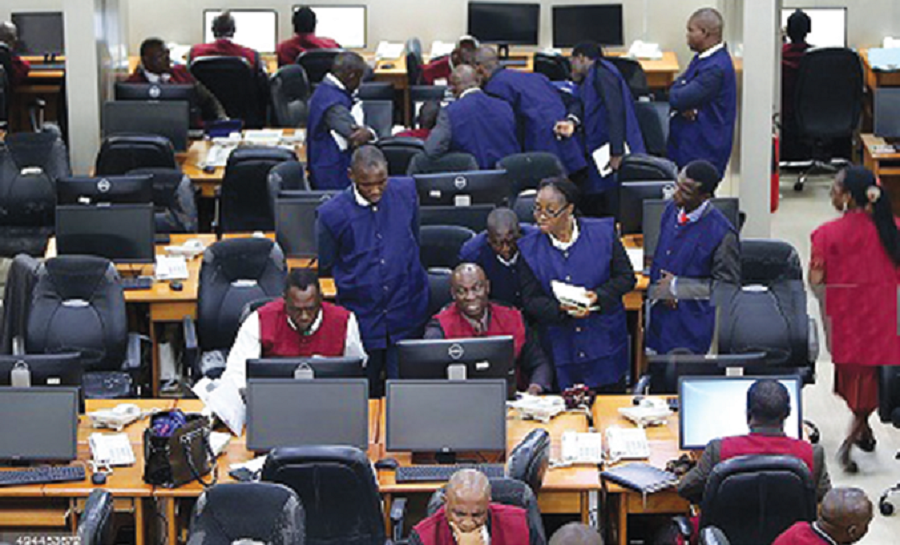
US-Iran Tensions Drive Oil Prices and Impact Nigeria's Market
Nigeria's Manufacturing Sector Struggles Amid Oil Disruptions
US-Iran Talks Collapse Threatens Nigeria's Fuel Prices
Get Plus234Feed on messaging apps
Same headlines, delivered where you already scroll.


