

US Strikes on Iran: Impacts on Nigeria's Economy

The US strikes on Iran, reported on February 28, 2026, are anticipated to have significant implications for the global economy, particularly affecting Africa and Nigeria. Iran is a major crude oil exporter, and the control of the Strait of Hormuz, a critical maritime route for approximately 20% of the world's petroleum shipments, is crucial.
Following the attacks, the Strait was immediately closed, leading to an expected increase in crude oil transport prices from the Middle East. This situation is likely to result in a spike in energy prices, which will affect Nigeria's economy as it imports crude oil.
The Dangote refinery, which relies on these imports, will face higher costs without any subsidies from the US. While the budget deficit may not be directly affected, the inflationary pressures from increased energy costs could dampen consumer spending.
Additionally, foreign direct investment in Nigeria may see a pullback due to the uncertainty, while countries like Kenya and South Africa may attract significant FDI interest amidst these developments.
Plus234Feed summary based on reporting from Nairametrics. Read the original report below.
Read full article
Continue on Nairametrics
Get the week in one email
Top stories, NPFL results, the naira — every Friday morning. Free, one email a week.
Related Stories

US-Iran Conflict: Impacts on Nigeria's Oil Economy
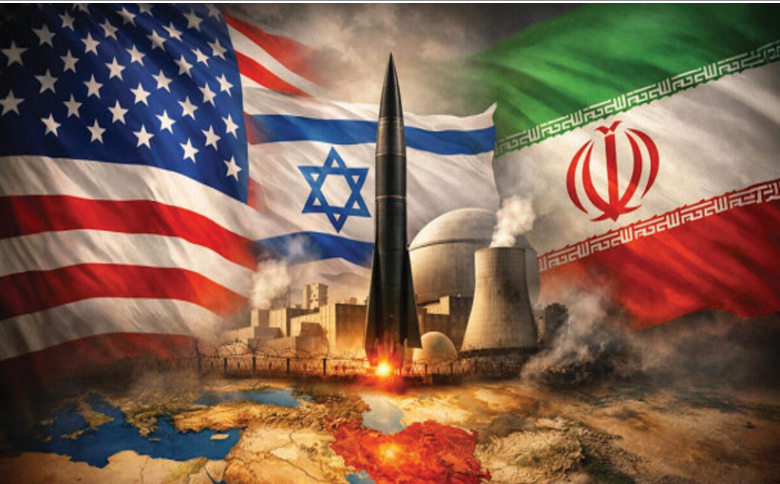
Israel-Iran Conflict Triggers Economic Strain in Nigeria
Iran Conflict Drives Inflation and Oil Prices in Nigeria
Oil Prices Drop as Trump Halts Strikes on Iran

Nigeria Faces Fuel Price Hike Amid US-Iran Tensions
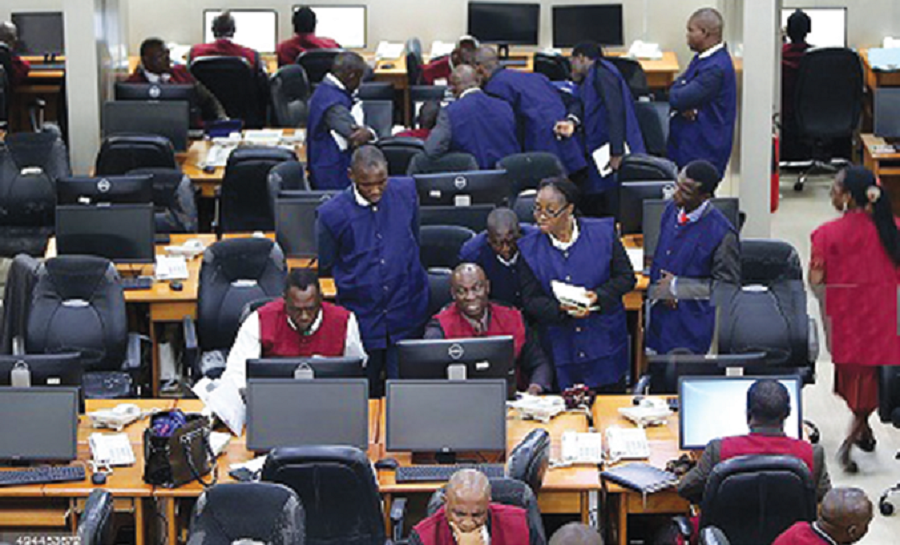
US-Iran Tensions Drive Oil Prices and Impact Nigeria's Market
Get Plus234Feed on messaging apps
Same headlines, delivered where you already scroll.


