

US-Israel-Iran Conflict Escalates, Impacting Nigeria's Economy

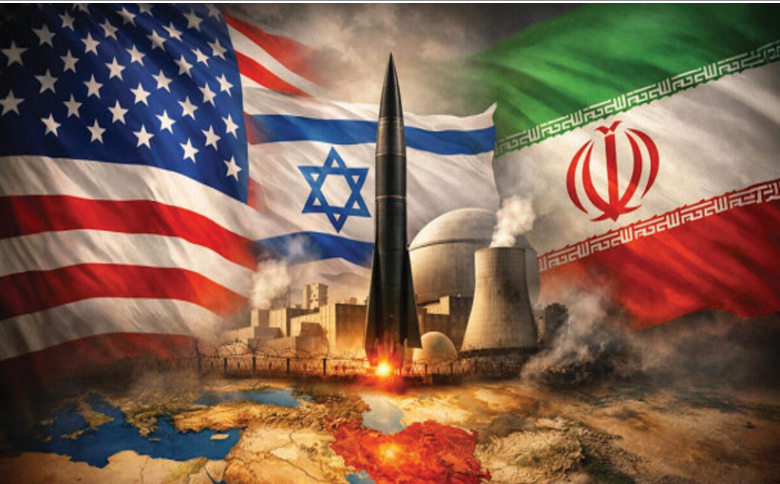
The article discusses the escalating conflict between the United States, Israel, and Iran, which began with coordinated military strikes on Iranian targets on February 28, 2026. The situation quickly deteriorated, resulting in a full-scale regional crisis with significant civilian casualties, including 1,500 reported deaths in Iran and 1,000 in Lebanon.
The conflict intensified on March 13, when the United States launched a significant strike on Kharg Island, a crucial hub for Iranian oil exports. This military action disrupted a substantial portion of Iran's gas production and led to retaliatory actions from Iran, particularly in the Strait of Hormuz, which is vital for global oil supply.
The economic repercussions have been severe, with petrol prices in Nigeria soaring from 730-880 naira per liter to between 1,270-1,400 naira within a week, highlighting Nigeria's vulnerability despite being an oil-producing country. The article emphasizes the interconnectedness of global markets and the human cost of the conflict.
Plus234Feed summary based on reporting from Blueprint. Read the original report below.
Read full article
Continue on Blueprint
Get the week in one email
Top stories, NPFL results, the naira — every Friday morning. Free, one email a week.
Related Stories
Israel-Iran Conflict Triggers Economic Strain in Nigeria

US-Iran Conflict: Impacts on Nigeria's Oil Economy
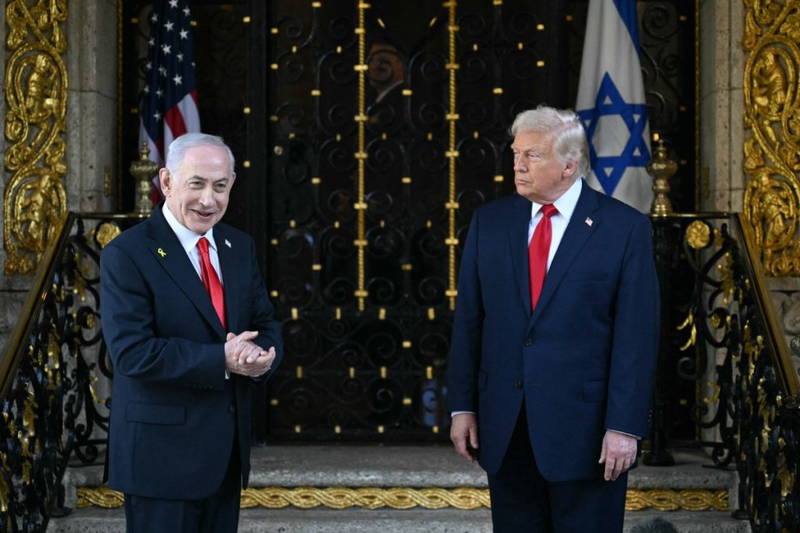
U.S. and Israeli Attacks on Iran Escalate Tensions
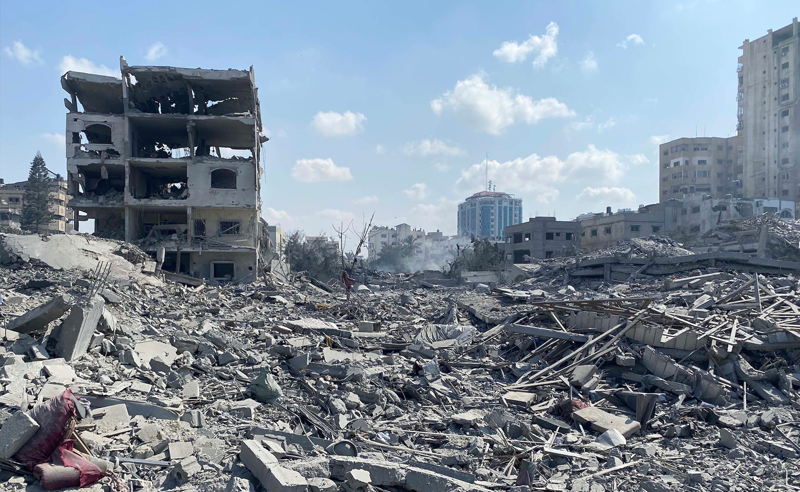
Urgent Call for De-escalation in US-Iran Conflict
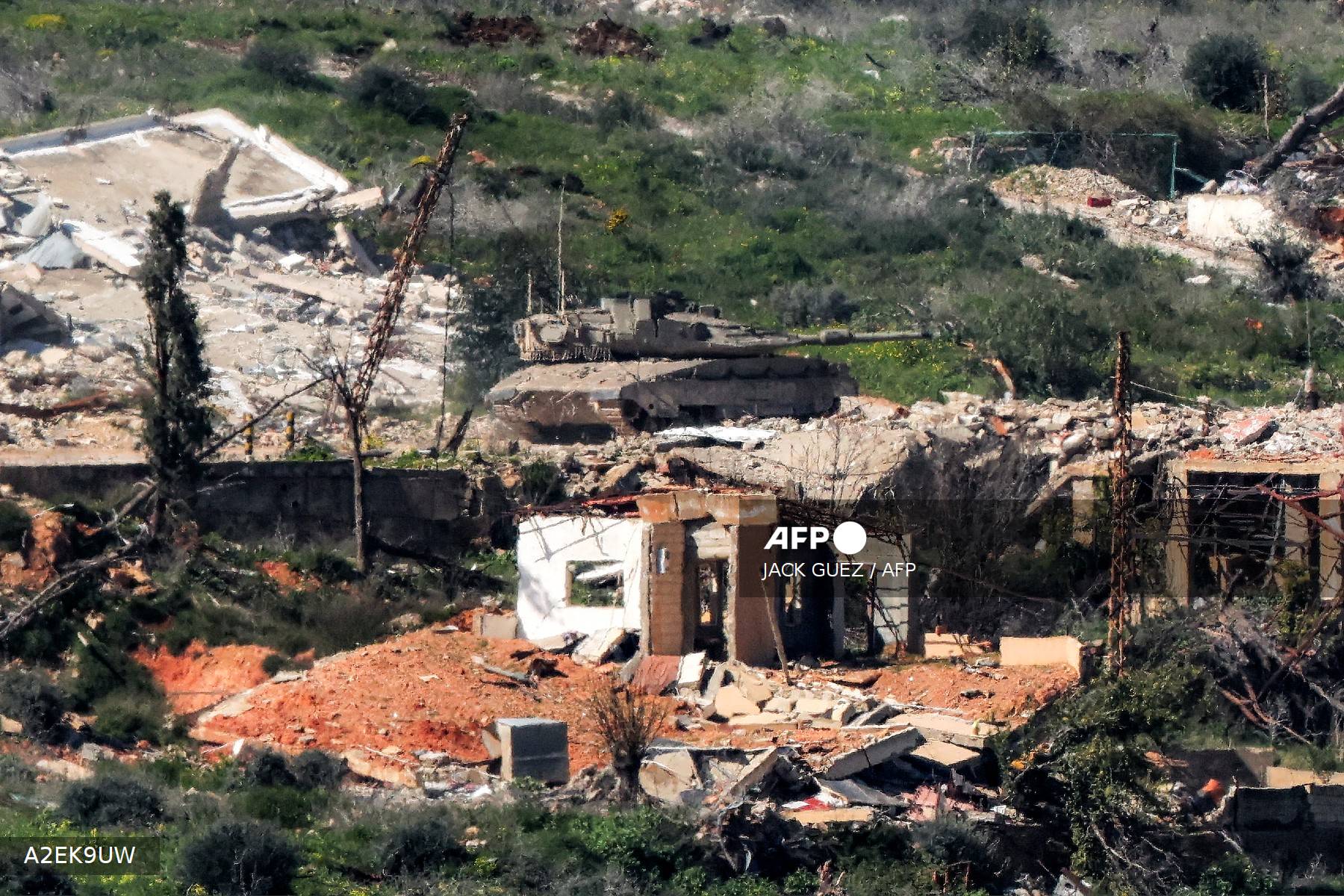
Iran's Drone Strikes on Bahrain Escalate Middle East Tensions

Iran-Israel Conflict Escalates with Drone Strikes and Casualties
Get Plus234Feed on messaging apps
Same headlines, delivered where you already scroll.


