

Nigeria Faces Reform Fatigue Amid Economic Changes

The article addresses the economic reforms initiated by President Bola Tinubu's administration, aimed at dismantling longstanding inefficiencies and restoring macroeconomic stability. Tinubu's administration has taken bold steps, including ending fuel subsidies and resetting foreign exchange rates, to achieve inclusive growth.
Wale Edun, the Minister of Finance and Coordinating Minister of the Economy, emphasized the long-term benefits of these reforms during the recent International Monetary Fund and World Bank spring meetings. However, there is growing sentiment of reform fatigue among Nigerians, who are increasingly questioning the sacrifices they are making for long-term gains.
The article notes that Nigeria's public debt has risen to approximately N159.28 trillion, raising concerns about the government's reliance on borrowing despite the removal of subsidies. Former Central Bank Governor Sanusi Lamido Sanusi criticized the government's continued borrowing, questioning the rationale behind it.
The article concludes by highlighting the potential risks of reform fatigue, which could undermine the progress already made.
Plus234Feed summary based on reporting from This Day. Read the original report below.
Read full article
Continue on This Day
Get the week in one email
Top stories, NPFL results, the naira — every Friday morning. Free, one email a week.
Related Stories

Nigeria's Economic Reforms Under Tinubu: A Critical Analysis

Tinubu's Economic Reforms: Aiming for Stability and Growth
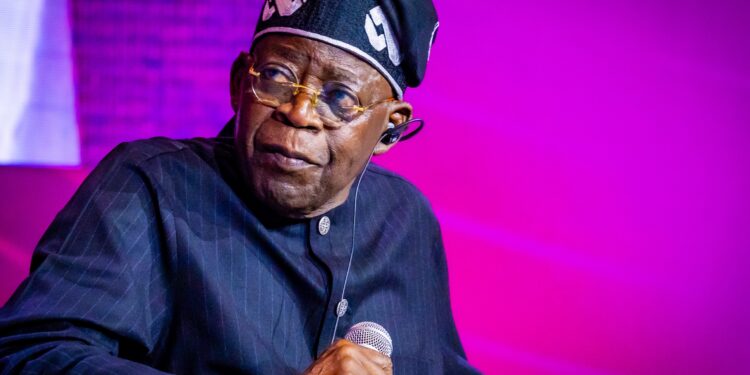
Tinubu's Economic Reforms: Gains and Ongoing Hardships
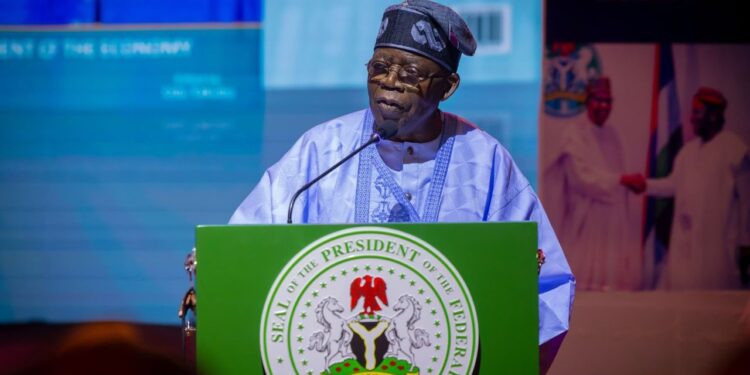
Tinubu Acknowledges Economic Struggles Amid Reforms

Nigeria's Fiscal Reforms: Key to Economic Stability
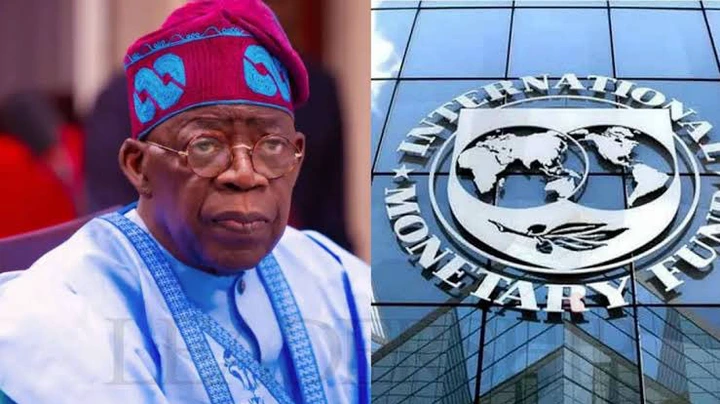
IMF: Tinubu's Reforms Boost Economy, Yet Poverty Soars
Get Plus234Feed on messaging apps
Same headlines, delivered where you already scroll.


