

Agora Policy Explains High Cement Prices in Nigeria Despite Local Production

Agora Policy, a Nigerian policy think tank, delves into the reasons behind the persistently high cement prices in Nigeria despite the country's sufficient production capacity. The analysis reveals that market power failures and weak competition contribute to the price hike, rather than production costs.
Despite Nigeria achieving self-sufficiency in cement production since 2012, the current installed capacity exceeds local demand. Agora Policy highlights the dominance of three major producers in the market, leading to unusually high profit margins, with an average operating profit margin of 49% in September 2025.
The report indicates that the high prices are driven by market power rather than cost pressures, as cement producers enjoy significant profits. Agora Policy also notes that Nigerian cement is often sold at lower prices in export markets due to different tax regulations, creating disparities in pricing strategies.
The report emphasizes the need for reforms to promote competition, address logistical challenges, and enhance oversight to ensure fair pricing and sustainable industry growth.
Plus234Feed summary based on reporting from Legit.ng. Read the original report below.
Read full article
Continue on Legit.ng
Get the week in one email
Top stories, NPFL results, the naira — every Friday morning. Free, one email a week.
Related Stories
Agora Policy Analysis Reveals Market Power Driving High Cement Prices in Nigeria

Nigerian Cement Sector Faces Challenges with High Prices, Calls for Policy Intervention

Dangote Blames High Taxes for Cost Disparity in Nigerian Cement Market
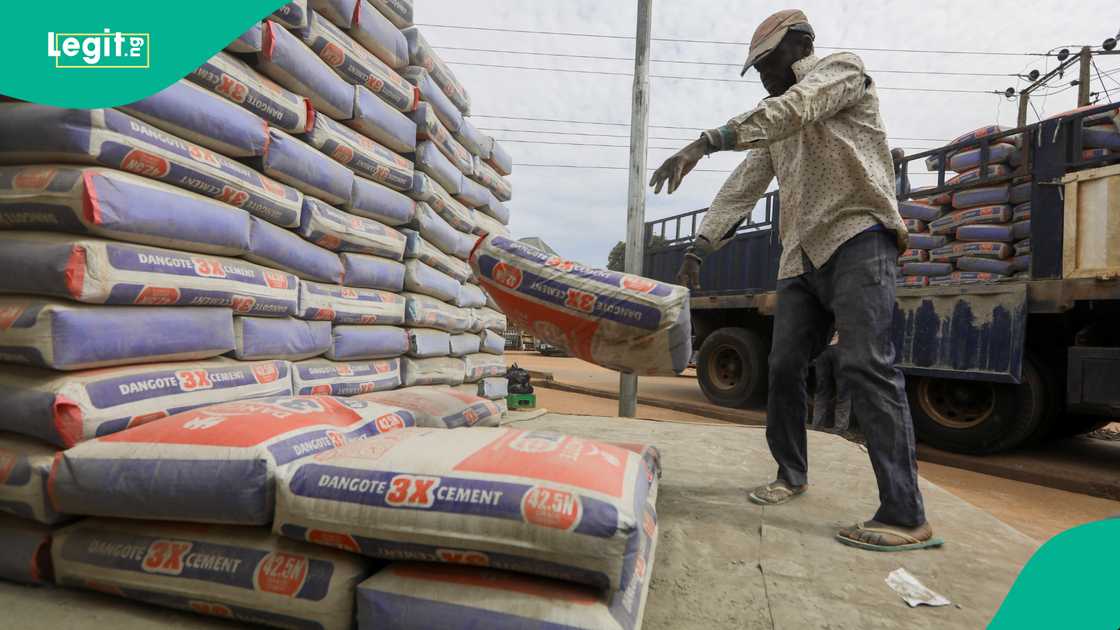
Dangote Explains Discrepancy in Cement Prices, Government Urges Lowering Costs
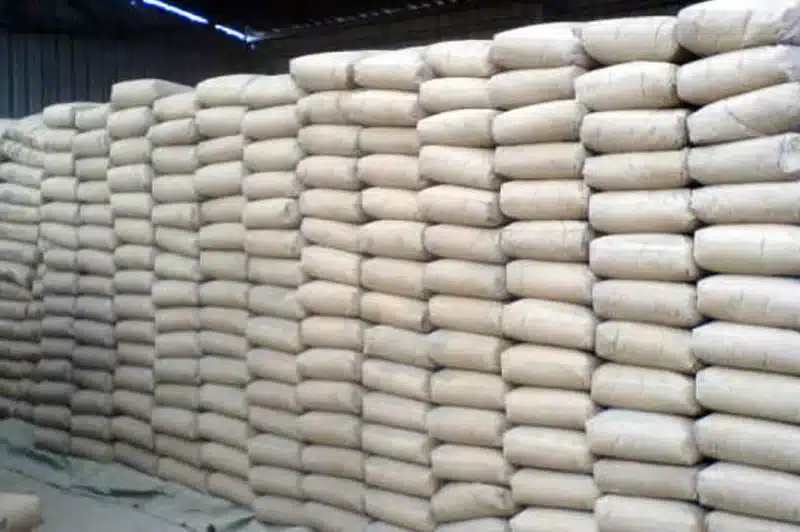
Rising Cement Prices in Nigeria: Causes and Impact
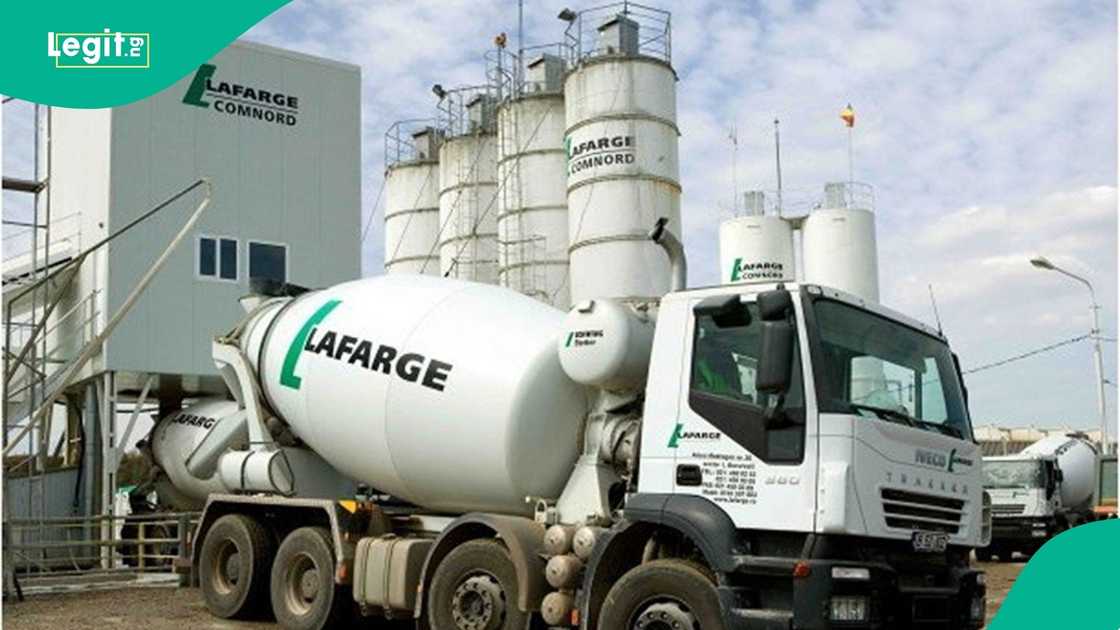
Lafarge Africa Expands Cement Capacity in Nigeria, Cement Prices Expected to Drop
Get Plus234Feed on messaging apps
Same headlines, delivered where you already scroll.


