

Executive Order 9's Threat to Nigeria's Oil Sector

The article discusses the potential adverse effects of Executive Order 9, issued by President Bola Ahmed Tinubu, on Nigeria's oil and gas sector. It highlights concerns that the order may misinform the public and discourage investment in the deep-water oil industry, which has already seen a decline due to previous government actions.
The order is criticized for undermining the Petroleum Industry Act (PIA) of 2021, which was designed to stabilize the sector. It may hinder the Nigerian National Petroleum Corporation (NNPC)'s ability to fulfill its energy security mandate and manage obligations related to royalties and taxes.
The article emphasizes that the order could render existing agreements, such as Production Sharing Contracts (PSCs) and Gas Development Agreements (GDAs), ineffective, thereby threatening the stability of the oil industry and investor confidence. The NNPC's role in borrowing on behalf of the government and its financial obligations are also discussed, indicating that the executive order could complicate these arrangements.
Plus234Feed summary based on reporting from This Day. Read the original report below.
Read full article
Continue on This Day
Get the week in one email
Top stories, NPFL results, the naira — every Friday morning. Free, one email a week.
Related Stories

Tinubu's Executive Order 9 Enhances Oil Revenue Transparency

Tinubu's Executive Order 9 on Oil Revenue Explained

Tinubu's EO9 on Oil Revenue Defended by Presidency
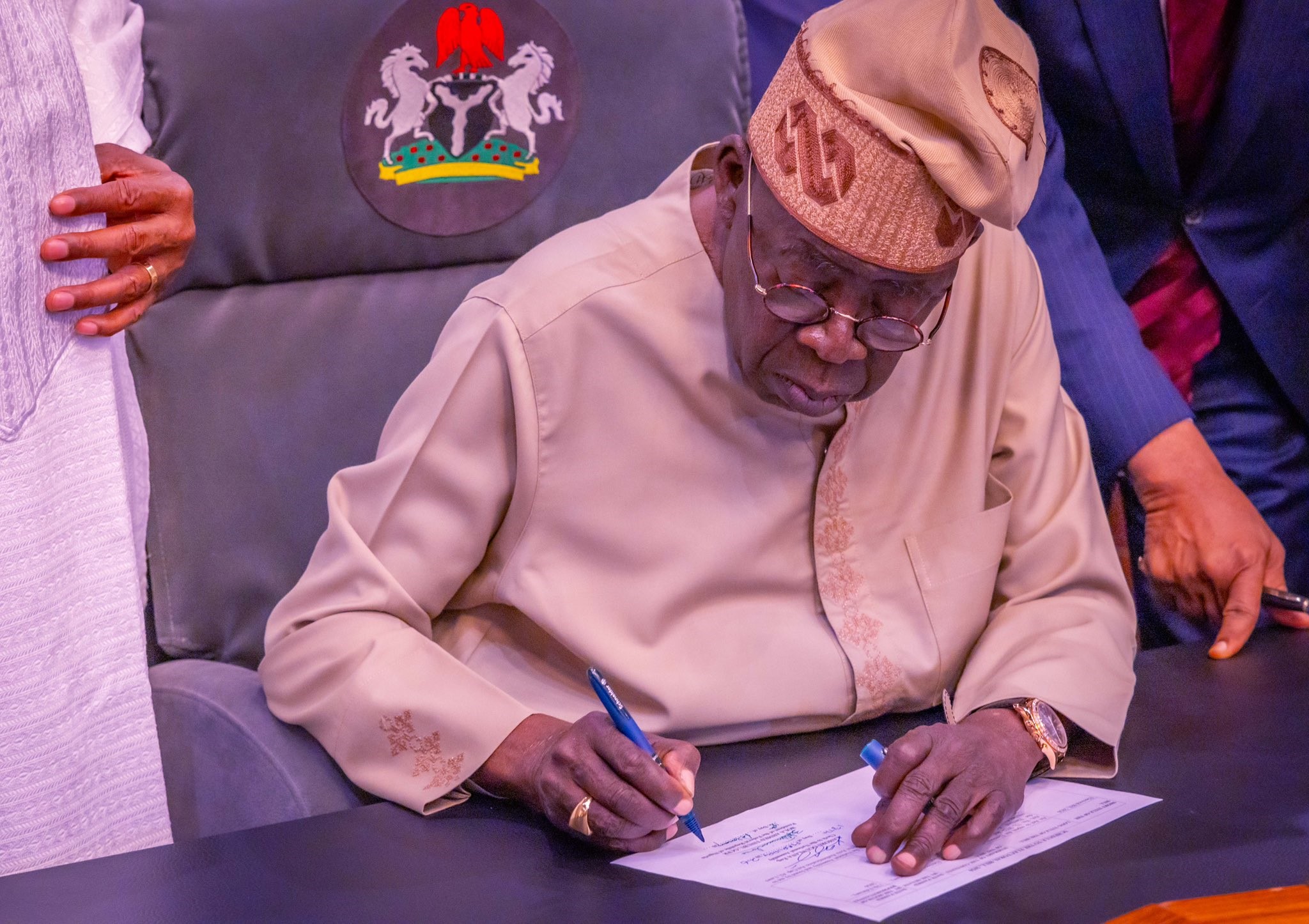
Tinubu's Executive Order 9 Upholds Revenue Management

Tinubu's Executive Order Redirects Oil Revenue to Federal Account
Tinubu's Order Halts N2.1tn NNPC Deductions, Sparks Debate
Get Plus234Feed on messaging apps
Same headlines, delivered where you already scroll.


