

Governors as De Facto Party Leaders in Nigeria

The article examines the emergence of governors as the de facto leaders of political parties in Nigeria since the commencement of the Fourth Republic in 1999. Although this arrangement is not explicitly stated in the 1999 constitution, it has evolved through political convention.
Governors, as chief executives of their states, wield considerable power, including financial control and political influence, which positions them as central figures in party leadership. This dynamic has led to a situation where once a governor joins a political party, they naturally assume leadership of that party at the state level.
The article notes that this trend has resulted in a more centralized executive authority for governors, contrasting with earlier republican experiences where governors did not automatically lead parties. The role of governors is crucial for party survival and electoral success, as they serve as a bridge between national party leadership and grassroots political actors.
This reality reflects the evolving political landscape in Nigeria and raises questions about the impact on internal party democracy.
Plus234Feed summary based on reporting from Blueprint. Read the original report below.
Read full article
Continue on Blueprint
Get the week in one email
Top stories, NPFL results, the naira — every Friday morning. Free, one email a week.
Related Stories
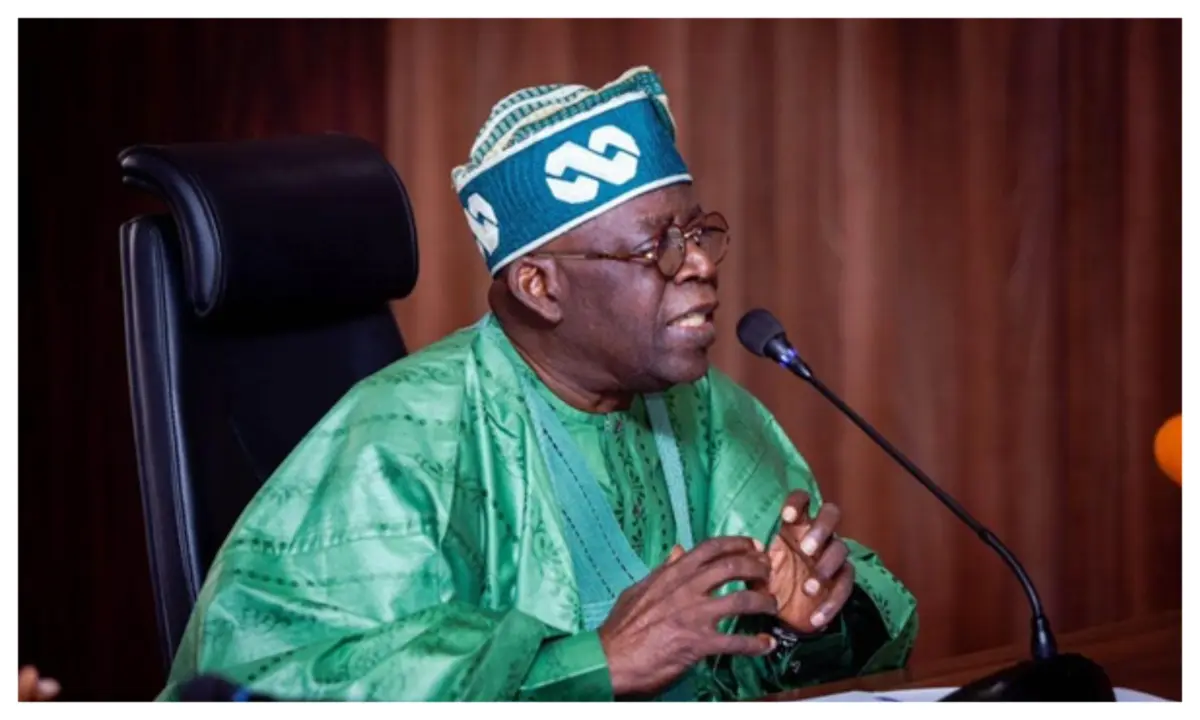
Tinubu Declares APC Governors as Party Leaders in States, Emphasizes Unity in Taraba
Adebayo Advocates for Change in Nigeria's Political Landscape
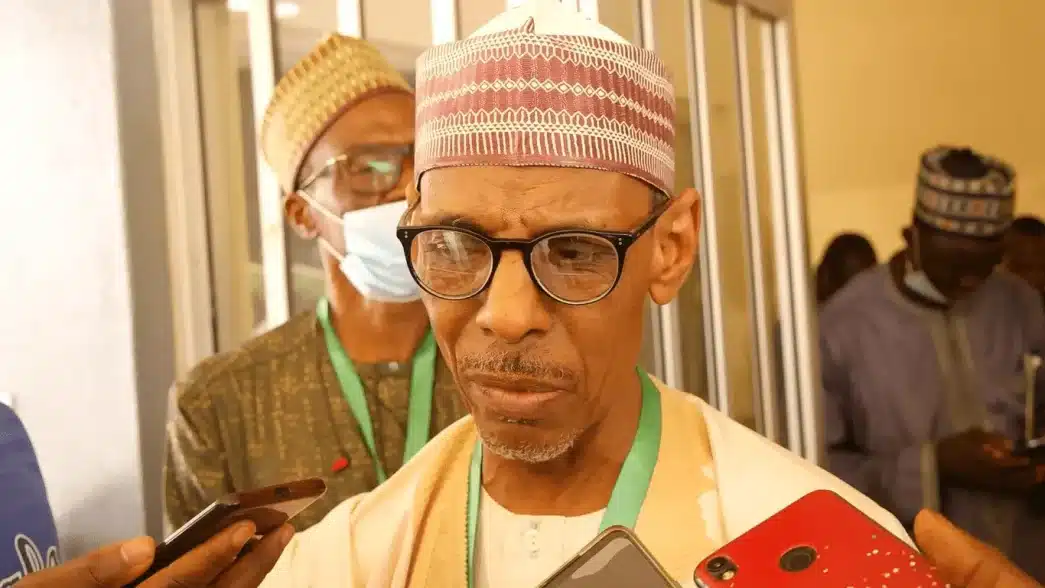
Baba-Ahmed: Governors and Senators Defecting to APC, Sign of Political Dominance in Nigeria

PDP Chieftain Critiques Governors' Control Over Party
Political Defections Disrupt Governance in Nigeria

Understanding Political Party Membership in Nigeria
Get Plus234Feed on messaging apps
Same headlines, delivered where you already scroll.


