
Nigeria Faces Severe Food Insecurity Challenges in 2026
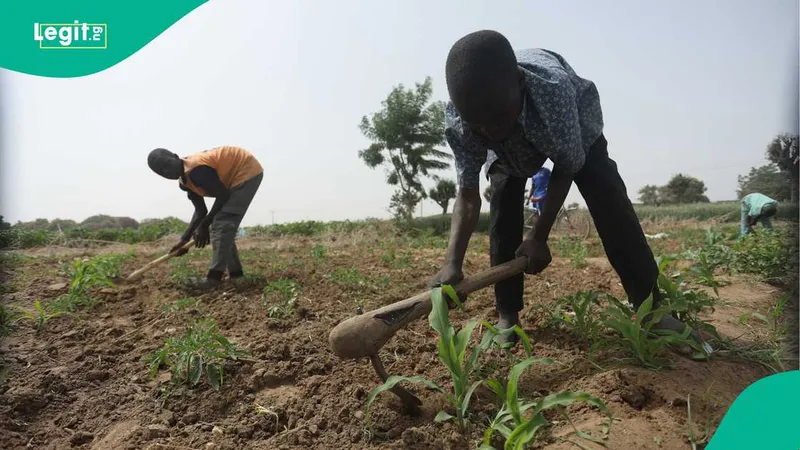
On World Food Day, Nigeria's food self-sufficiency is critically assessed, revealing significant challenges. Farmers face high costs, with a bag of fertilizer priced at N45,000 to N50,000, while maize sells for N22,000 to N23,000.
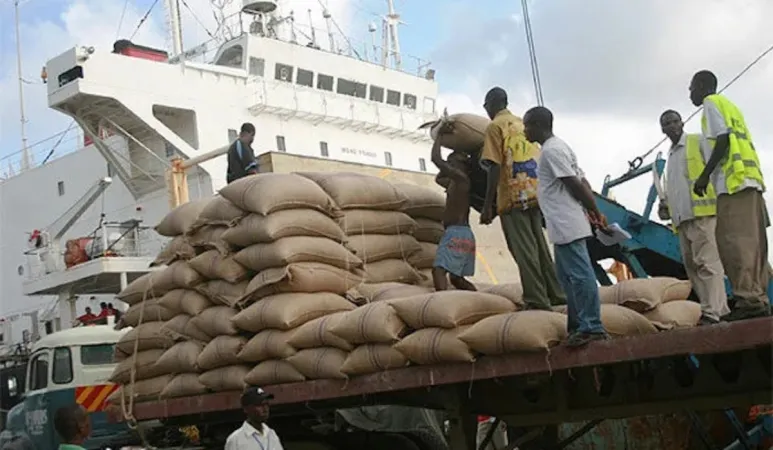
The country imported about 10.1 million tonnes of grain in the 2025/2026 marketing year, costing $2.34 billion. The waiver on duties for various grains cost the government over N188 billion in revenue.
The Rice Processors Association reports that about 90 of Nigeria's more than 150 rice mills have shut down, with the remaining operating at only 30 to 70 percent capacity. Security issues, including attacks and kidnappings in several states, have displaced farmers and hindered access to farmland.
The World Food Programme could assist only 72,000 people in February, a significant drop from 1.3 million in the previous lean season. Despite Agriculture and Food Security Minister Abubakar Kyari's claims of a 50 percent drop in food prices, farmers and economists argue that cheaper inputs, irrigation, storage, credit, and security are essential for improvement.
Plus234Feed summary based on reporting from Leadership Newspaper. Read the original report below.
Read full article
Continue on Leadership Newspaper
Get the week in one email
Top stories, NPFL results, the naira, every Friday morning. Free, one email a week.
Related Stories

Nigeria's Food Security Crisis: 34.7 Million Affected

Nigeria's Food Security Crisis: Climate Change and Waste Issues
AGRA Reports 36.3 Million Nigerians in Food Crisis
Nigeria's Food Import Bill Hits N3.30 Trillion in H1 2026

Niger Governor Bago Addresses $3 Billion Food Imports

34.8 Million Nigerians Face Food Insecurity Ahead of 2027 Elections
Get Plus234Feed on messaging apps
Same headlines, delivered where you already scroll.