
Comprehensive History of the Ballon d'Or Award
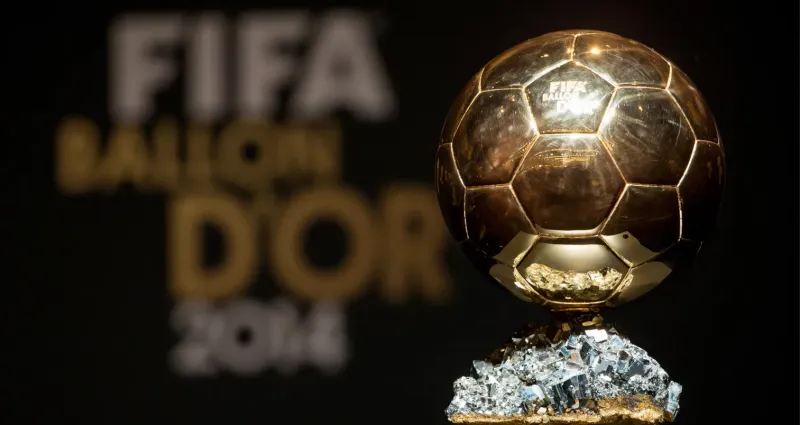
The Ballon d’Or has been awarded annually since 1956, chronicling football's greatest individual performers, starting with Stanley Matthews as the inaugural winner. Initially restricted to European players, the eligibility criteria changed in 1995, allowing players of any nationality playing for European clubs to compete, leading to George Weah becoming the first African and non-European winner.
In 2007, the award became global, extending eligibility beyond European clubs. Between 2010 and 2015, the award was known as the FIFA Ballon d’Or due to a partnership with FIFA, during which Lionel Messi won four consecutive awards from 2010 to 2012, followed by Cristiano Ronaldo in 2013 and 2014.
France Football resumed control in 2016. The Ballon d’Or Féminin was introduced in 2018, with Ada Hegerberg as the first winner.
In 2022, the evaluation period shifted from a calendar year to a season-based assessment. Since 2024, UEFA and Groupe Amaury co-organize the ceremony.
Plus234Feed summary based on reporting from Punch Newspapers. Read the original report below.
Read full article
Continue on Punch Newspapers
Get the week in one email
Top stories, NPFL results, the naira, every Friday morning. Free, one email a week.
Related Stories

Ballon d’Or 2026: Criteria for Winner Selection Revealed

2026 Ballon d'Or Nominees Announced Ahead of Ceremony

2026 Ballon d’Or Nominees Announced for Football Awards

Ballon d'Or Introduces B.O.A.T. Award for Legends

2026 Ballon d’Or Nominees Announced Ahead of Ceremony

Ballon d’Or Organizers Enforce Strict Winner Confidentiality
Get Plus234Feed on messaging apps
Same headlines, delivered where you already scroll.