

Nigeria's Cost of Living Crisis: The Impact of Subsidy Removal
The article discusses the economic conditions in Nigeria, focusing on the impact of the Federal Government's removal of the petroleum subsidy and the floating of the naira. These changes have led to a sharp rise in the real cost of living, which has not been adequately addressed in discussions about economic stability and growth.
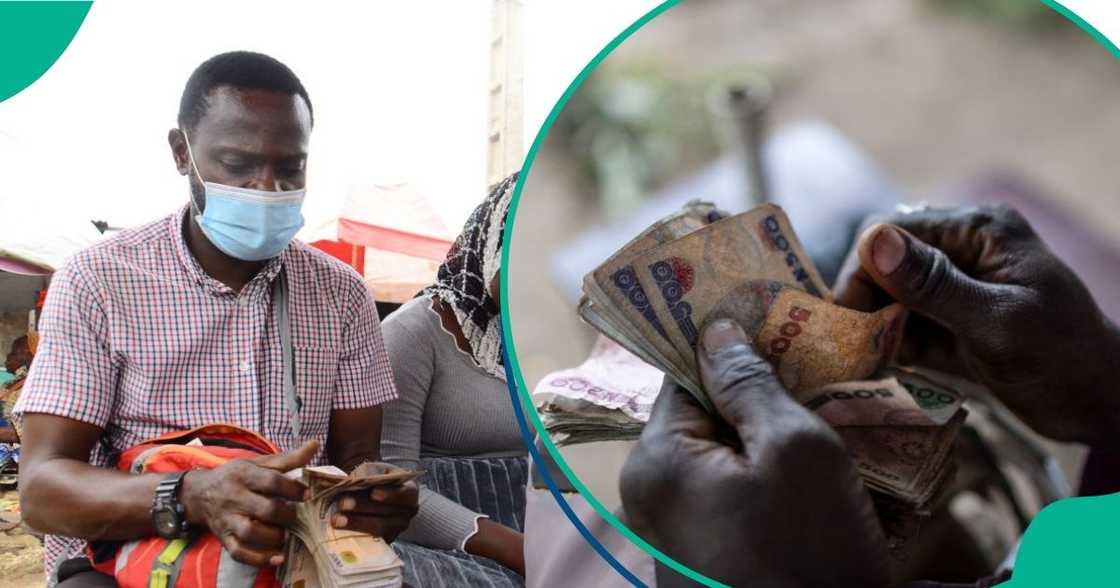
At Nigeria's minimum wage of ₦70,000 per month, comparisons with fuel prices in other countries are misleading without considering local economic contexts, such as income levels and public services. The article argues that while nominal prices may seem lower in Nigeria, the affordability of fuel and other essentials is heavily influenced by logistics costs and the informal economy, which lacks the protections of larger formal businesses.
The removal of subsidies has intensified economic imbalances, particularly affecting those in the informal sector, which is a significant source of employment and income in Nigeria.
Plus234Feed summary based on reporting from Premium Times. Read the original report below.
Read full article
Continue on Premium Times
Enjoy this article?
Get the weekly Nigerian roundup — top stories, NPFL, naira. One email, Sunday morning.
Related Stories
Nigeria's Fuel Prices Surge Post-Subsidy Removal
Nigeria's ₦70,000 Minimum Wage vs. Global Standards

Nigeria's Baby Care Costs Exceed Annual Earnings

Nigeria's Minimum Wage Ranks 151st Globally at $0.25
Nigerians Struggle with Rising Costs Ahead of Elections
Retiring Pension Chief Calls for Living Wage in Nigeria
Get Plus234Feed on messaging apps
Same headlines, delivered where you already scroll.


