

Biotechnology Advocates Push for Food Security in Nigeria

Experts in biotechnology emphasize its critical role in stabilizing Nigeria's food system amid challenges such as climate change, pest infestations, and a rapidly growing population. Prof. Charl Adetunji highlights the application of biotechnology to develop climate-smart crops, including drought-tolerant maize and rice varieties that require less water.
This innovation is crucial as Nigeria faces unpredictable rainfall and increasing soil salinity. Additionally, biotechnology aids in biofortification, enhancing the nutritional value of staples like cassava to combat micronutrient deficiencies in rural communities.
The use of molecular markers accelerates the identification and breeding of high-yield traits compared to traditional methods. Dr. Rose Gidado notes that Nigeria was the first country to release genetically modified cowpea resistant to the Maruca pod borer, significantly reducing reliance on expensive toxic pesticides.
Furthermore, the development of maize designed to resist the fall armyworm pest aims to protect corn fields across West Africa, promoting healthier, disease-free crops and enhancing food security.
Plus234Feed summary based on reporting from Blueprint. Read the original report below.
Read full article
Continue on Blueprint
Get the week in one email
Top stories, NPFL results, the naira — every Friday morning. Free, one email a week.
Related Stories

Experts Warn of Protein Supply Crisis in Nigeria

Nigeria's New Agricultural Policy to Stabilize Food Prices
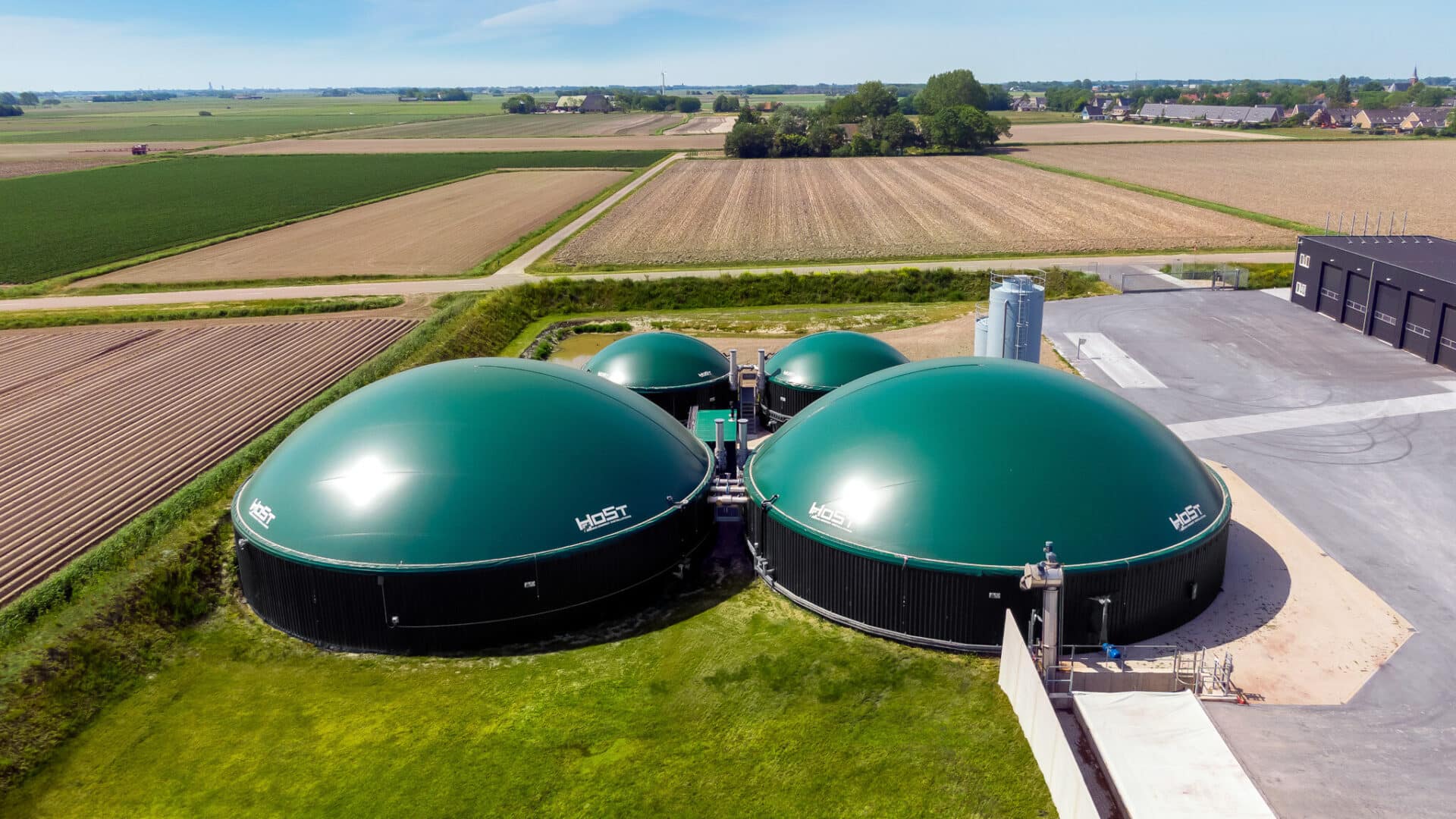
Biogas Technology: A Solution for Nigeria's Energy Crisis
Greenlabs Launches Youth Innovations to Combat Food Insecurity

Nigeria's Food Security Central to Economic Stability
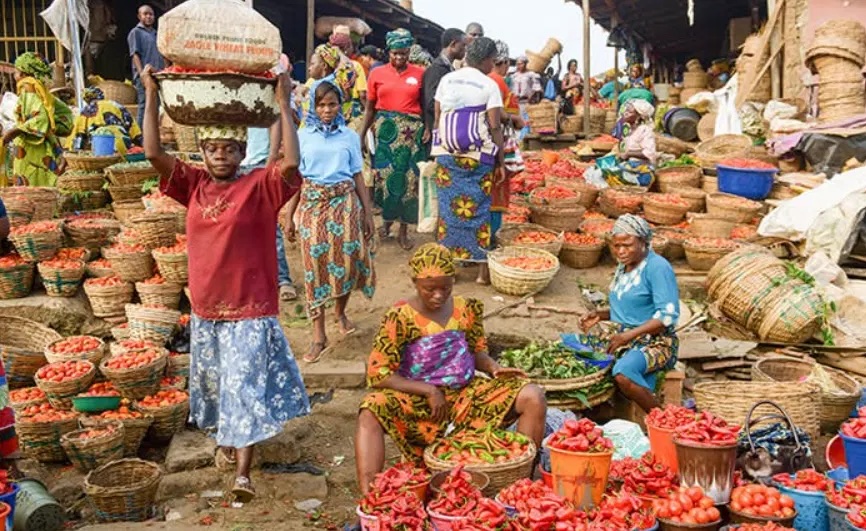
Nigeria's Post-Harvest Crisis Threatens Farmers' Incomes and Food Security
Get Plus234Feed on messaging apps
Same headlines, delivered where you already scroll.


