

Nigeria's New Agricultural Policy to Stabilize Food Prices

The Nigerian government, represented by Stella Oduem, has introduced a comprehensive mix of short, medium, and long-term agricultural policies aimed at stabilizing food prices and boosting local agricultural production. The initiative, highlighted during a recent policy dialogue, focuses on addressing food inflation and supply constraints.
Key strategies include reducing import tariffs on agricultural inputs and providing targeted interventions to support domestic production, particularly for farm inputs and agro-processing. Moham Ibrahim noted that food inflation has dropped from 25% to 14% over the past year, although high input costs remain a challenge.
The National Agricultural Development Fund (NADF) plays a central role in financing policy implementation, supporting thousands of farmers nationwide through various initiatives. Plans include scaling fertilizer distribution to reach 127,000 farmers across 25 states by 2026, with significant investments in ginger production in Kaduna and rice cultivation in Niger State.
The government aims to achieve long-term food sovereignty through these measures.
Plus234Feed summary based on reporting from The Authority. Read the original report below.
Read full article
Continue on The Authority
Get the week in one email
Top stories, NPFL results, the naira — every Friday morning. Free, one email a week.
Related Stories
FG Allocates N250bn for Agriculture and Food Security

Nigeria's Government Prioritizes Food Security Initiatives
Senate Approves National Food Reserve Plan for Nigeria
Nigeria Launches Gender Policy for Inclusive Agrifood Growth
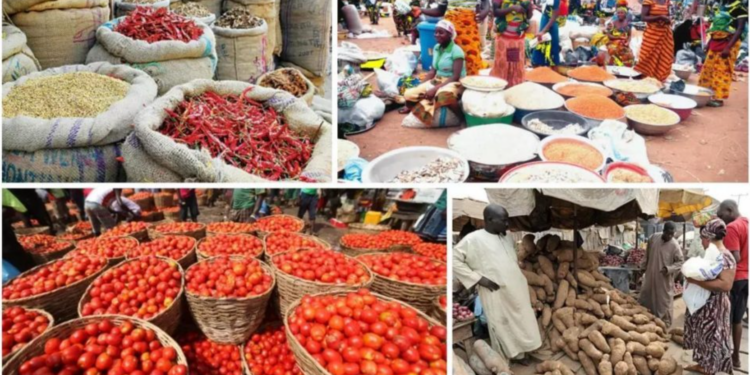
Nigeria's Food Prices Soar Despite N7.65 Trillion Imports
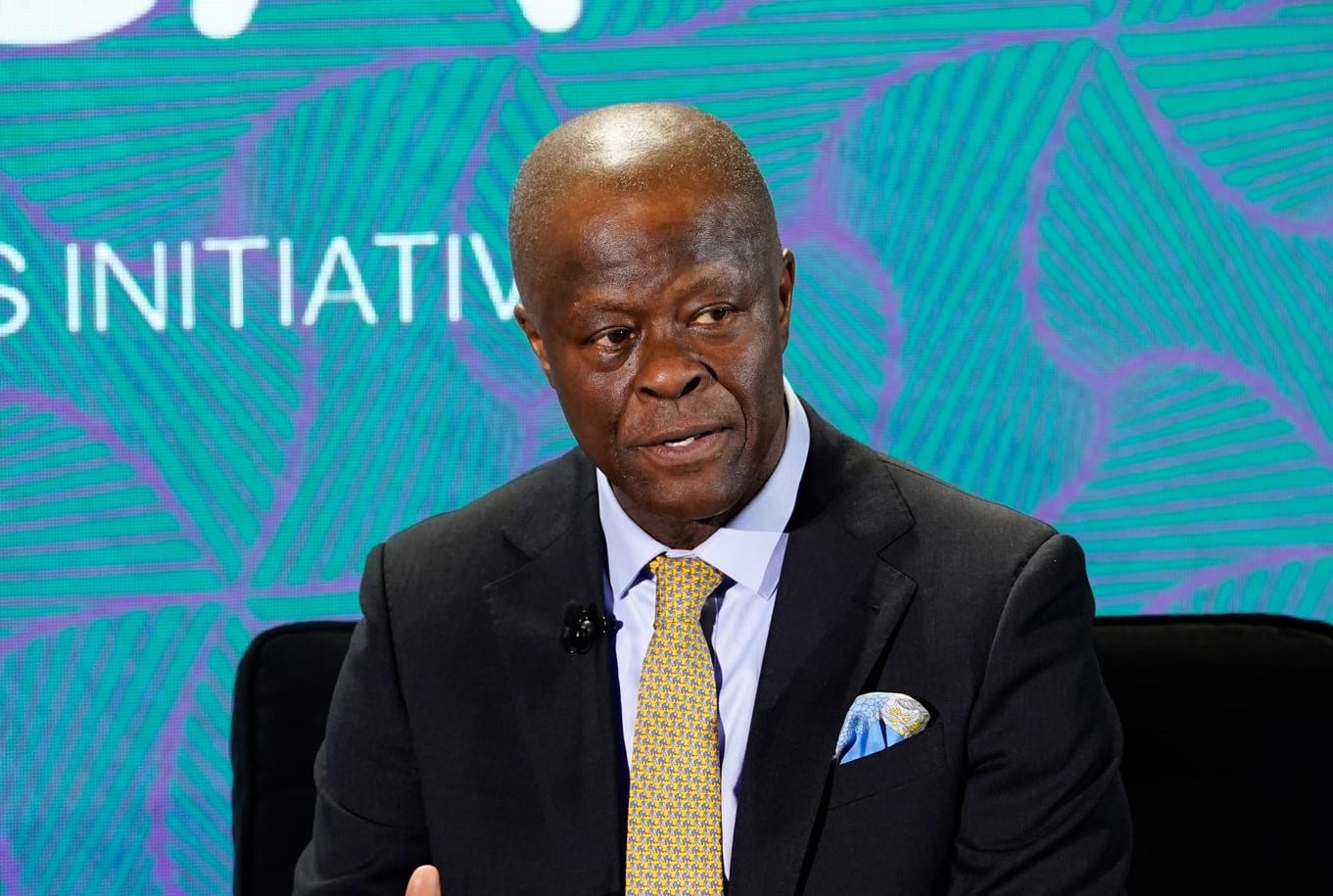
FG Cuts Import Tariffs on Key Goods for 2026 Policy
Get Plus234Feed on messaging apps
Same headlines, delivered where you already scroll.


