

Nigeria's 2023 Fuel Subsidy Reforms and Economic Impact

The article discusses Nigeria's 2023 fuel subsidy reforms initiated by President Bola Ahmed Tinubu, which were intended to address long-standing economic issues. The removal of fuel subsidies, which had previously drained public finances and encouraged corruption, was met with immediate economic shock, including a spike in transport costs by 234% and inflation reaching 34.2%.
Despite the bold reform, Nigeria's economy remains fragile, with public debt soaring to 77 trillion naira and inflation at 22.8%. The reforms included a unified exchange rate, which led to a sharp depreciation of the naira, intensifying the debt burden.
The government plans to utilize savings from subsidy removal for cash transfers and infrastructural investments, but the lack of transparency in these savings raises concerns. The article emphasizes that without effective fiscal discipline and transparency, Nigeria may remain vulnerable to cyclical debt accumulation, similar to other resource-rich emerging economies.
Plus234Feed summary based on reporting from Premium Times. Read the original report below.
Read full article
Continue on Premium Times
Get the week in one email
Top stories, NPFL results, the naira — every Friday morning. Free, one email a week.
Related Stories

Nigeria's Economic Reforms Under Tinubu: A Critical Analysis
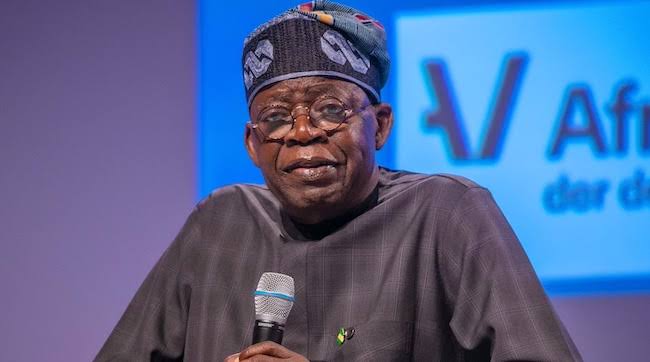
Tinubu's Economic Reforms: A Path to Nigeria's Stability

Tinubu's Economic Reforms: Aiming for Stability and Growth
Tinubu: Fuel Subsidy and Tax Reforms Essential for Economy

Nigeria's Economic Reforms Under Tinubu Amid Dollar Decline
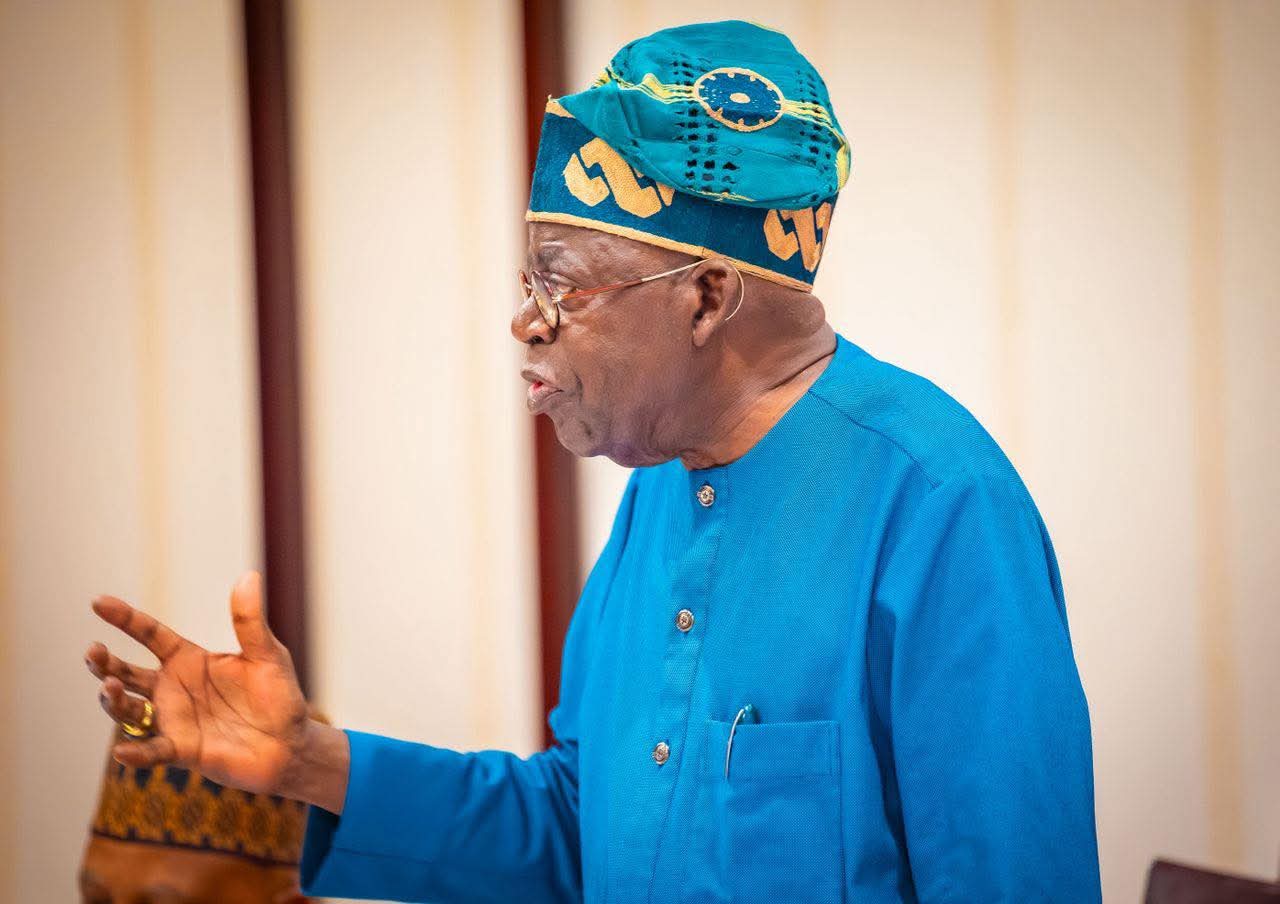
Tinubu's Reforms Boost Nigeria's Real Sector Revenue
Get Plus234Feed on messaging apps
Same headlines, delivered where you already scroll.


