

Nigeria's Capital Projects Receive Just 26% of Loans

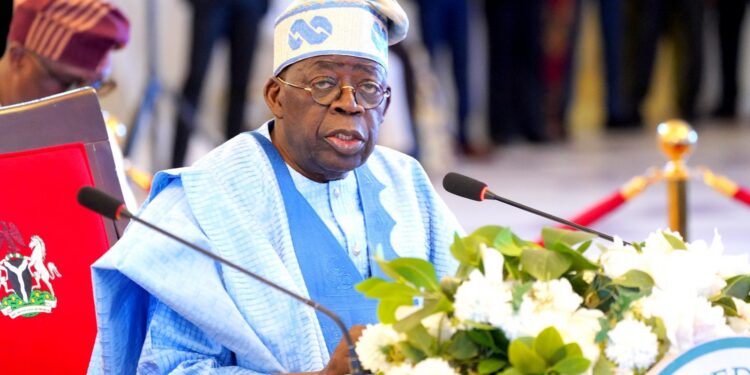
In the first nine months of 2025, the Nigerian federal government spent N3.10 trillion on capital projects, which is only 26.07% of the total debt financing inflow of N11.89 trillion. This inflow included N7.08 trillion from domestic borrowing and N4.81 trillion from multilateral and bilateral project loans.
The actual capital expenditure fell short of the prorated target of N17.58 trillion by N14.48 trillion, indicating a significant gap in infrastructure spending. Notably, there was no recorded expenditure from multilateral and bilateral project loans despite a budget provision of N2.52 trillion for such projects.
The slow pace of project implementation has been attributed to cash management challenges and delays in project execution, raising risks related to project costs. Economists, including Dr. Muda Yusuf and Segun Kadir Ajayi, have expressed concerns about the increasing domestic borrowing crowding out the private sector, while Dr. Tanimu Yakubu emphasized that public borrowing should be a tool for macroeconomic management rather than a sign of fiscal recklessness.
Plus234Feed summary based on reporting from Punch Newspapers. Read the original report below.
Read full article
Continue on Punch Newspapers
Get the week in one email
Top stories, NPFL results, the naira — every Friday morning. Free, one email a week.
Related Stories
Nigeria Borrows N11.89 Trillion, Spends N3.1 Trillion
Senate Approves N2.29tr FCT Budget for 2026
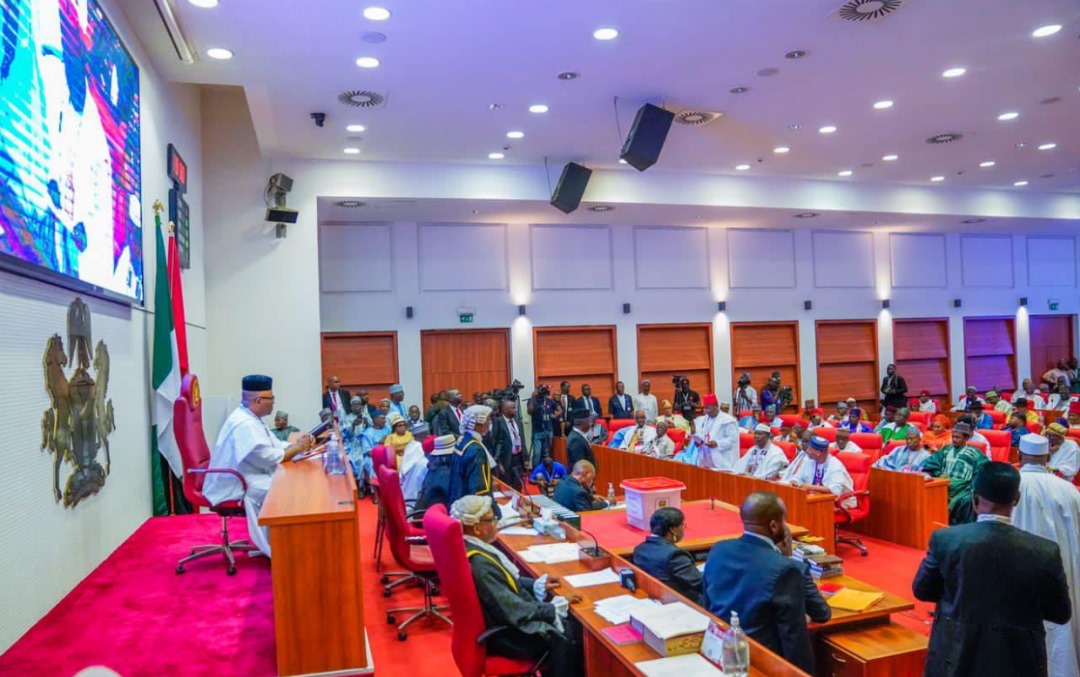
Senate Approves N2.285tn FCT Budget for 2026
FG Debt Repayments Exceed Budget by Nearly N2 Trillion
Nigeria's Debt Servicing Hits 67% of Revenue in 2025
FG Seeks N720bn to Improve Nigeria's Health Sector Funding
Get Plus234Feed on messaging apps
Same headlines, delivered where you already scroll.


