

Nigeria's Economy at Risk Amid Middle East Crisis

The Federal Government of Nigeria may recalibrate its economic policies in response to the escalating crisis in the Middle East, which is beginning to transmit shocks to Nigeria's economy, particularly in the energy market and capital flows. A statement released on Tuesday by the Federal Ministry of Finance indicated that they are closely tracking the evolving crisis involving the United States, Israel, and Iran.
The situation has introduced fresh volatility into global commodity and financial markets. Mr. Wale Edun, the Minister of Finance, is leading an economic management team to evaluate the potential implications of the crisis on Nigeria's fiscal and macroeconomic outlook.
The team has identified three major channels through which the crisis could exert economic pressure on Nigeria: rising crude oil prices affecting domestic costs, heightened geopolitical risks impacting capital inflows, and disruptions in global supply chains leading to inflationary pressures. The government intends to safeguard Nigeria's economic stability and maintain growth trajectories through proactive measures.
Plus234Feed summary based on reporting from Nairametrics. Read the original report below.
Read full article
Continue on Nairametrics
Get the week in one email
Top stories, NPFL results, the naira — every Friday morning. Free, one email a week.
Related Stories

Nigeria Adjusts Economic Policies Amid Middle East Crisis
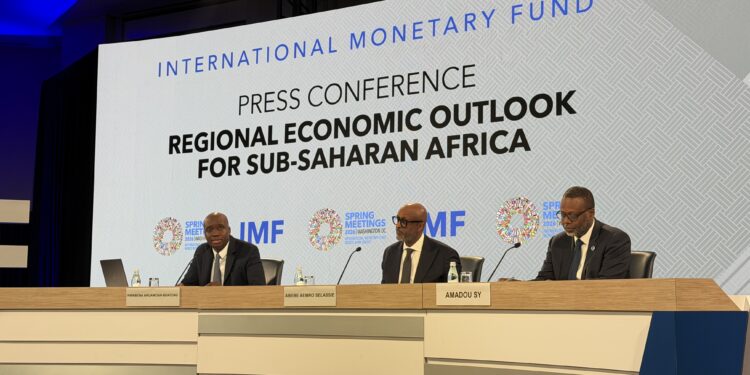
IMF Urges Nigeria to Implement Targeted Economic Reforms
Nigeria's Economy Faces Challenges Amid Middle East Crisis
Nigeria Issues Safety Advisory for Citizens in Middle East

Middle East Crisis May Boost Nigeria's Oil Revenue
Fitch Raises Nigeria's Inflation Forecast to 15.5% by 2026
Get Plus234Feed on messaging apps
Same headlines, delivered where you already scroll.


