

Nigeria's Oil Swaps and Subsidies Drain Billions
Nigeria's economy faces significant challenges despite its vast crude oil reserves, largely due to two controversial arrangements: crude oil swap deals and a fuel subsidy regime. The crude oil swap agreements, which involve supplying crude oil to international traders in exchange for refined petroleum products, have been criticized for lacking transparency and resulting in Nigeria receiving less value for its resources.
Investigations by the Nigeria Extractive Industries Transparency Initiative (NEITI) and legislative inquiries have uncovered that the value of refined products returned to Nigeria often falls short of the actual market value of the crude oil supplied. Additionally, the fuel subsidy system, designed to keep petrol affordable, has led to widespread corruption, with allegations of inflated import volumes and fraudulent claims.
Reports indicate that Nigeria spent approximately $16 billion on fuel subsidies in a single year, with total expenditures from 2005 to 2022 estimated at $100 billion. This mismanagement has diverted funds that could have been used for infrastructure and social services, highlighting the paradox of Nigeria being Africa's largest crude oil producer while still importing refined petroleum.
Plus234Feed summary based on reporting from News Online Nigeria. Read the original report below.
Read full article
Continue on News Online Nigeria
Get the week in one email
Top stories, NPFL results, the naira — every Friday morning. Free, one email a week.
Related Stories
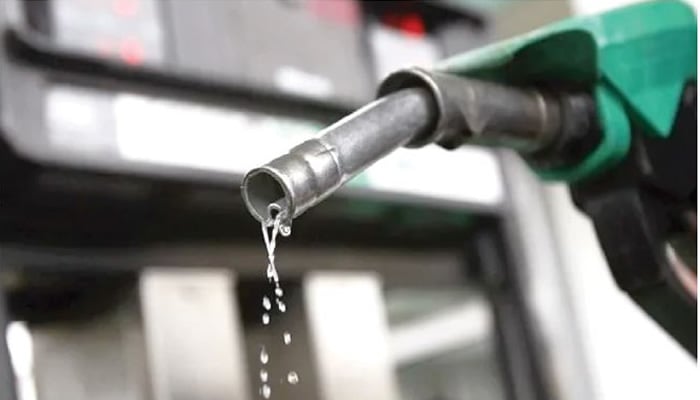
Calls for Crude Subsidy in Nigeria Amid Petrol Price Surge
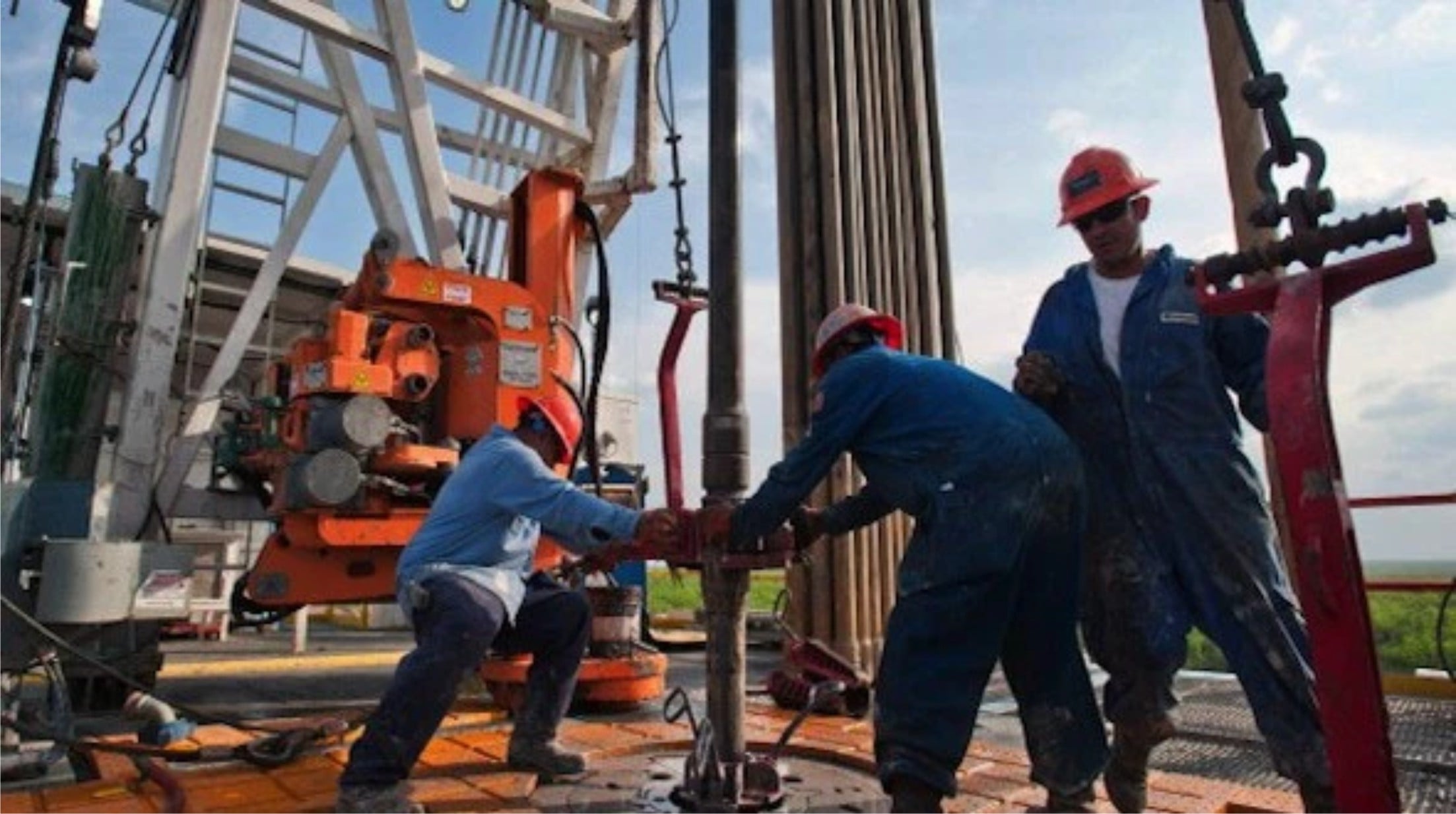
Nigeria's Crude Oil Export Earnings Drop by $5.31 Billion
Nigeria's Fuel Import Dependency Costs $15 Billion Annually
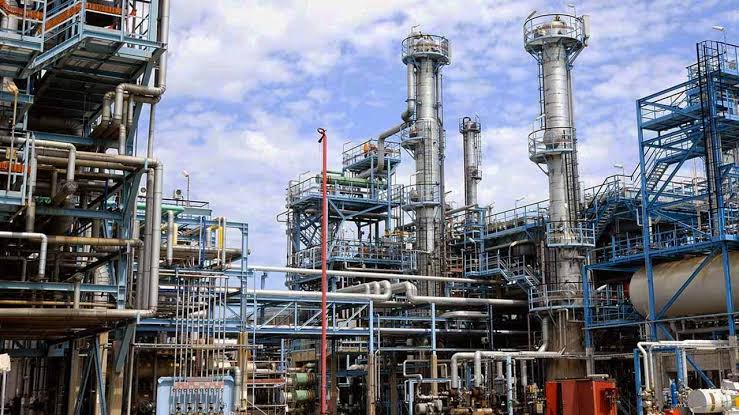
Rewane Proposes Refinery-Based Subsidy for Nigeria
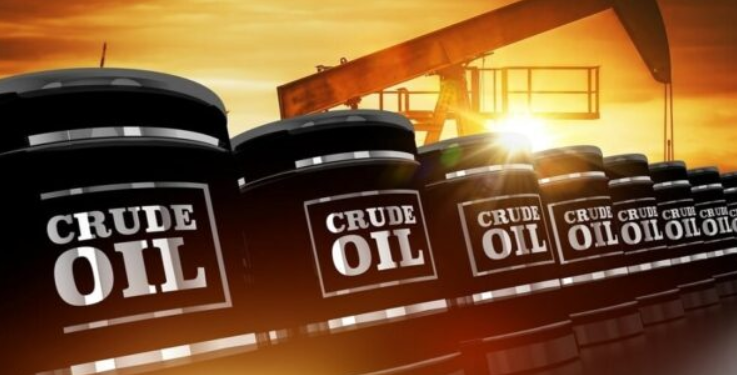
Nigeria's Crude Oil Exports Decline to $44 Billion

Nigeria's 2023 Fuel Subsidy Reforms and Economic Impact
Get Plus234Feed on messaging apps
Same headlines, delivered where you already scroll.


