

Geopolitical Dynamics of the Strait of Hormuz Explained

The article analyzes the geopolitical dynamics of the Strait of Hormuz, emphasizing its critical role in global energy transport and the implications for international law and diplomacy. It notes that the Strait, often lying within territorial waters, is a narrow chokepoint crucial for the passage of vessels carrying energy resources.
The article references the disregard for international law by major powers, particularly the United States and Israel, in their dealings with Iran, which claims sovereignty over the Strait. It discusses the historical context of maritime conventions, such as the Montreux Convention, which governs the passage of military vessels through the Turkish Straits.
The article also highlights the U.S. response to Iranian actions in the Strait and the implications for global energy security, particularly in light of China's involvement and the ongoing tensions in the region. The analysis underscores the need for Nigeria to navigate these complexities as it seeks to assert its interests in international relations.
Plus234Feed summary based on reporting from This Day. Read the original report below.
Read full article
Continue on This Day
Get the week in one email
Top stories, NPFL results, the naira — every Friday morning. Free, one email a week.
Related Stories
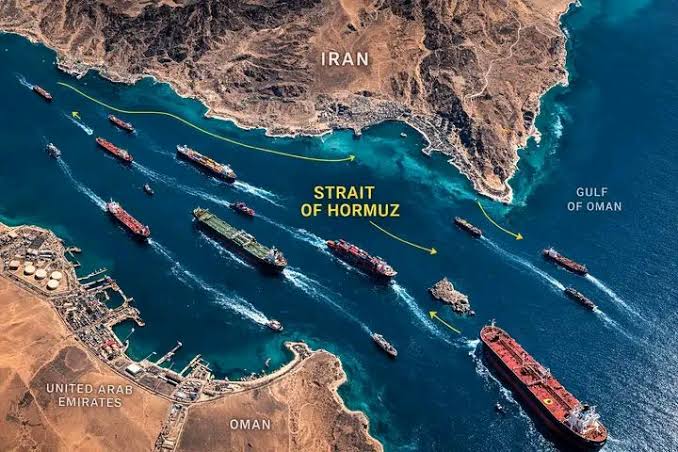
Nigeria Joins 39 Nations to Address Hormuz Strait Crisis
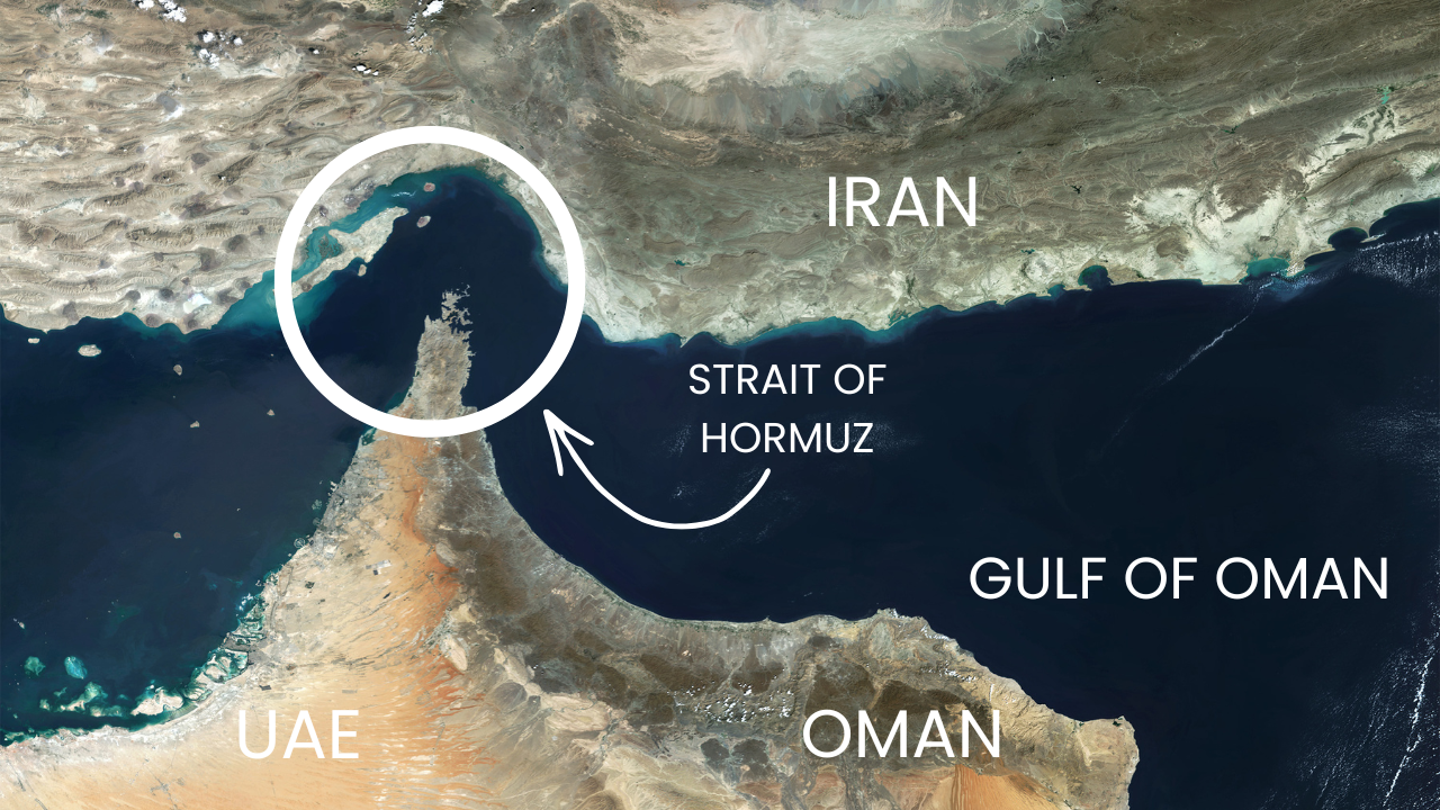
Strait of Hormuz Reopens Amid U.S.-Iran Ceasefire

Uncertainty Over Petrol Price Drop Amid Hormuz Tensions
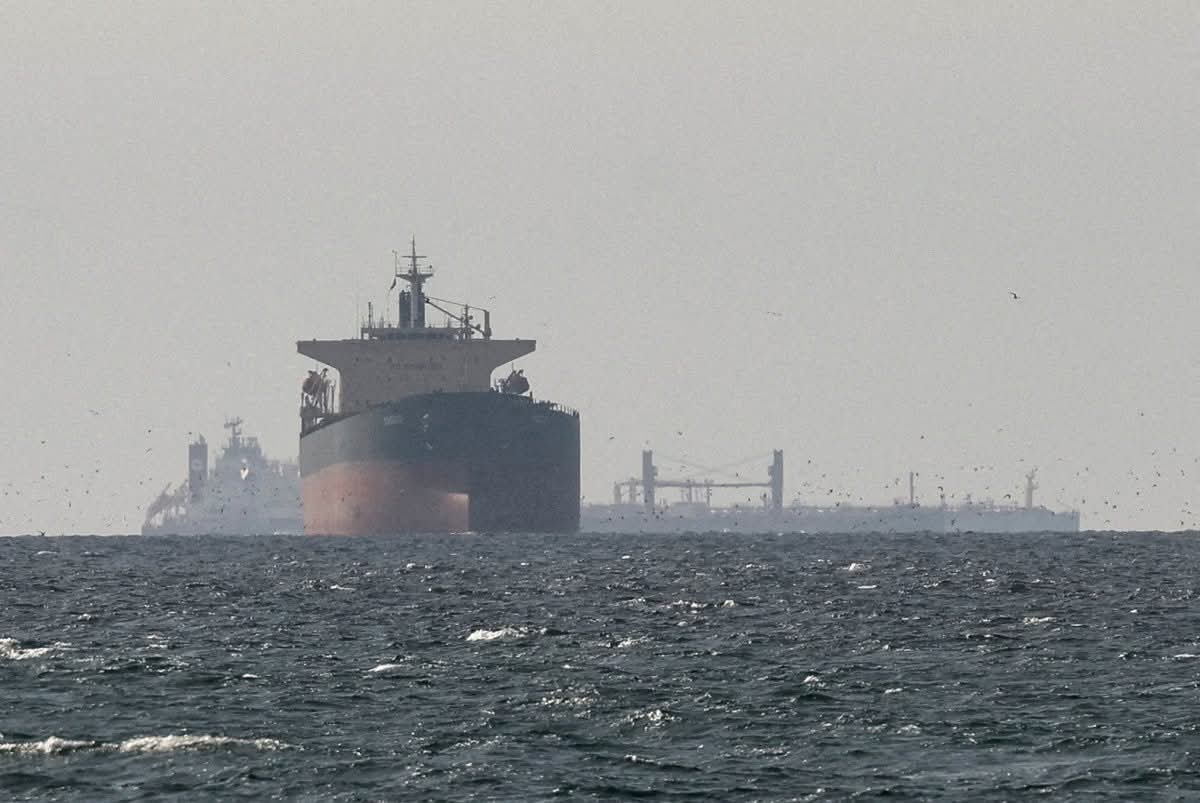
Uncertain Strait of Hormuz Impacts Global Fuel Prices

Iran's Strait of Hormuz Closure Affects Nigeria Petrol Prices
Iran Confirms Strait of Hormuz Open Amid Tensions
Get Plus234Feed on messaging apps
Same headlines, delivered where you already scroll.


