

Legal Faults in Electoral Act Threaten 2027 Elections

The Electoral Act 2026 is under scrutiny as Nigeria approaches the 2027 elections, with concerns about its ability to ensure credible and transparent electoral processes. President Bola Tinubu assented to the amendments on February 19, 2026, but critics argue that the Act does not adequately address recurring issues such as election timelines, technology use, voter identification, and result management.
The Act's provisions, particularly regarding the electronic transmission of results, are seen as insufficient, with legal fault lines that could enable manipulation and malpractice. Specific sections, including 60(3), 63(2), 65, 77, 137(3), and 138(2), reveal inconsistencies that could undermine public trust.
The absence of explicit legal hierarchy between electronic and manual result collations may lead to conflicts and prolonged litigation. Critics warn that sections allowing INEC to review declarations and count ballots without official marks could facilitate widespread electoral fraud.
The growing calls for amendments highlight the urgent need to address these legal ambiguities to safeguard the electoral process.
Plus234Feed summary based on reporting from This Day. Read the original report below.
Read full article
Continue on This Day
Get the week in one email
Top stories, NPFL results, the naira — every Friday morning. Free, one email a week.
Related Stories

Concerns Raised Over 2026 Electoral Act's Impact on 2027 Elections
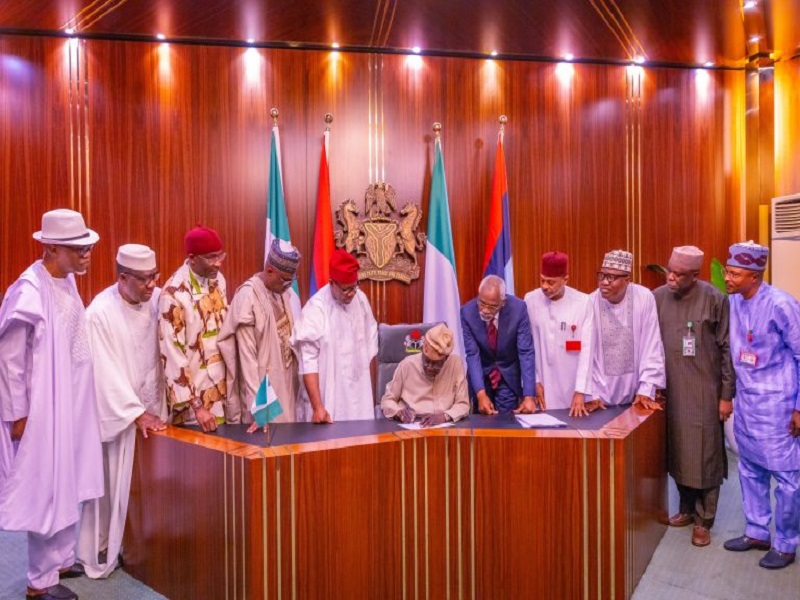
Controversy Surrounds Nigeria's New Electoral Act of 2026

Ex-INEC Commissioner Calls 2026 Electoral Act a Tragedy

Bamidele: No Electoral Act Amendments Before 2027

Senate Approves 2026 Electoral Act Amendment Bill

Stakeholders Demand Electoral Reform for Credible Elections
Get Plus234Feed on messaging apps
Same headlines, delivered where you already scroll.


