

Lessons from Tupac Shakur's Murder Case for Nigeria

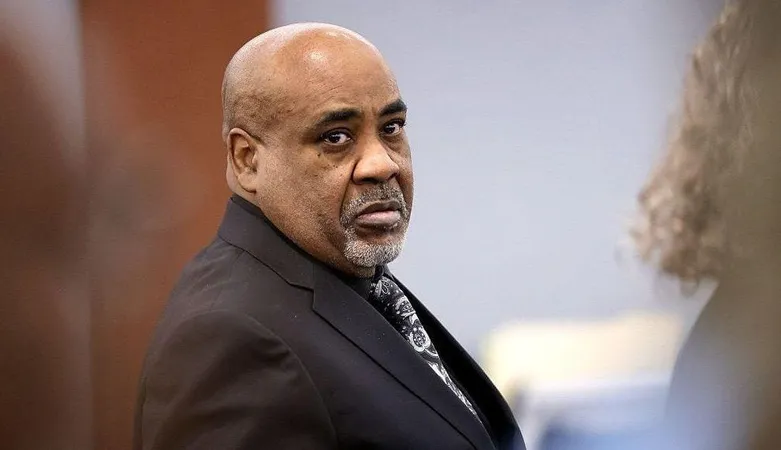
The trial of Duane “Keffe D” Davis, a former gang leader, has commenced in Las Vegas nearly 30 years after the murder of rapper Tupac Shakur, who was shot on September 7, 1996, and died six days later. Davis, who has pleaded not guilty, is accused of being involved in the events surrounding Shakur's death and could face life imprisonment if convicted.
The case has reignited discussions about the unresolved murder cases in Nigeria, where many high-profile killings remain unsolved due to weak investigative capacities, lack of forensic evidence, and political interference. Notable unresolved cases include the assassination of Chief Bola Ige, a former Attorney of the Federation and Minister of Justice, on December 23, 2001, and Aminosari Dikibo, a PDP National Vice-Chairman, in February 2004.
The contrast between the U.S. and Nigeria in handling murder cases underscores the ongoing grief and uncertainty faced by families of victims in Nigeria.
Plus234Feed summary based on reporting from This Day. Read the original report below.
Read full article
Continue on This Day
Get the week in one email
Top stories, NPFL results, the naira, every Friday morning. Free, one email a week.
Related Stories
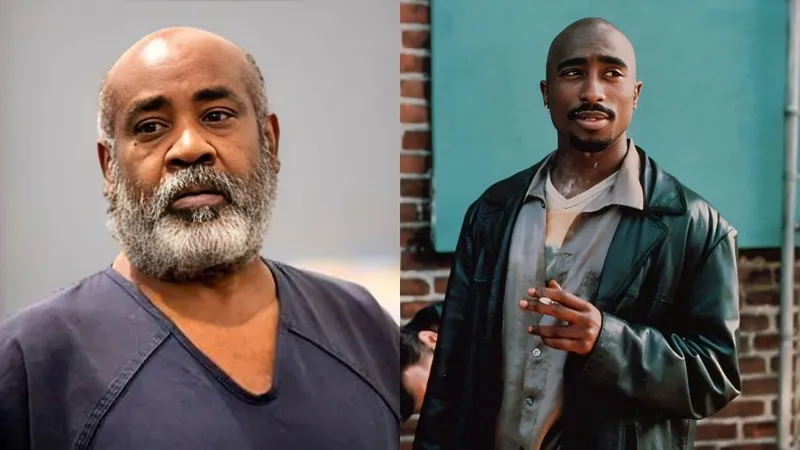
Duane ‘Keffe D’ Davis Convicted in Tupac Murder Case
Duane "Keffe D" Davis on Trial for Tupac Shakur Murder
Jury Selection Begins for Tupac Murder Trial in Las Vegas
Duane “Keffe D” Davis to Stand Trial for Tupac Murder
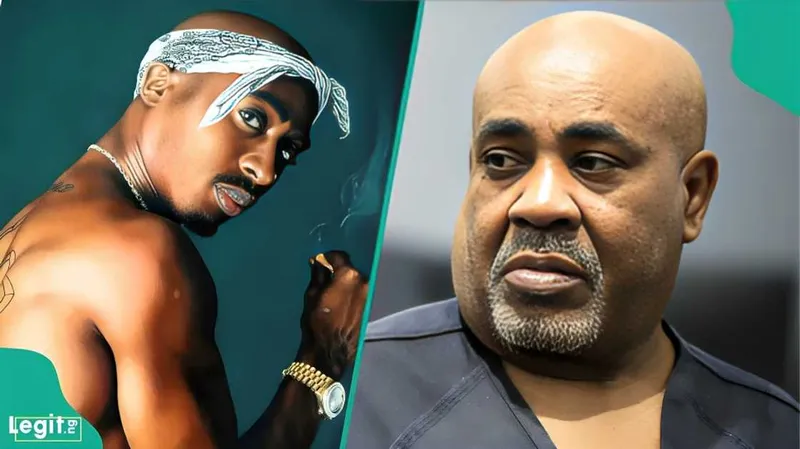
Duane Davis Found Guilty in Tupac Shakur Murder Case
Keffe D Found Guilty of Tupac Shakur's Murder
Get Plus234Feed on messaging apps
Same headlines, delivered where you already scroll.